Two full days spent in Alabama and we probably didn’t even scratch the surface of what we could of seen. However, we did get to a lot of highlights, learned a lot, and left with a lot to think about!
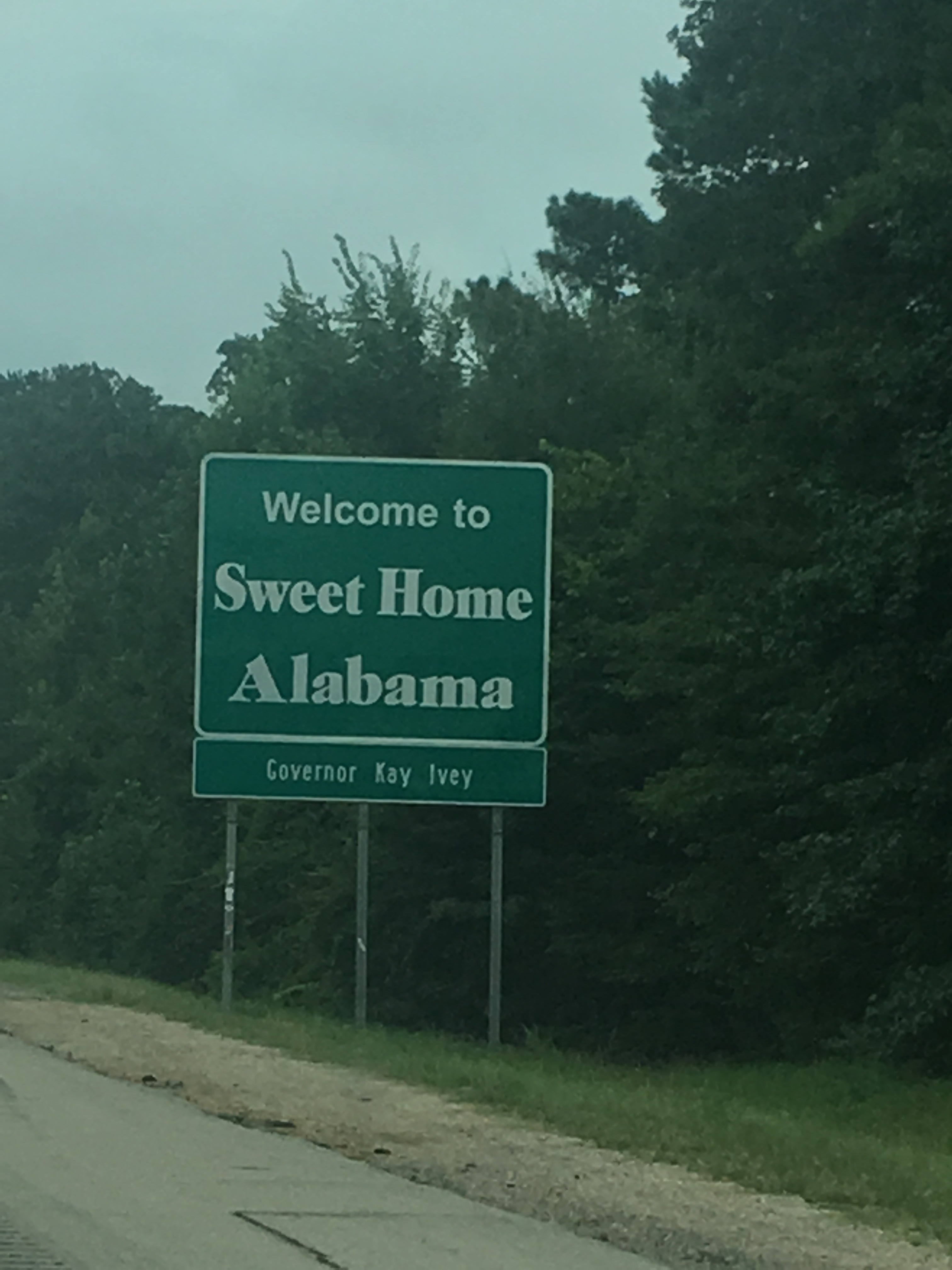
Our order of stops went as such: Birmingham, Selma, Tent City, Montgomery, and Tuskegee. We tried to fit in as many museums and sites as we could. While we ate at a really good buffet in Montgomery called “Martha’s place” we hardly had any time to eat anything more than fast food!
Our first stop was in Birmingham at the Civil Rights Institute. Since it was closed on Mondays we went to it first thing Tuesday morning. The museum was fantastic and touched on so many aspects of the movement. They had high school students from a local leadership program giving tours and it was great to see youth involved.
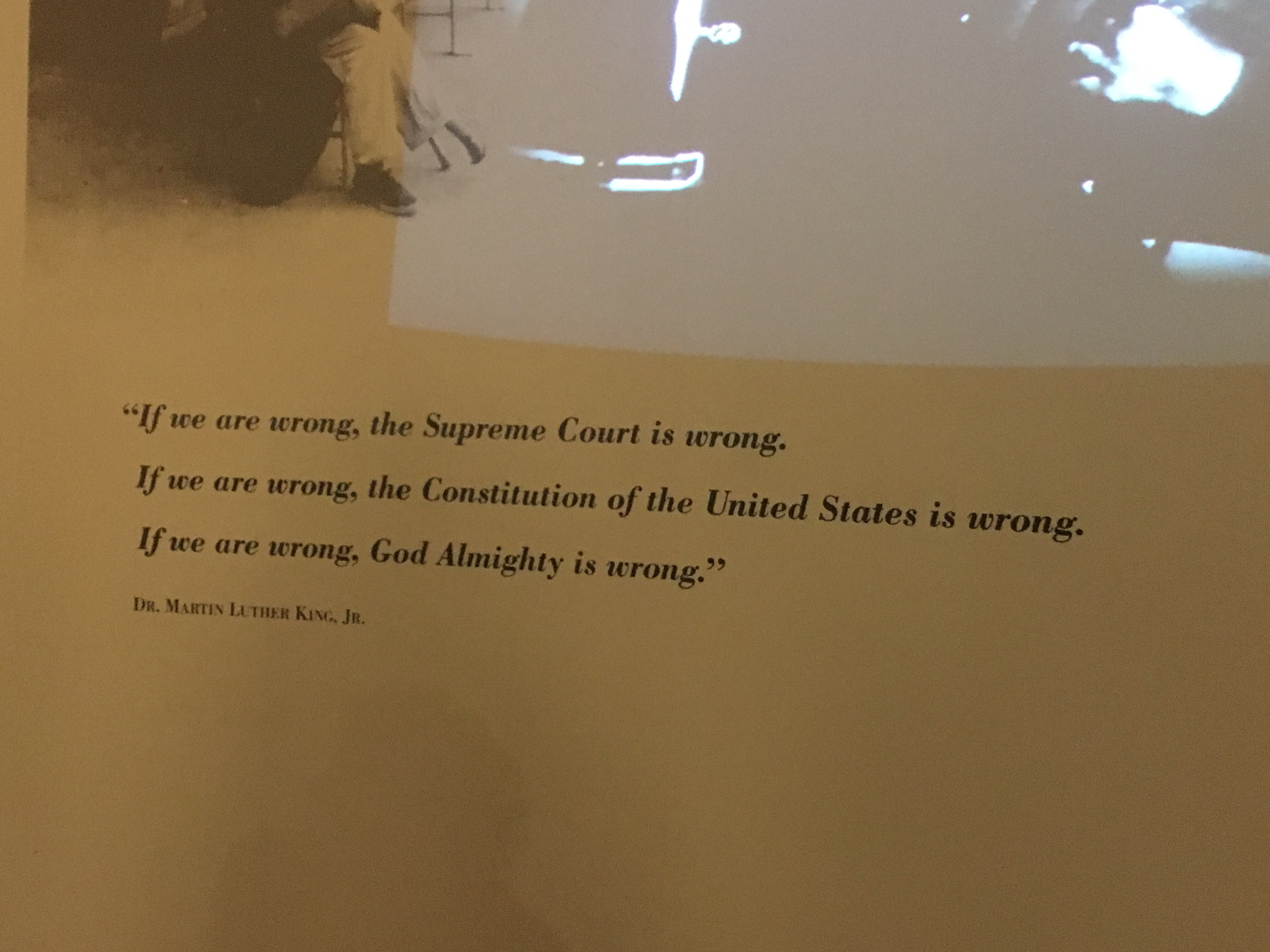
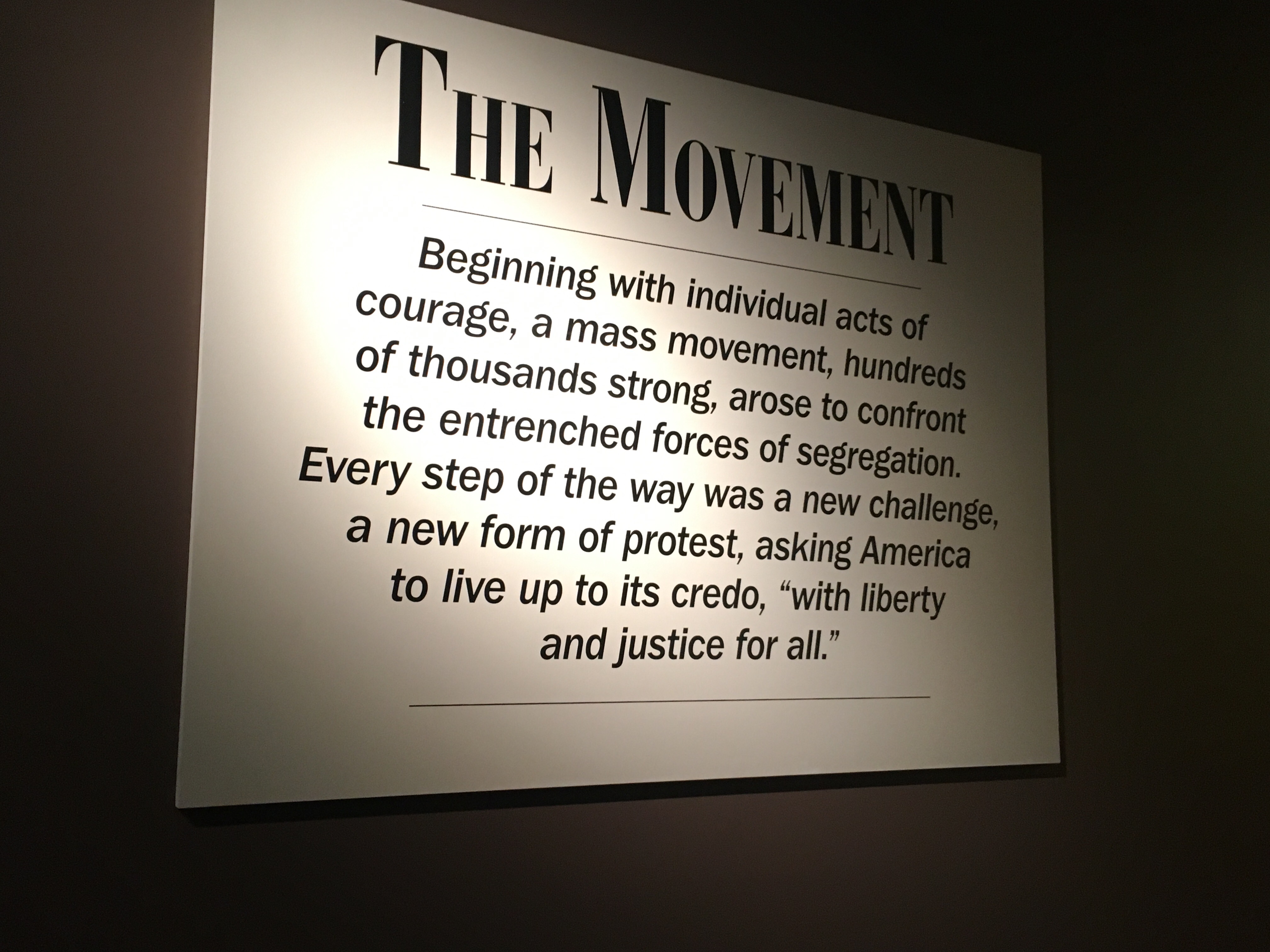
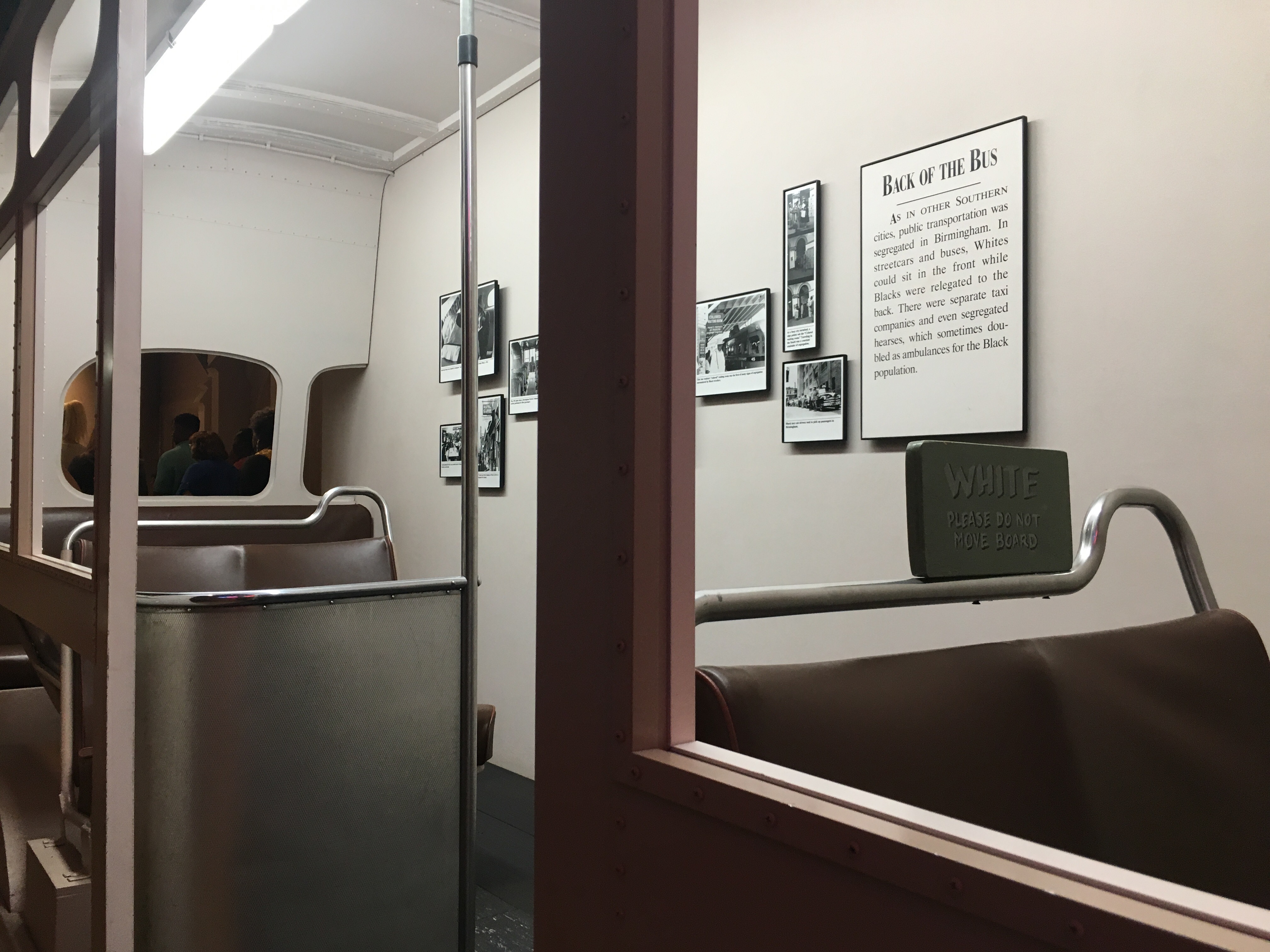
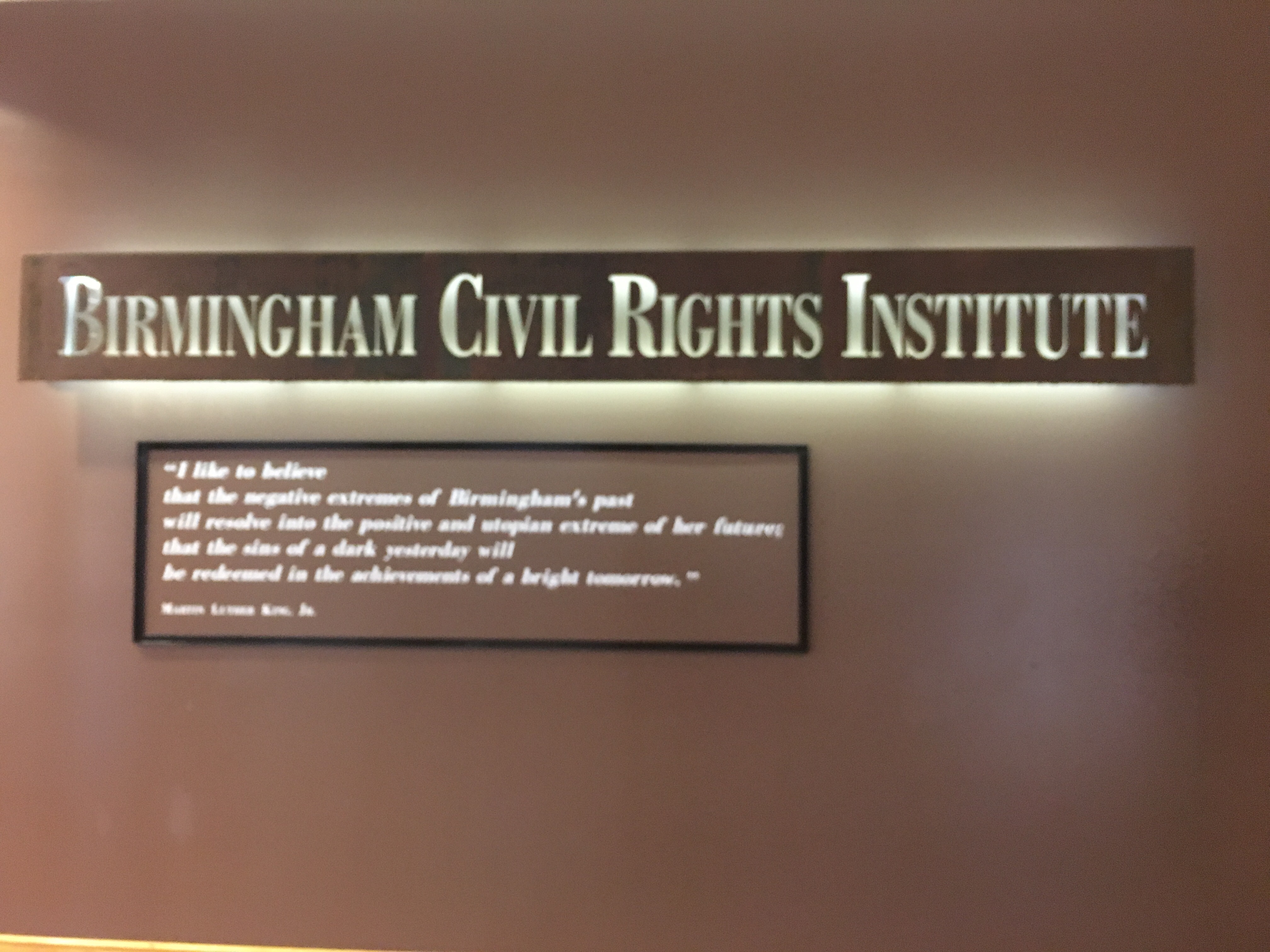
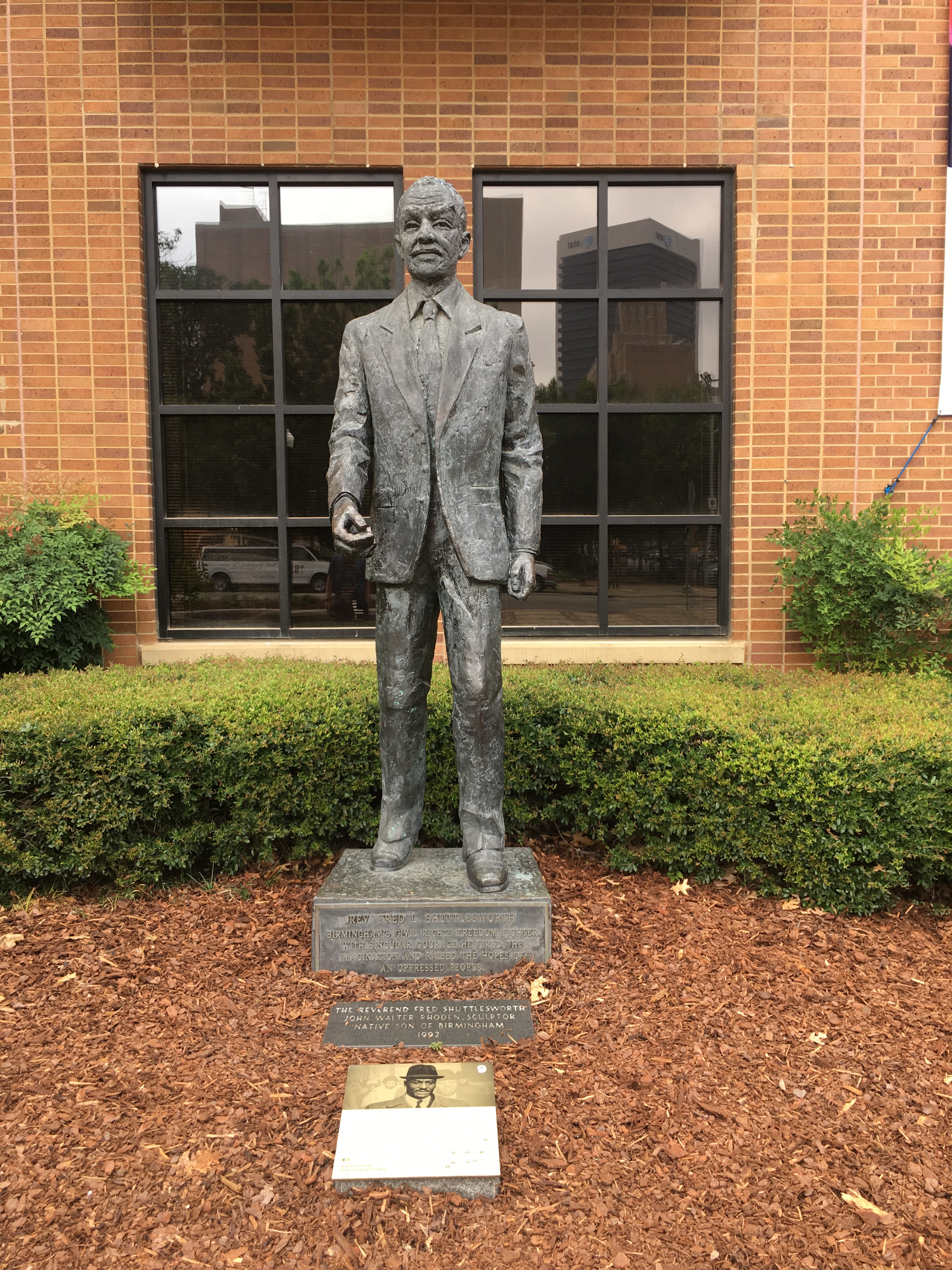
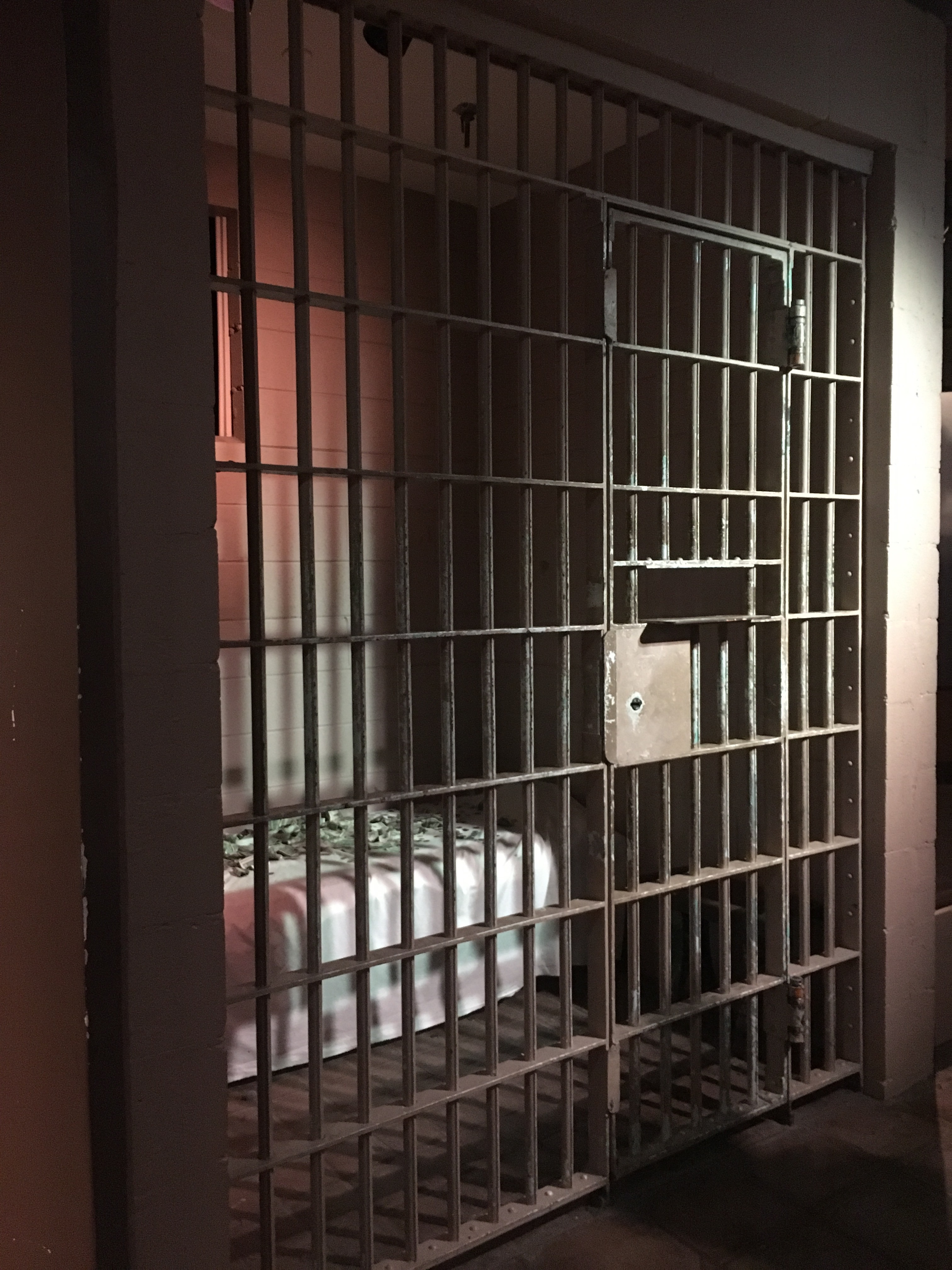
One artifact highlight was a portion of the jail cell from which Dr. Martin Luther King, Jr. wrote his Letter from a Birmingham Jail.
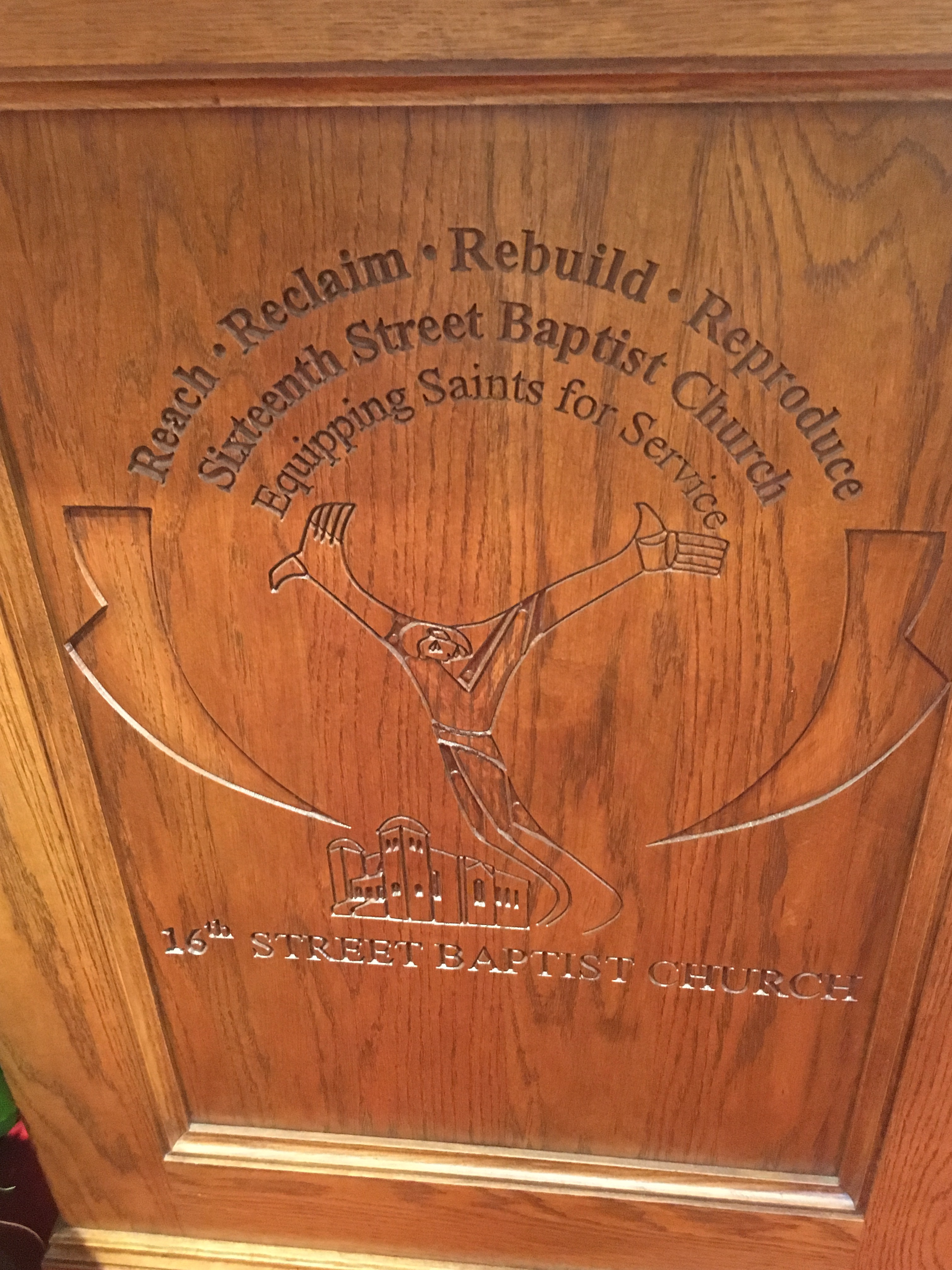
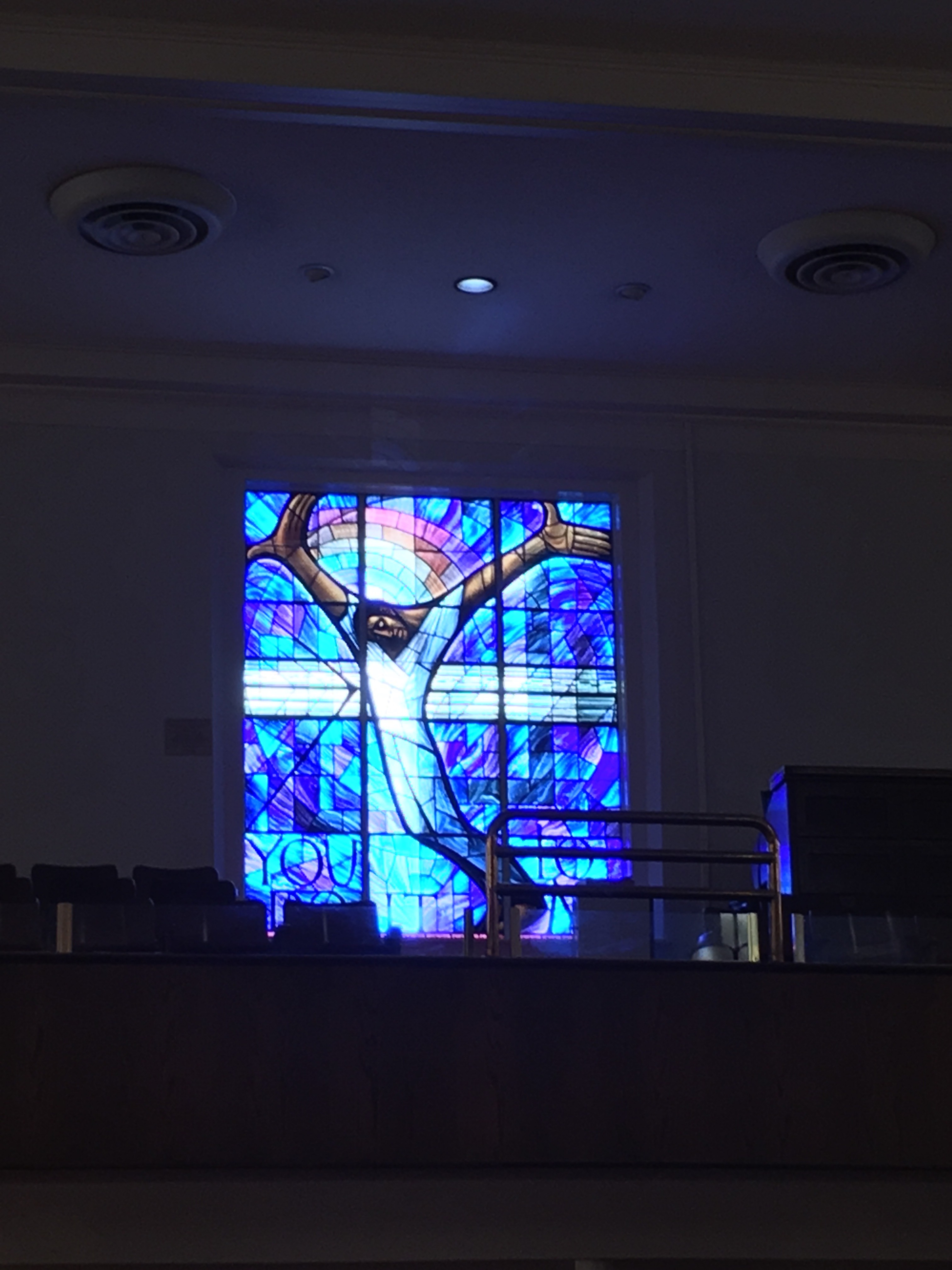
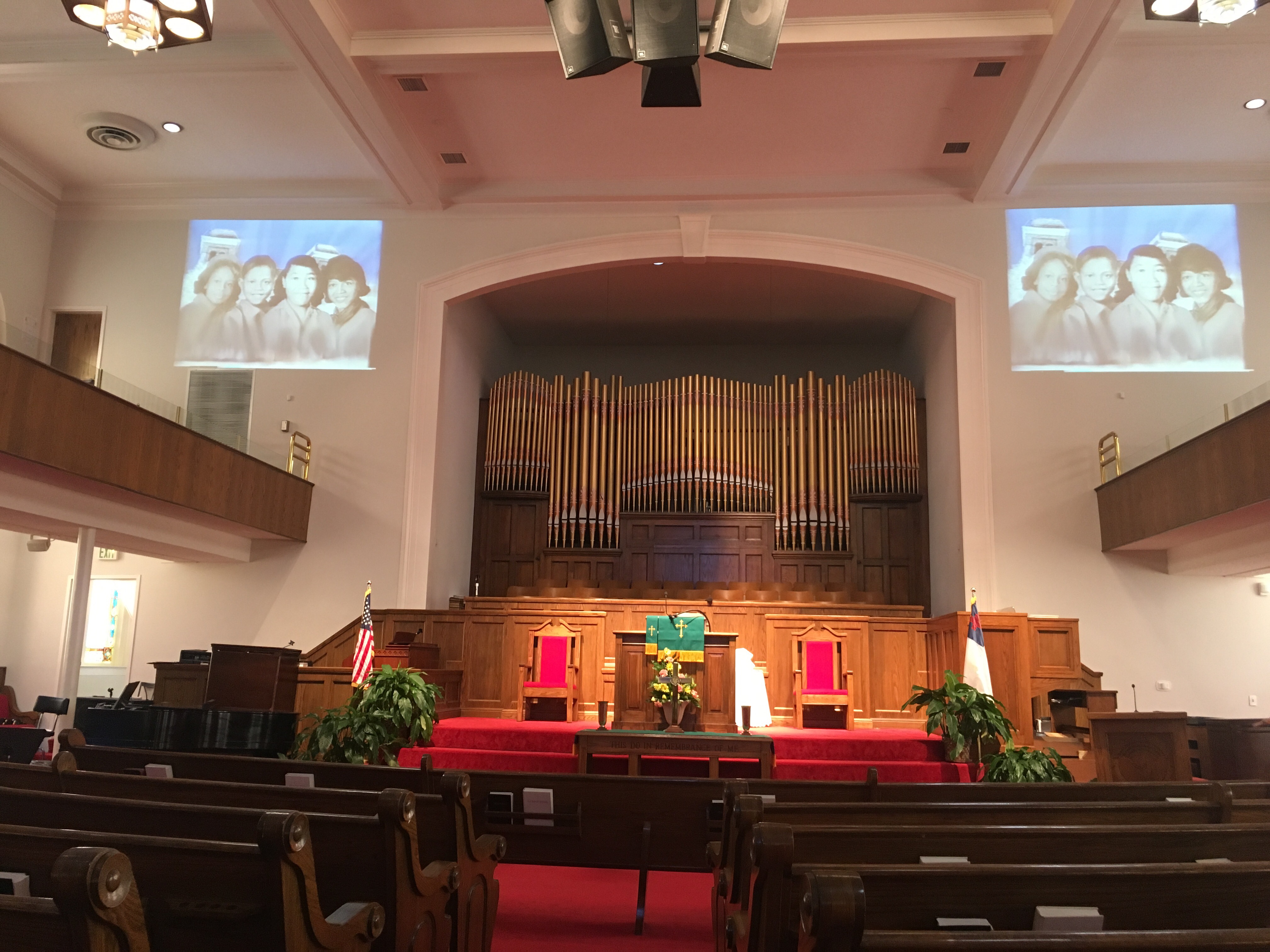
Adjacent to the Civil Rights center is the 16th street Baptist church. In 1963, four little girls will killed when a Klansman bombed the building. The church was repaired and is still has a thriving congregation today. We were able to go inside with a small museum in the basement and then tour the upstairs sanctuary.
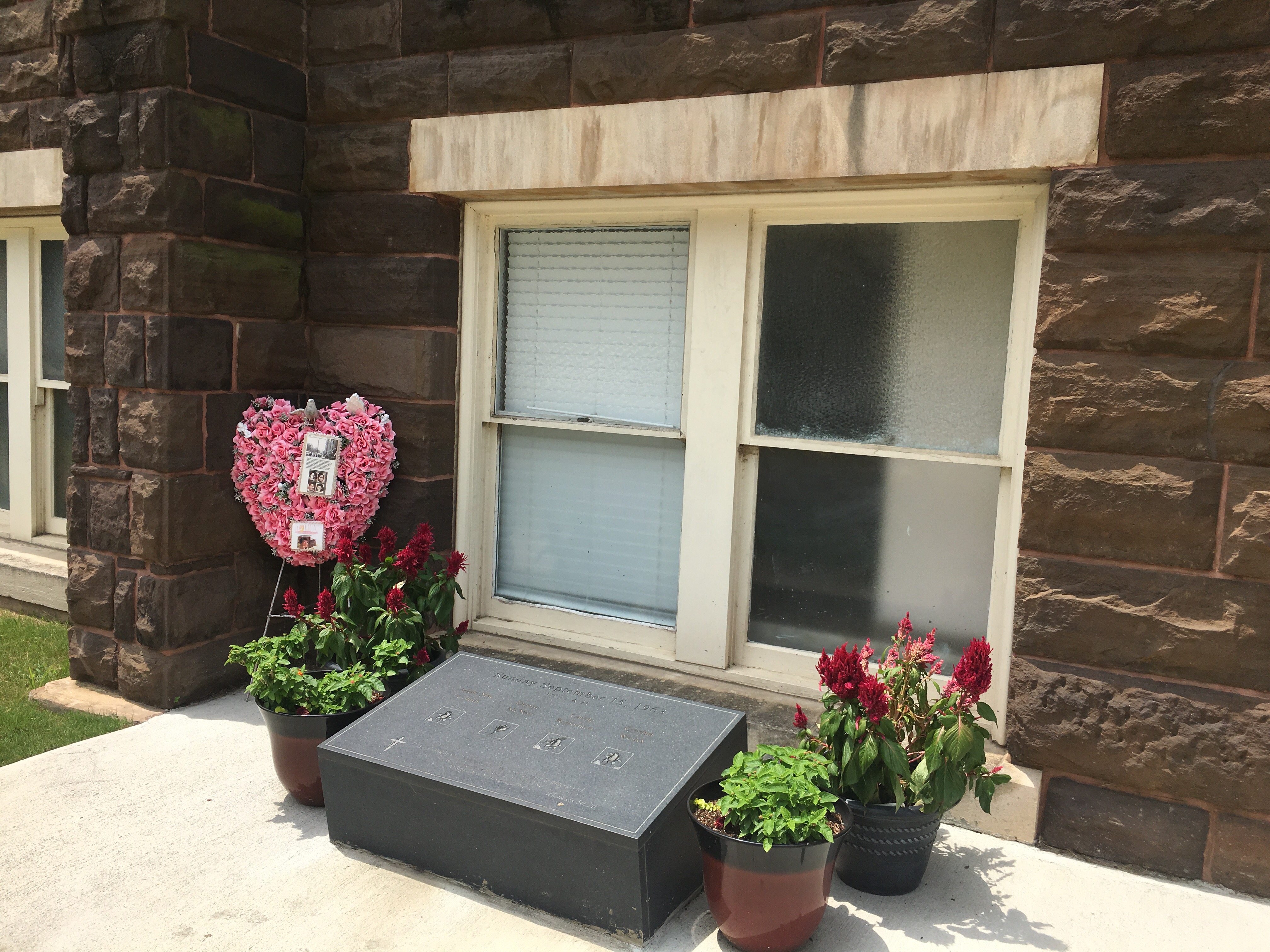
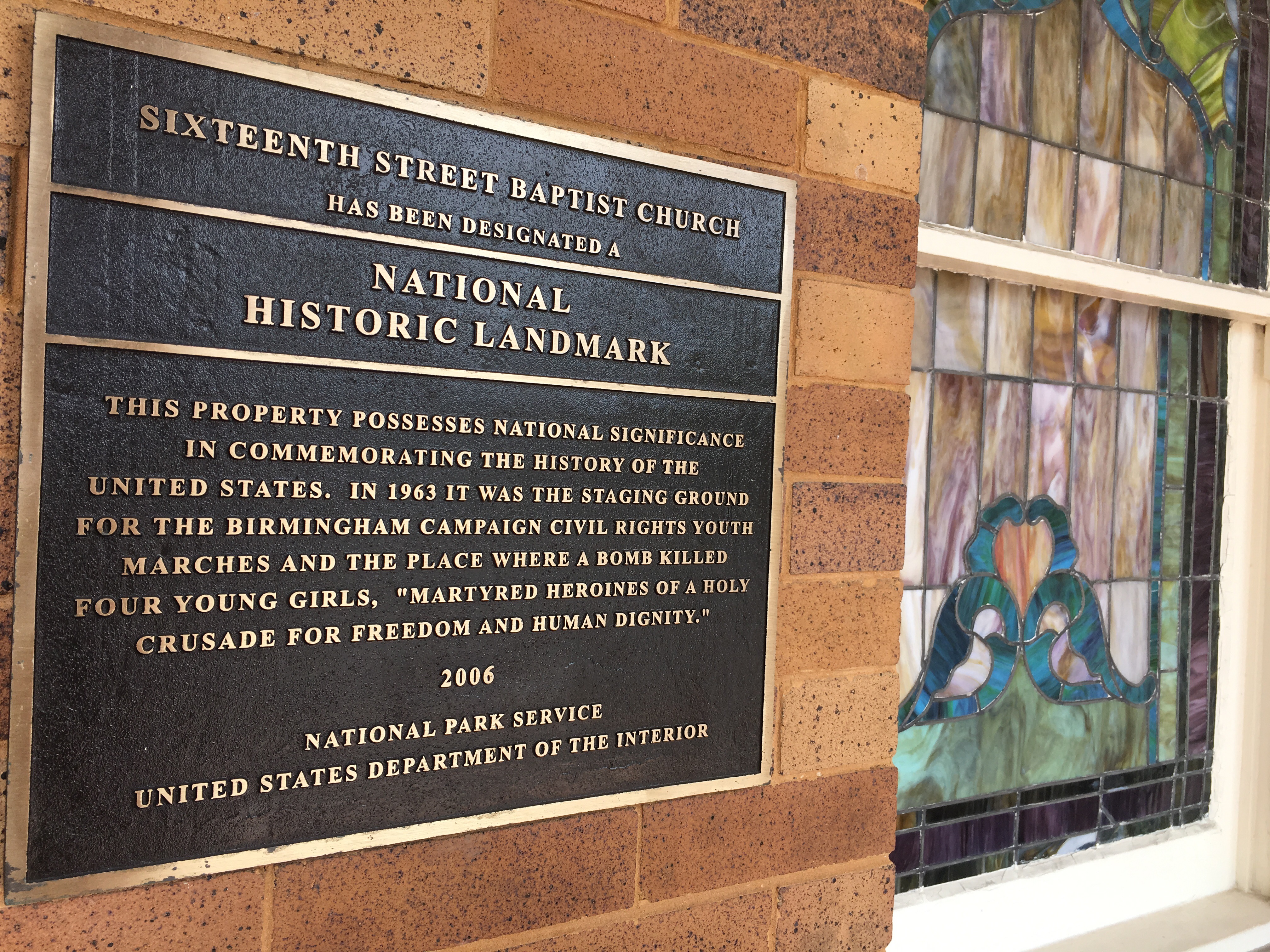
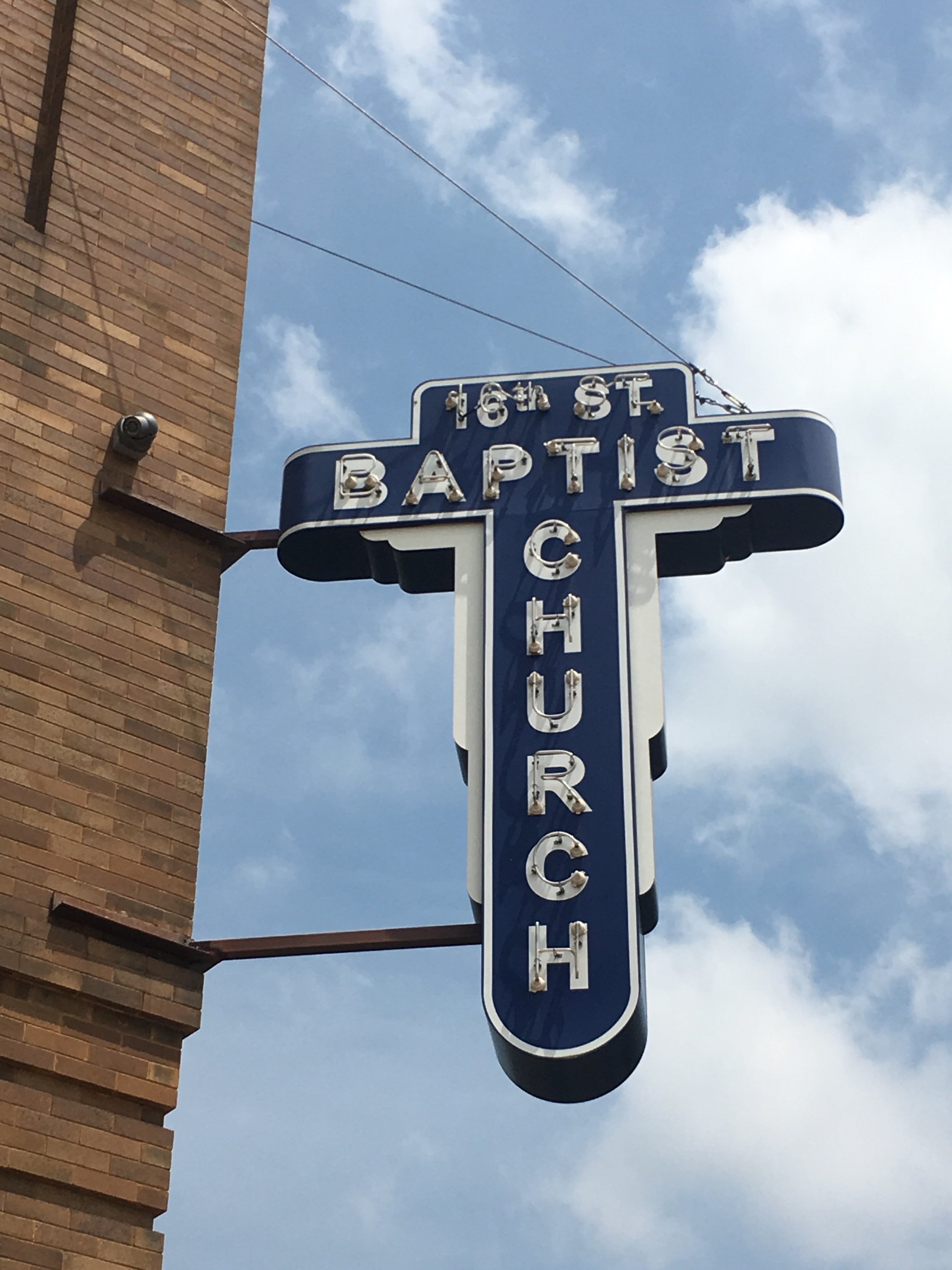
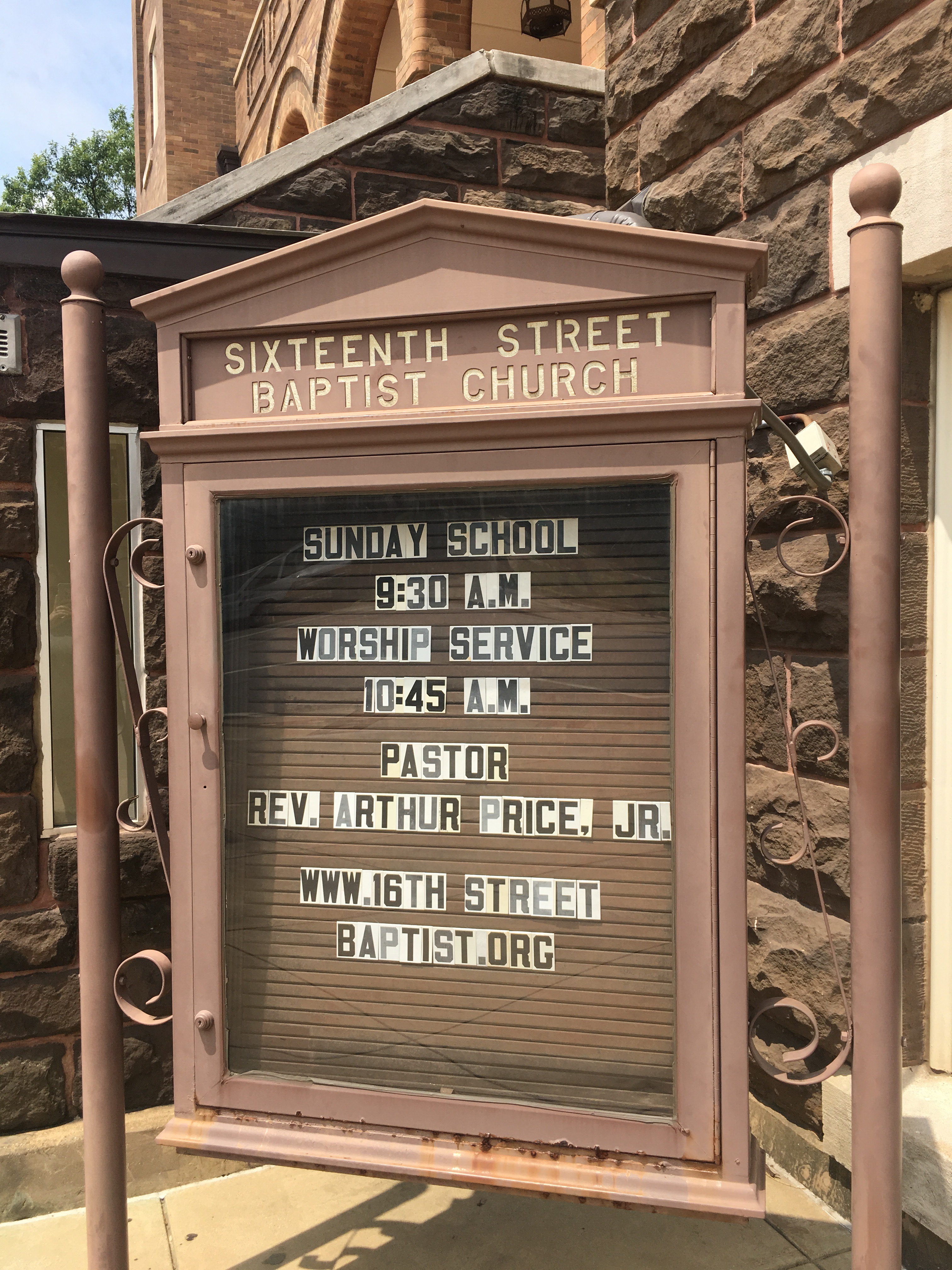
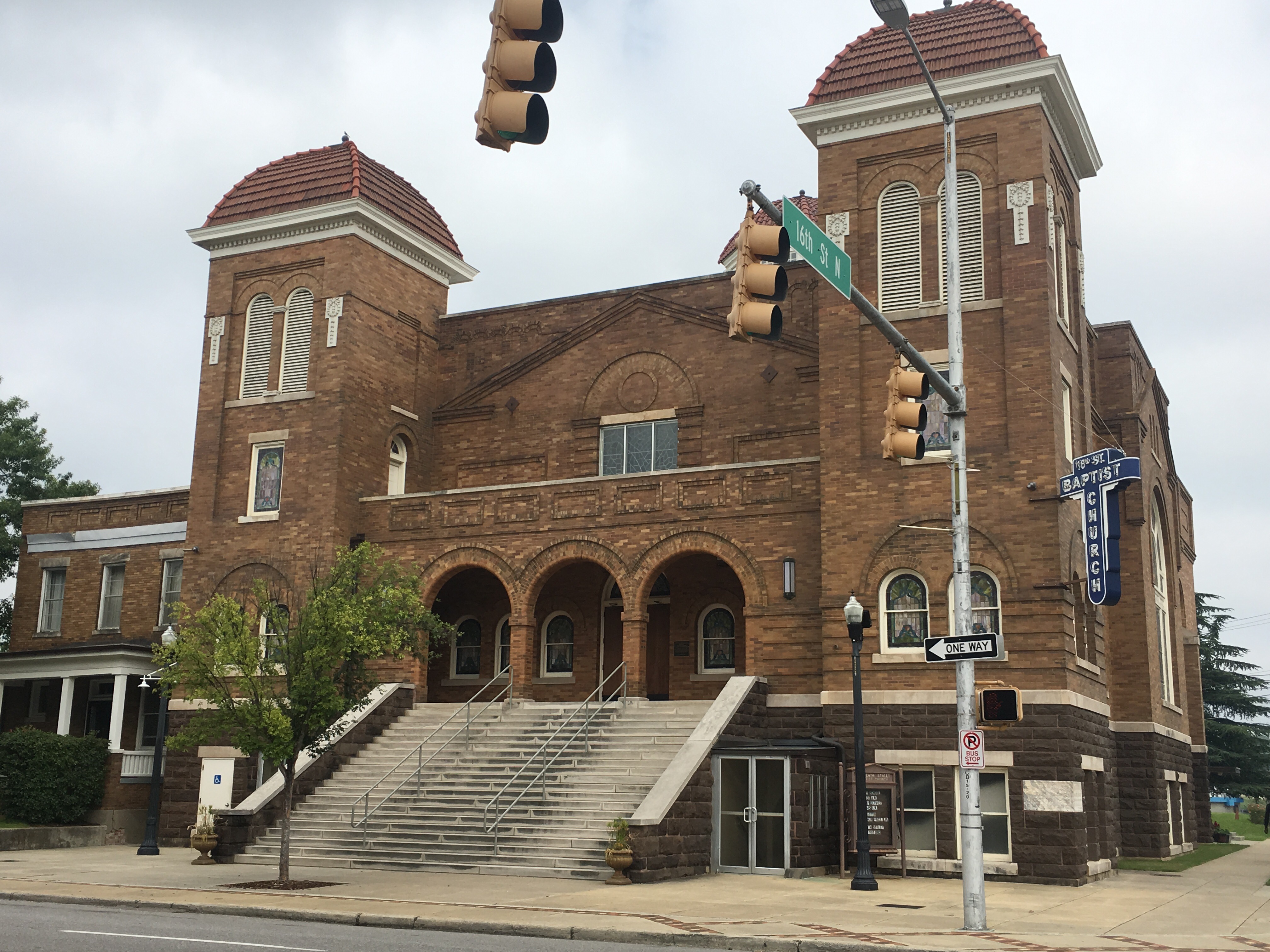
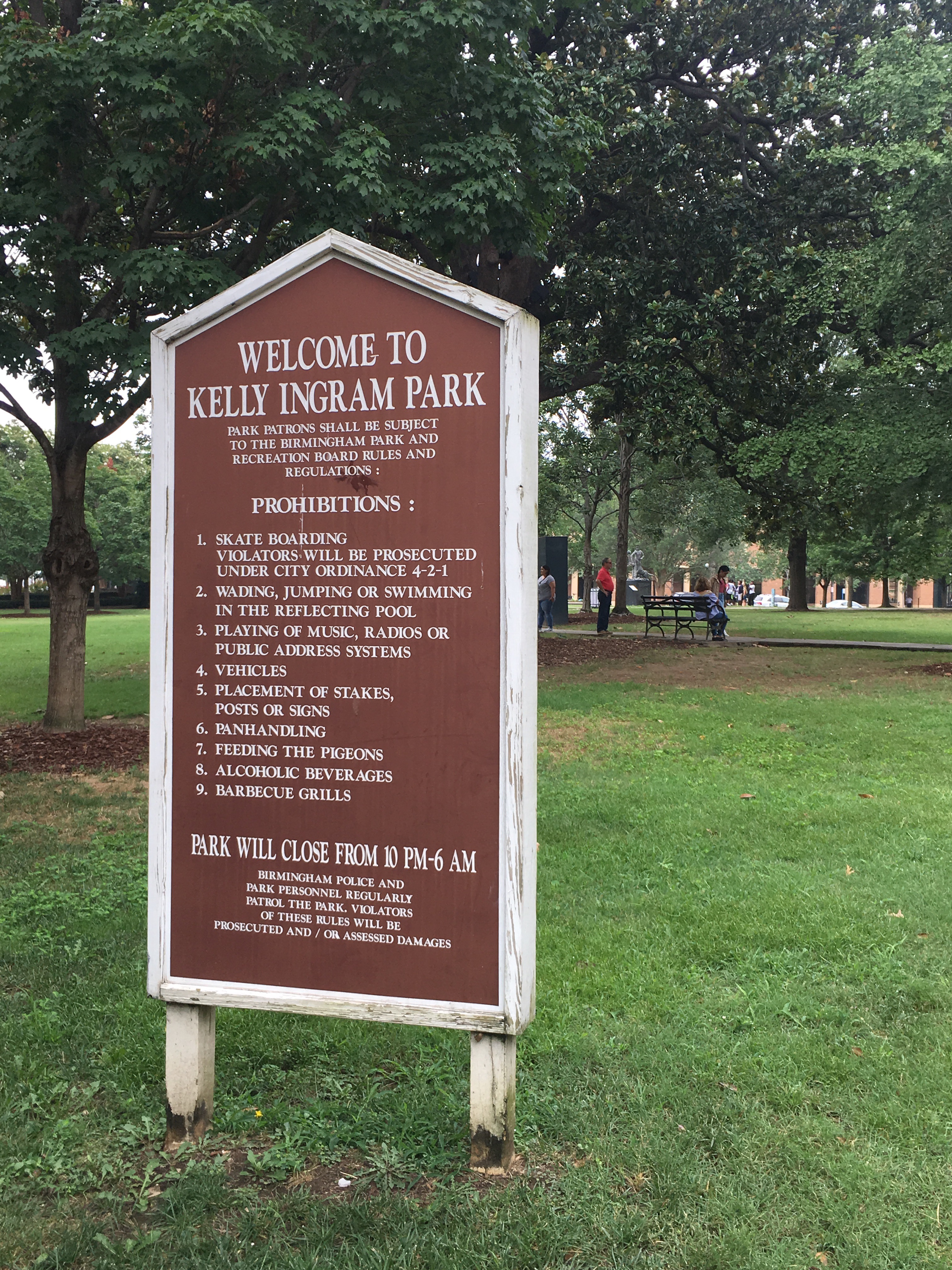
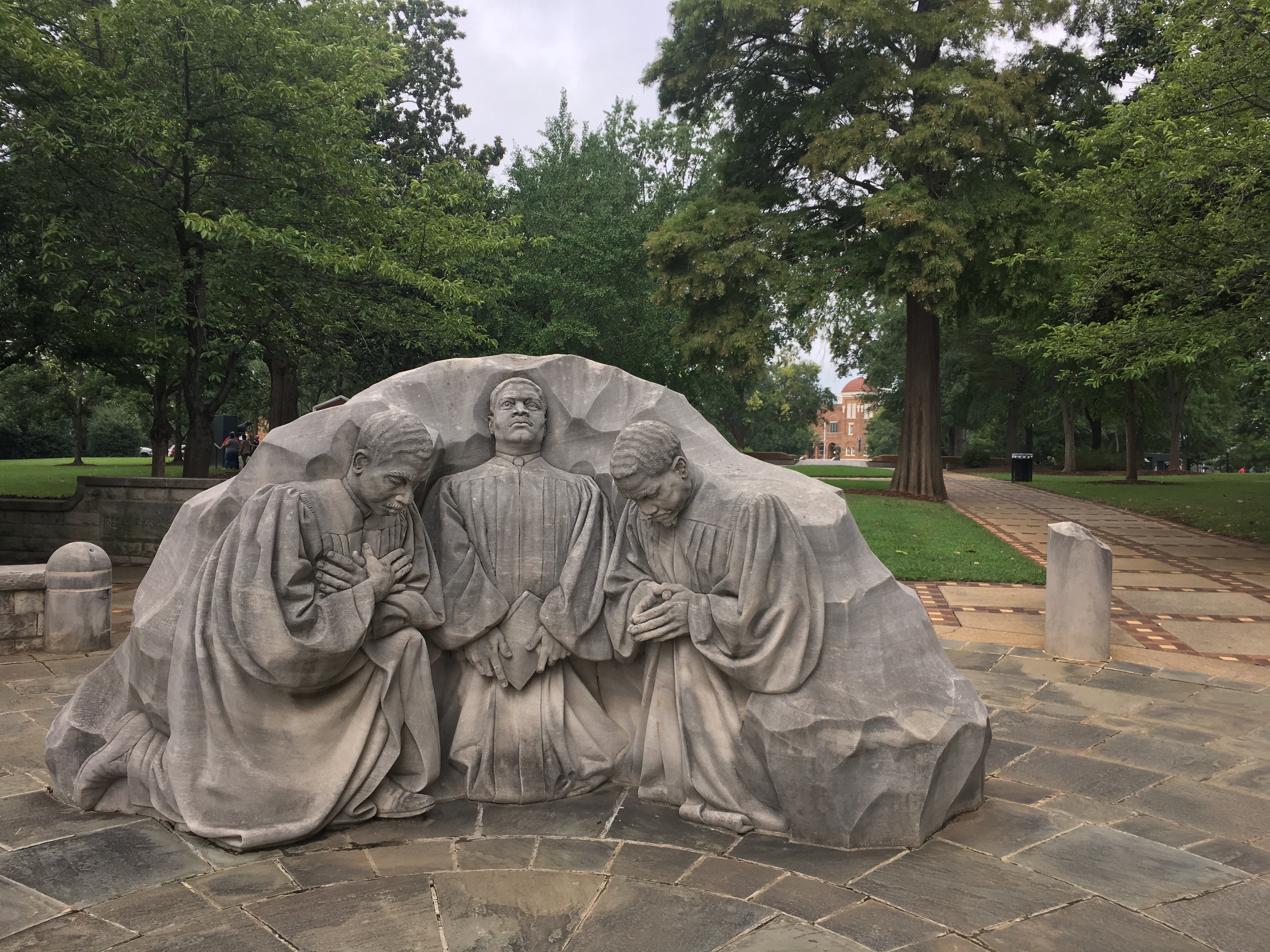
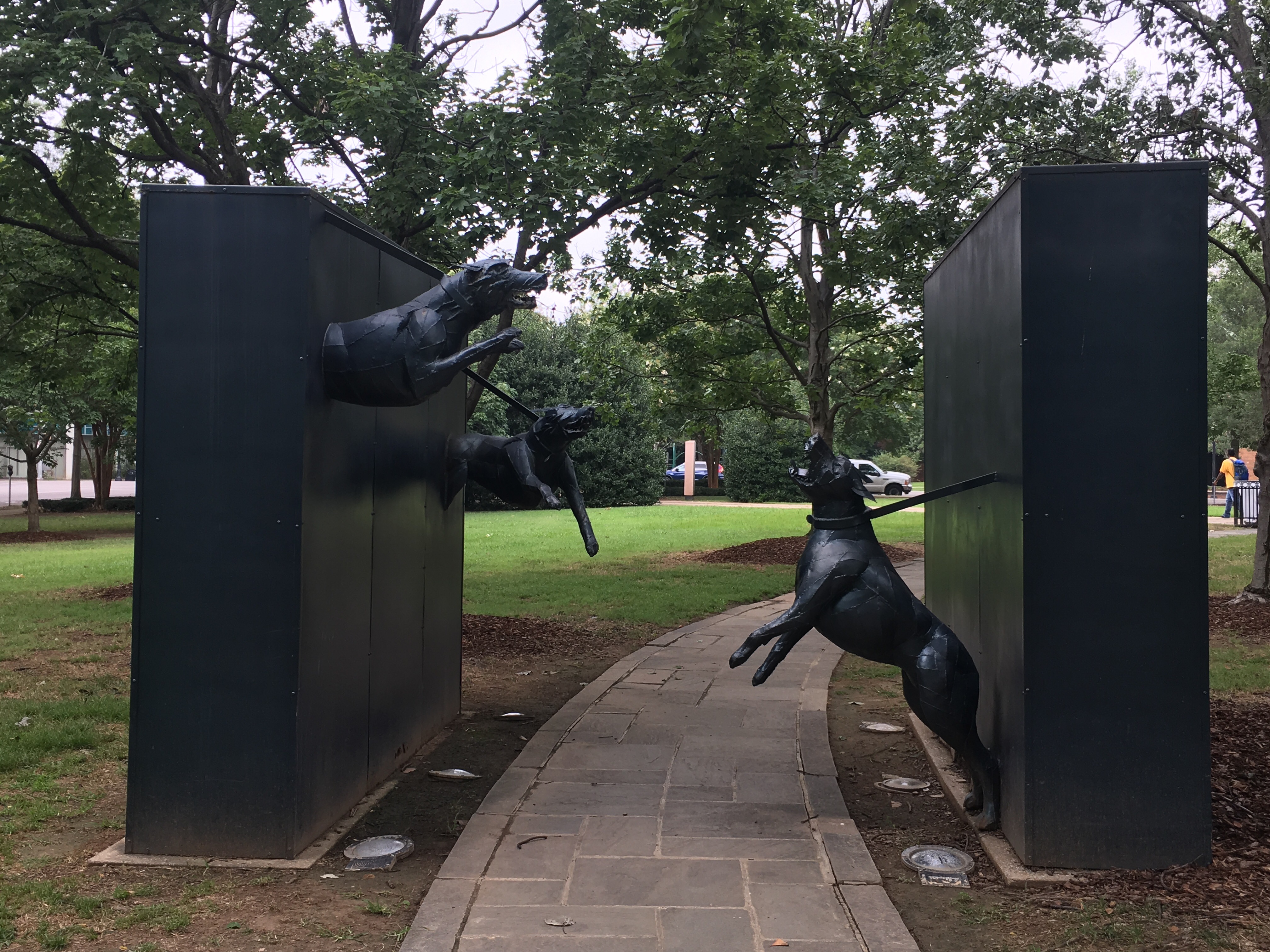
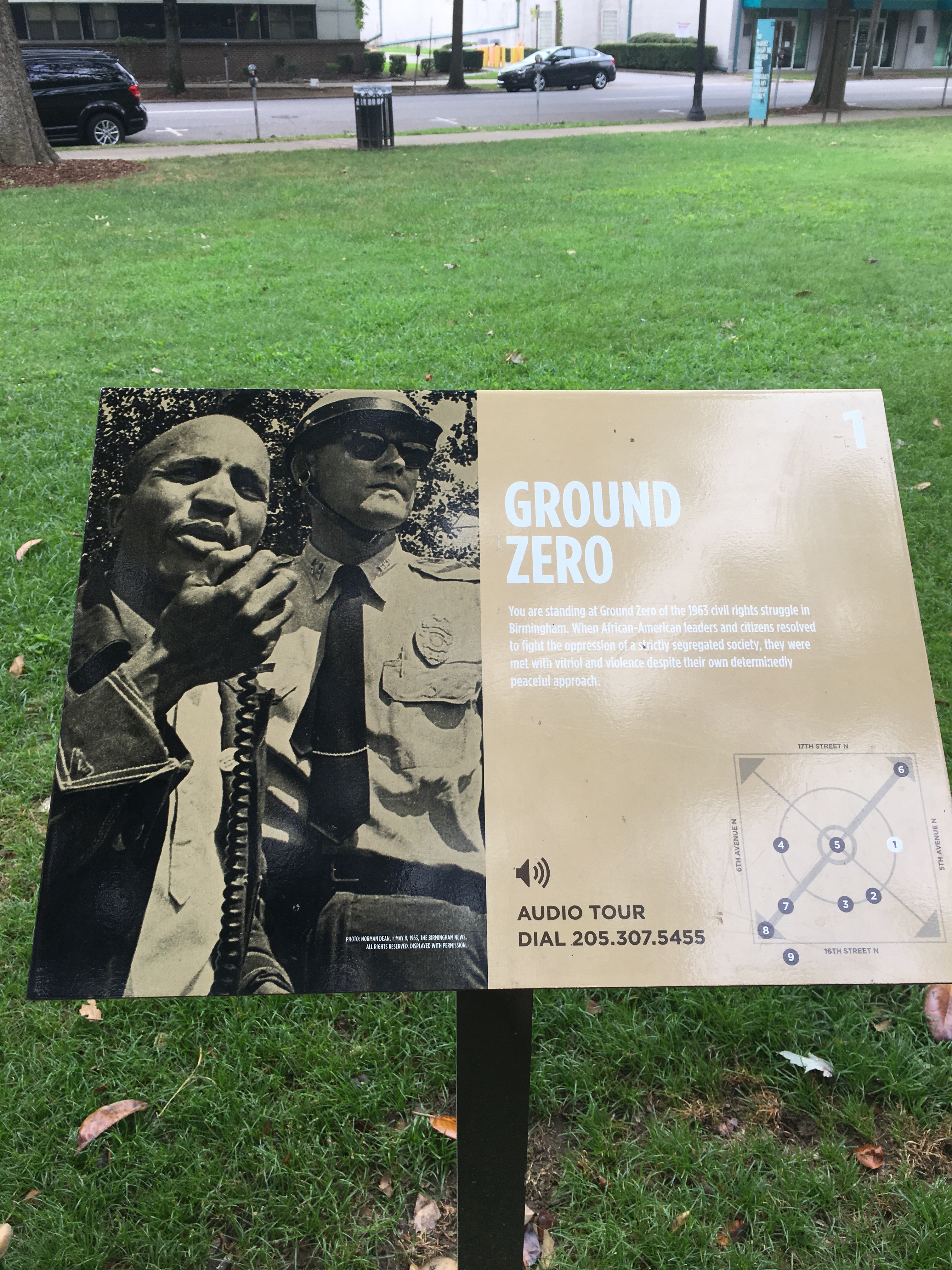
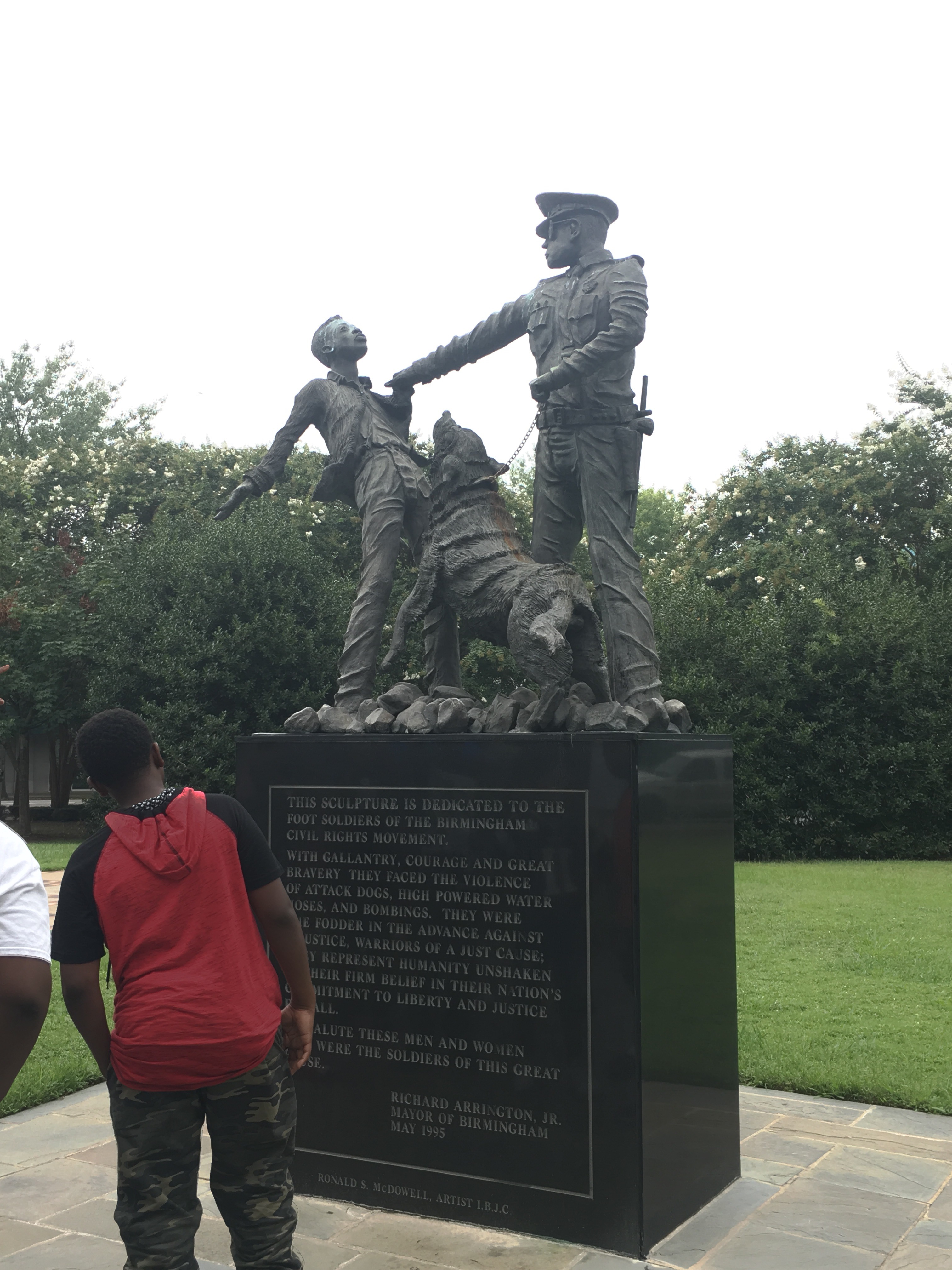
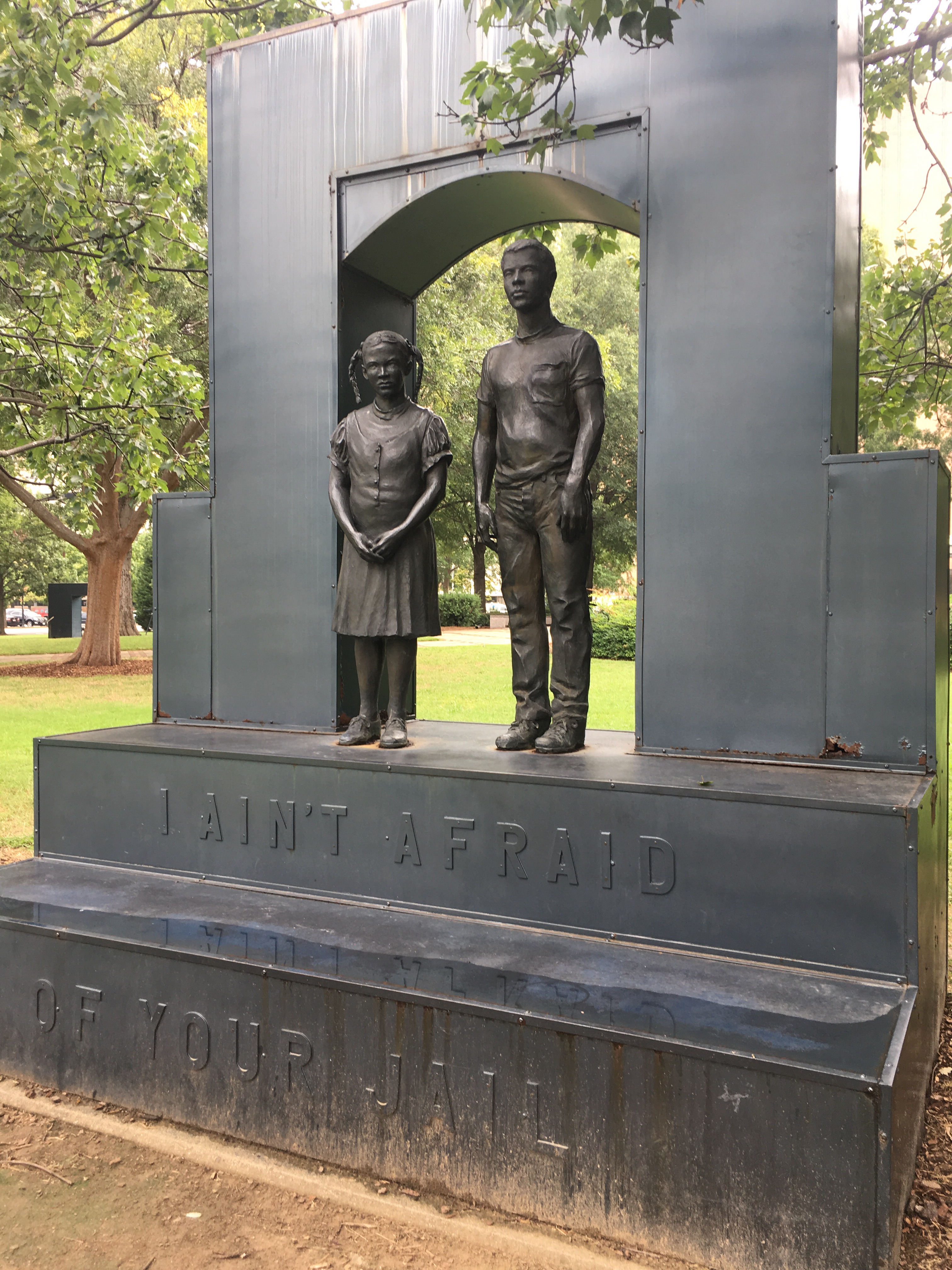
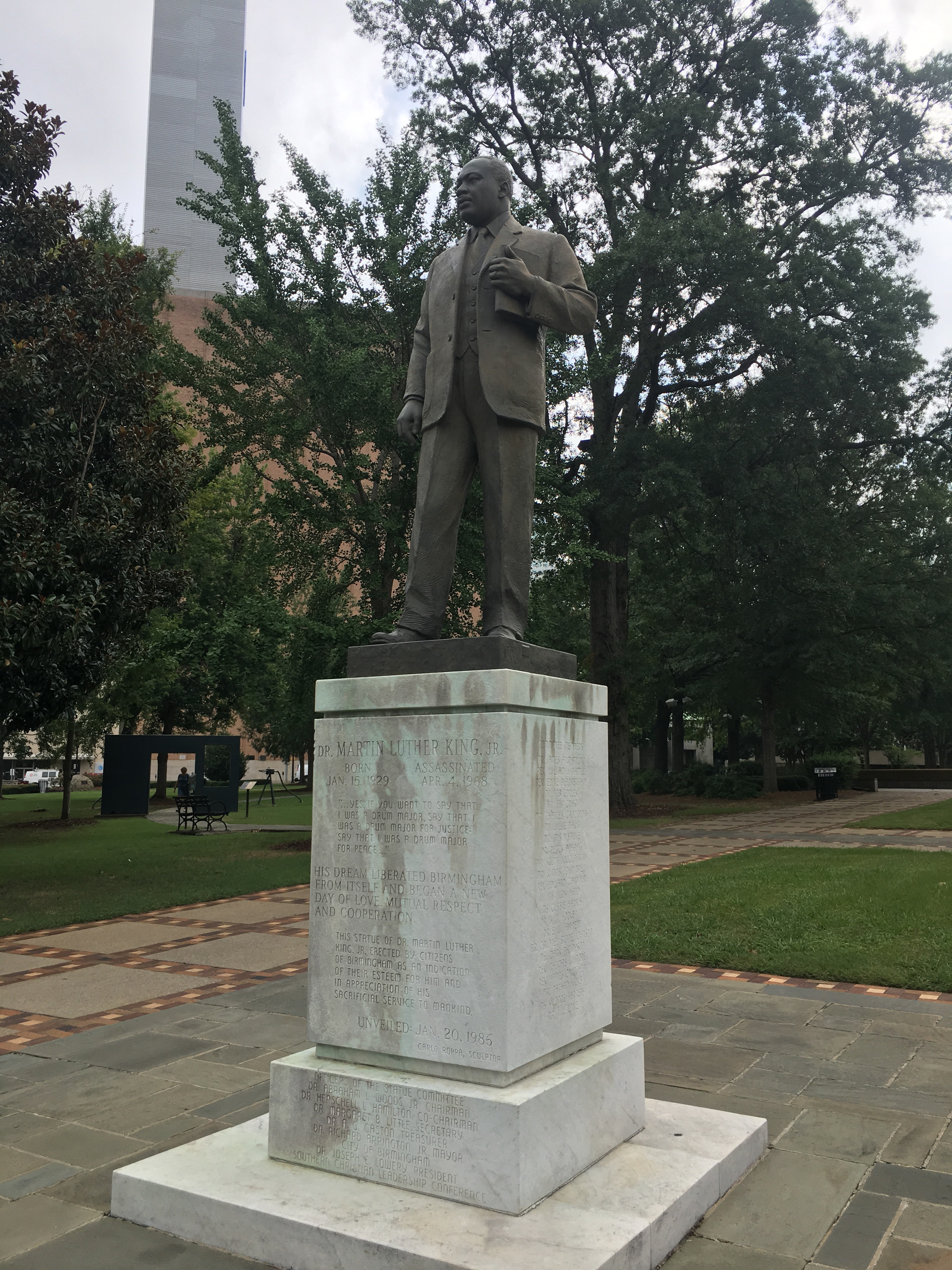
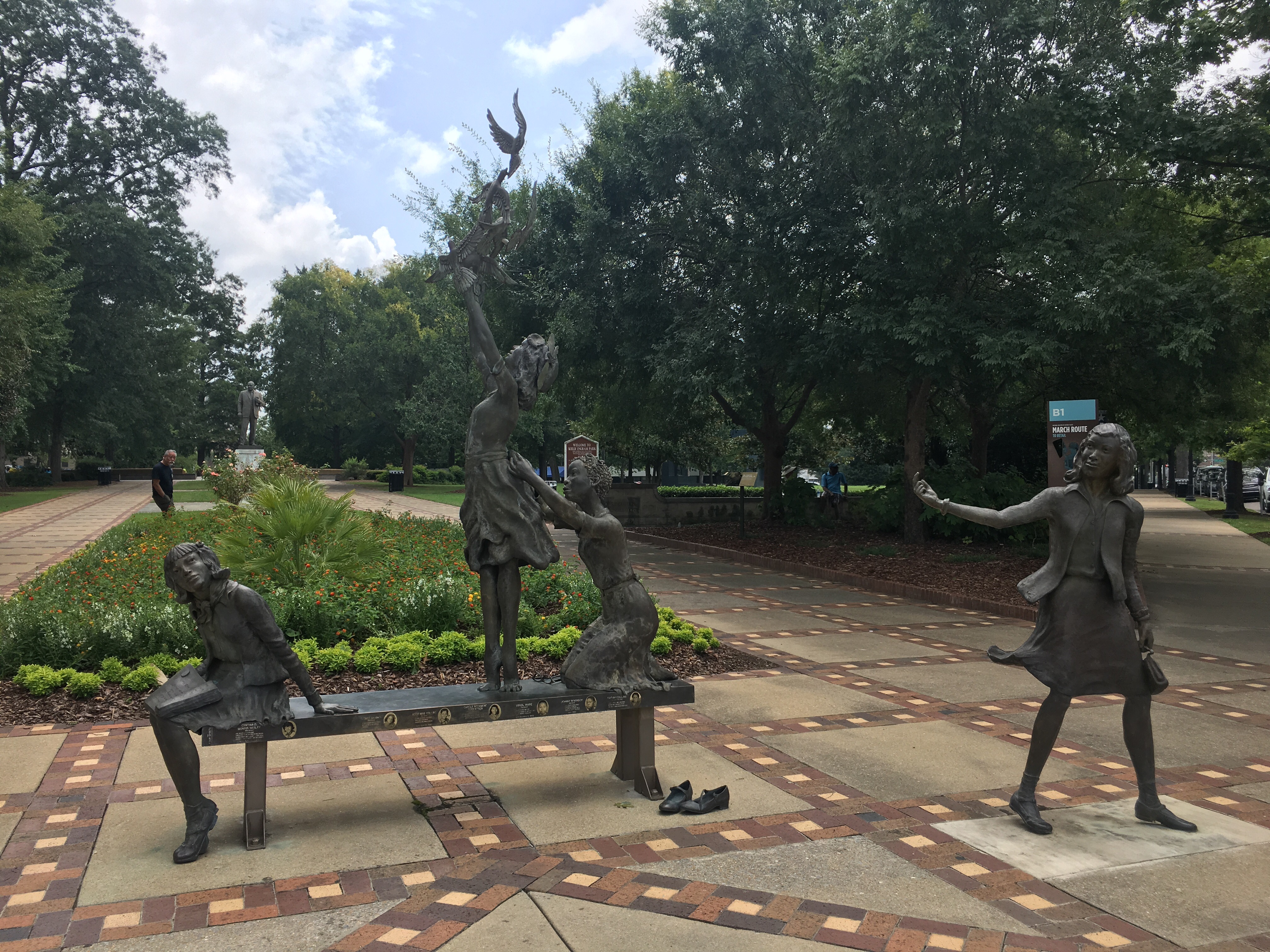
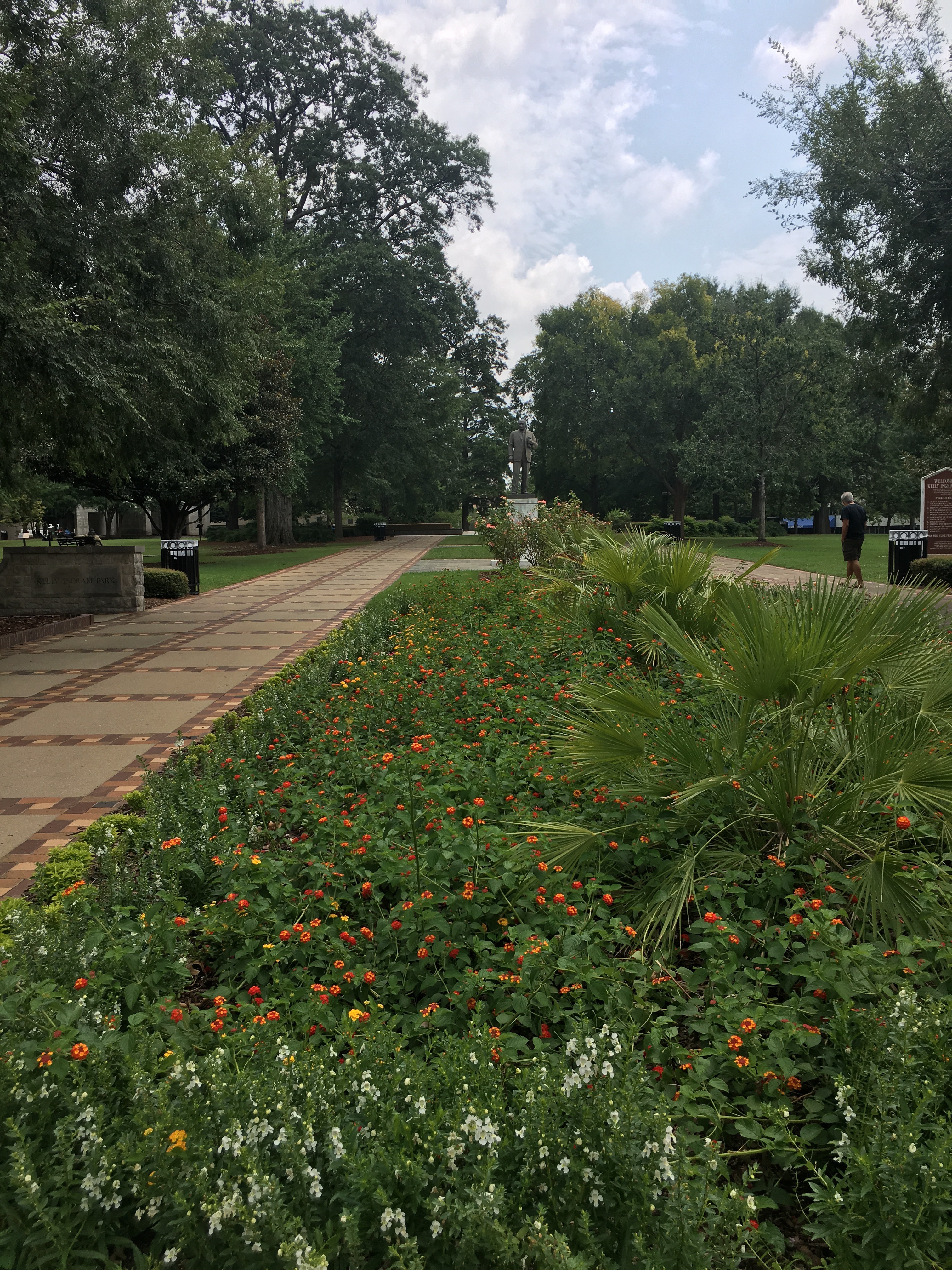
Across the street from both the Civil Rights institute and the 16th street Baptist church is Kelly Ingram Park. Once the site of protests and the Children’s march, the park now hosts a freedom walk with powerful statues that illustrate various aspects and interpretations of the movement.

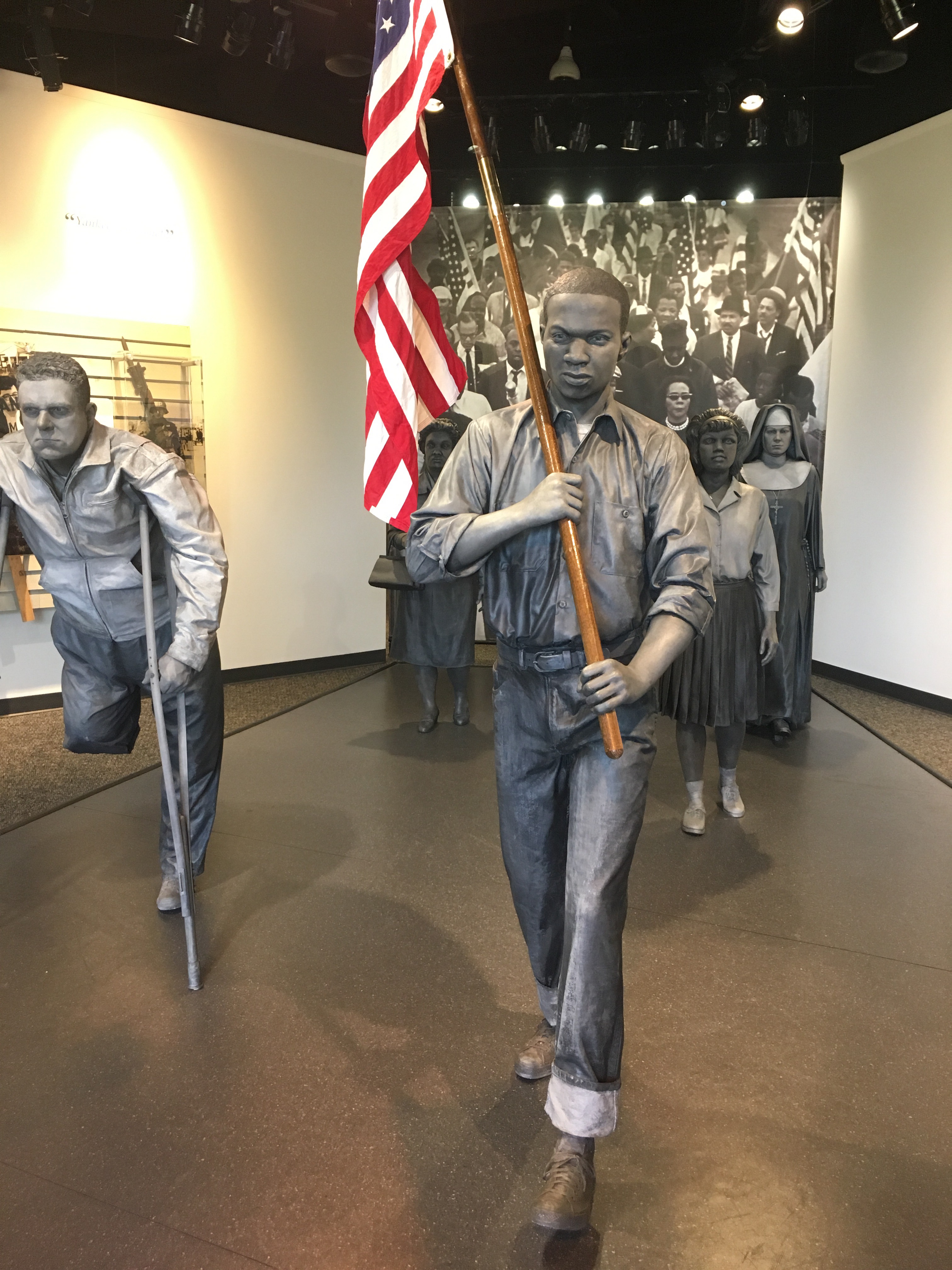
We headed south to Selma, AL to begin the Selma to Montgomery freedom trail. Here we drove across and then walked over the Edmund Pettus Bridge. In memorial of Jimmy Jackson, a young man that was shot and killed in 1963 during a voter registration campaign, peaceful protesters planned to walk across this bridge and then the rest of the 40+ miles to the state capital in Montgomery. On that Sunday they were brutally attacked by police. Two weeks later, with court approval and Dr. Martin Luther King, Jr., Rev. Ralph Abernathy, and other leaders at the helm, they were successful in the 5 day, 4 night march to Montgomery.
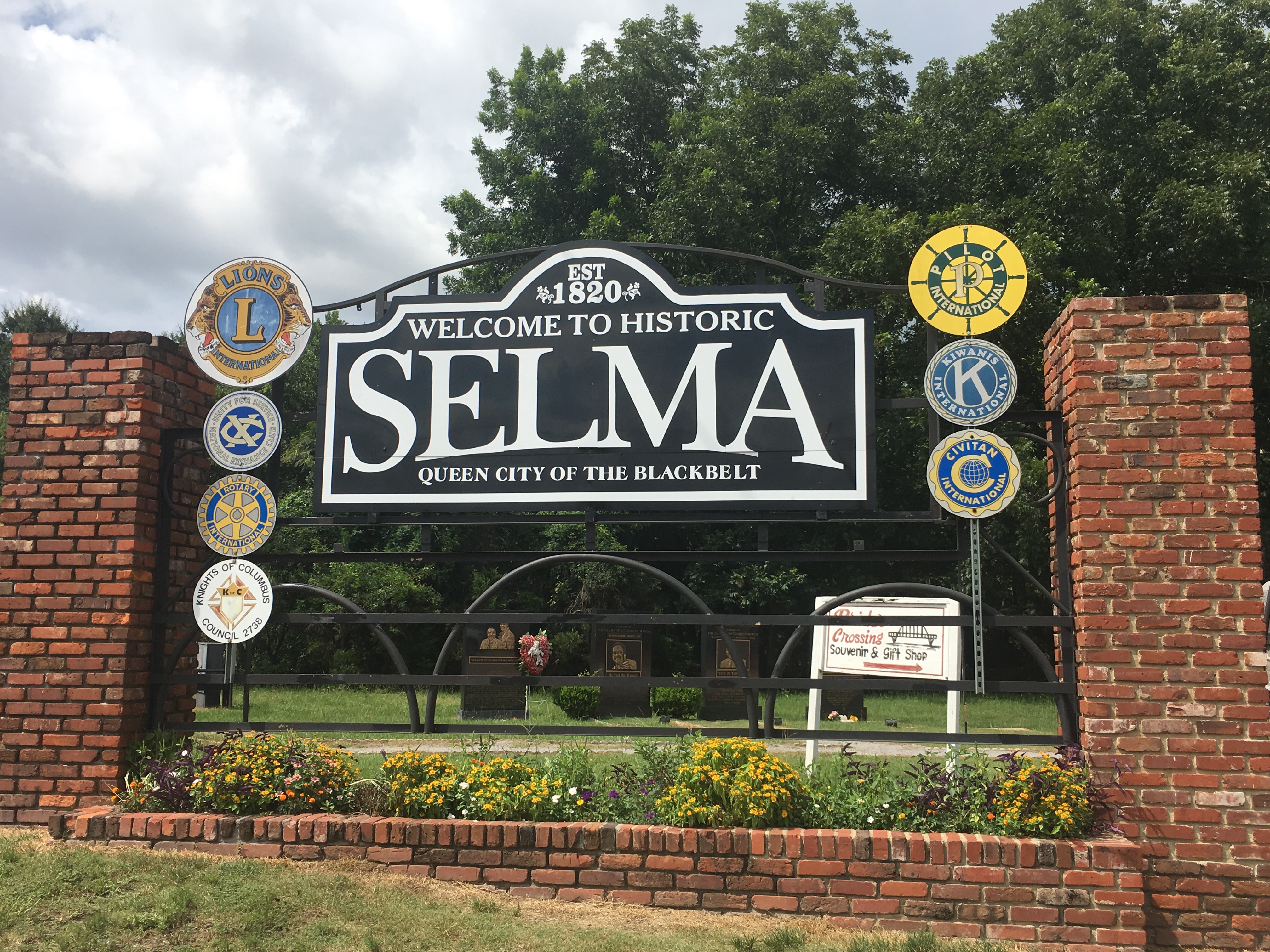
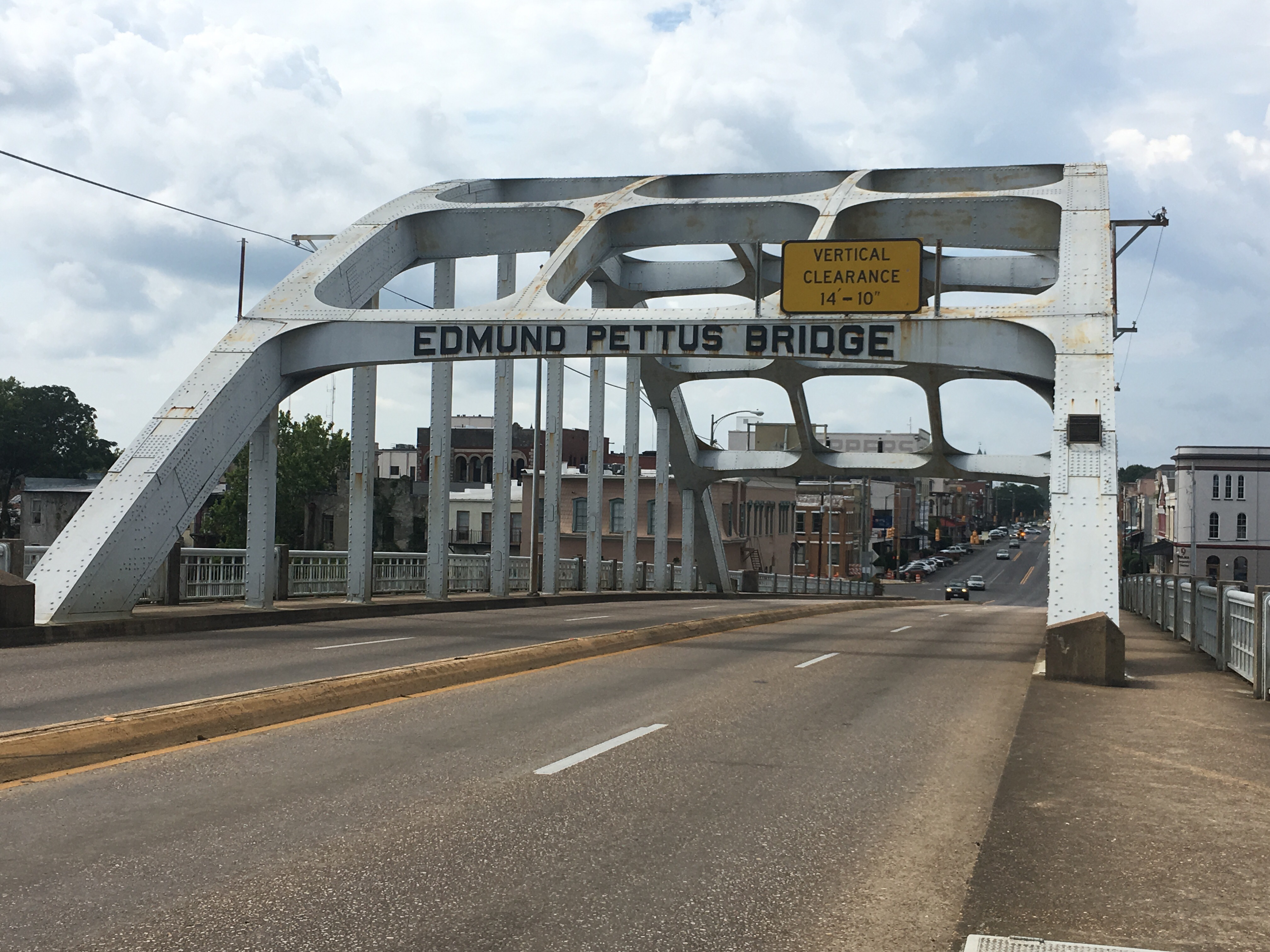
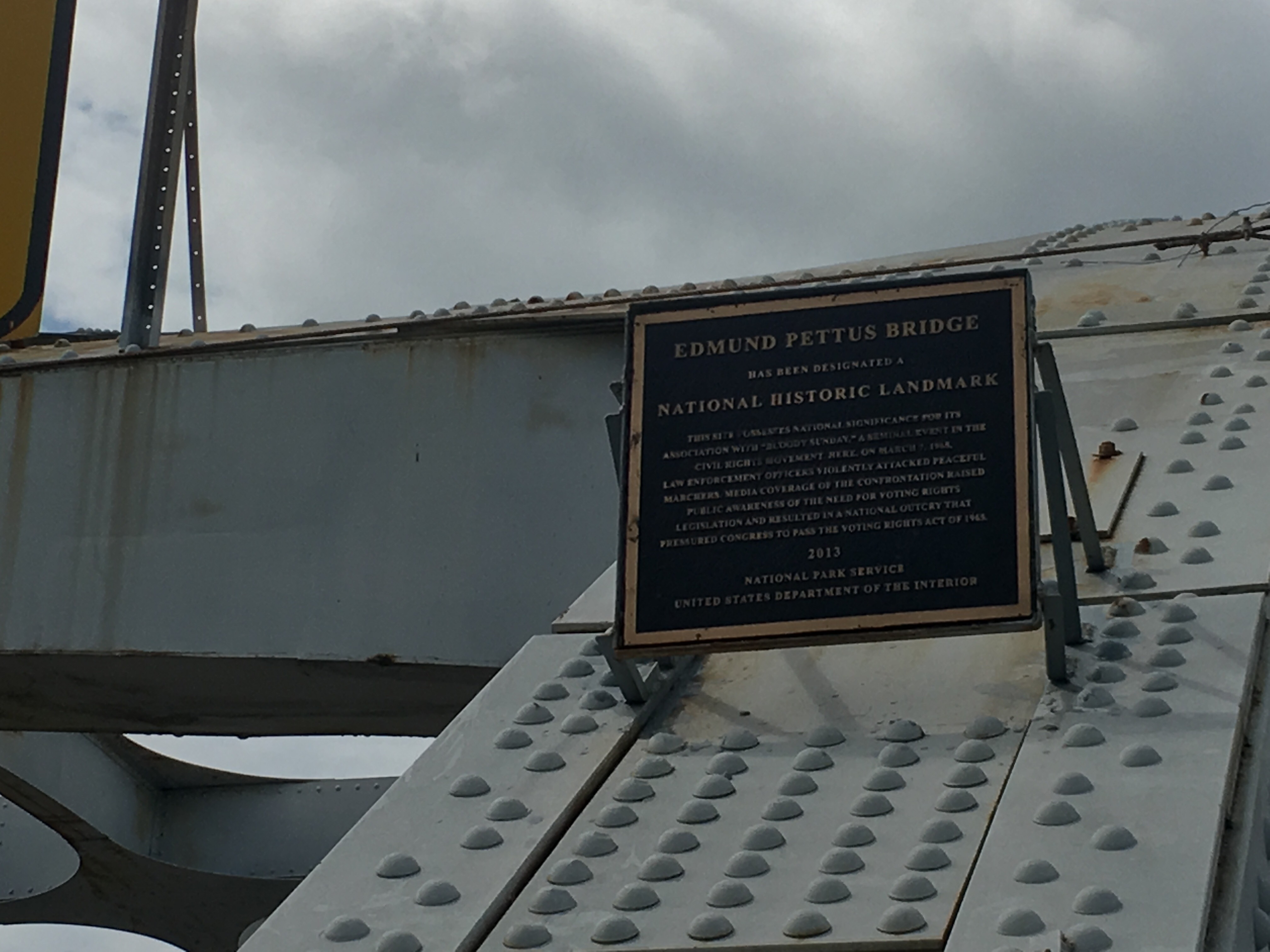
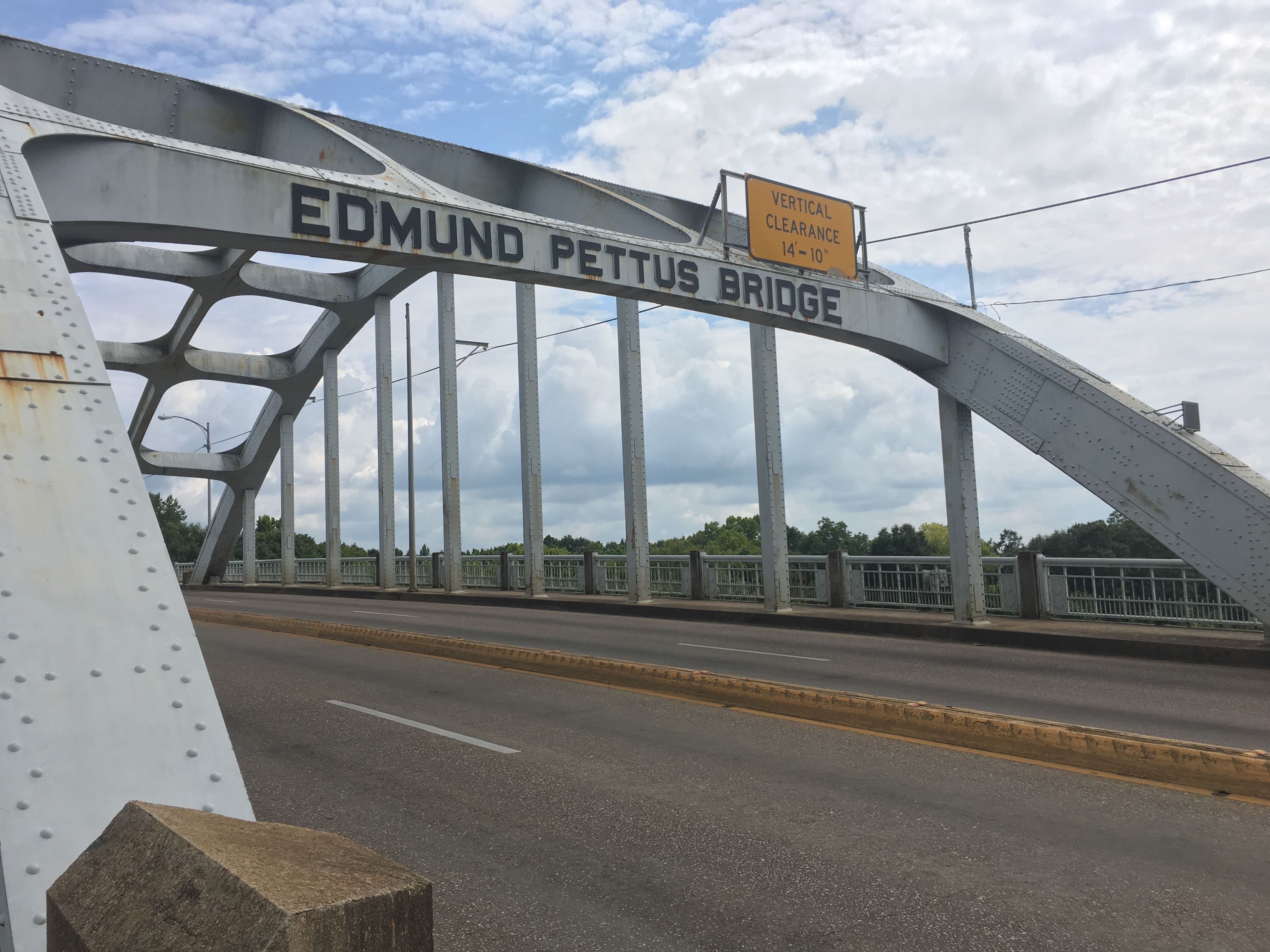
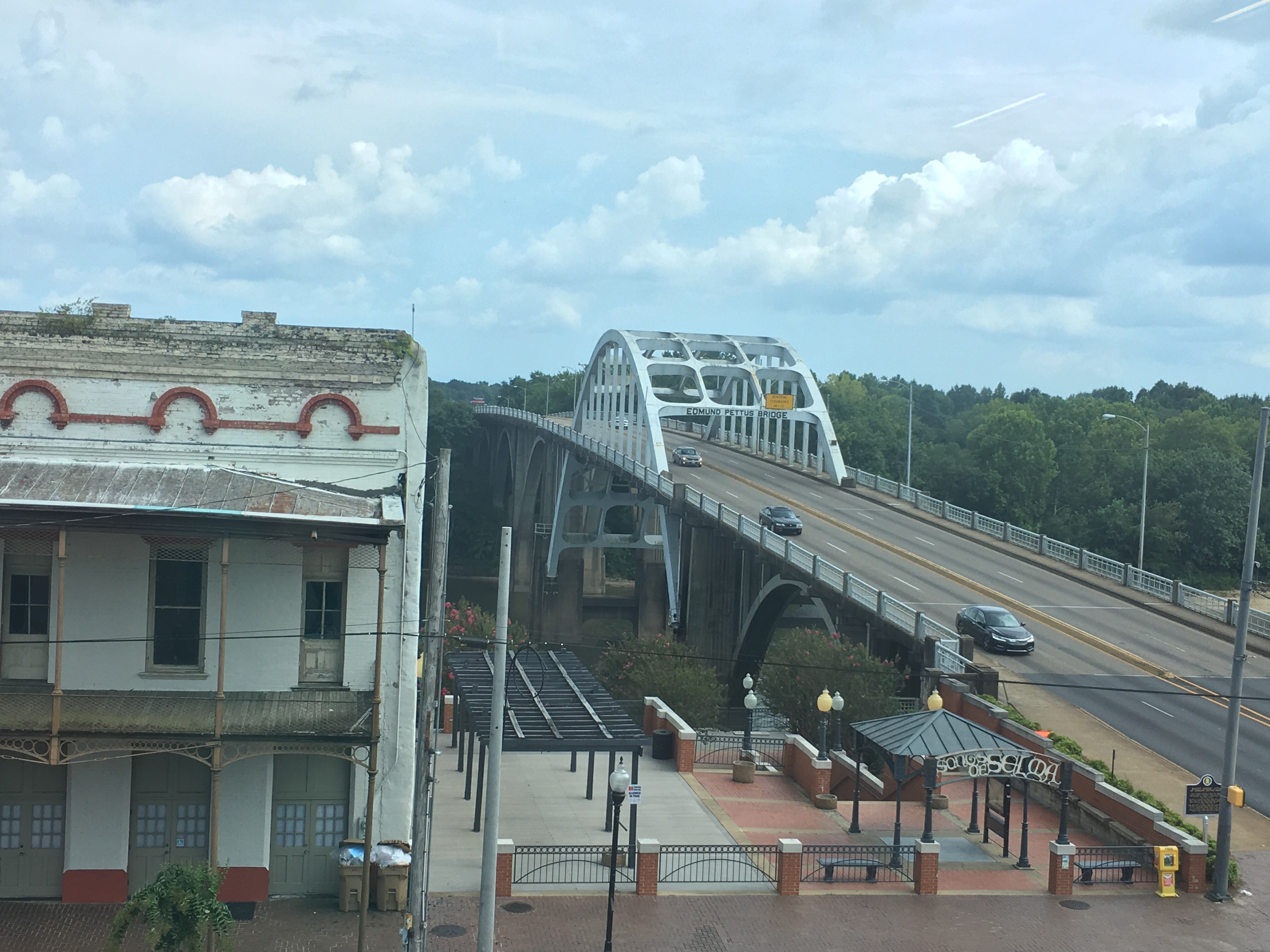
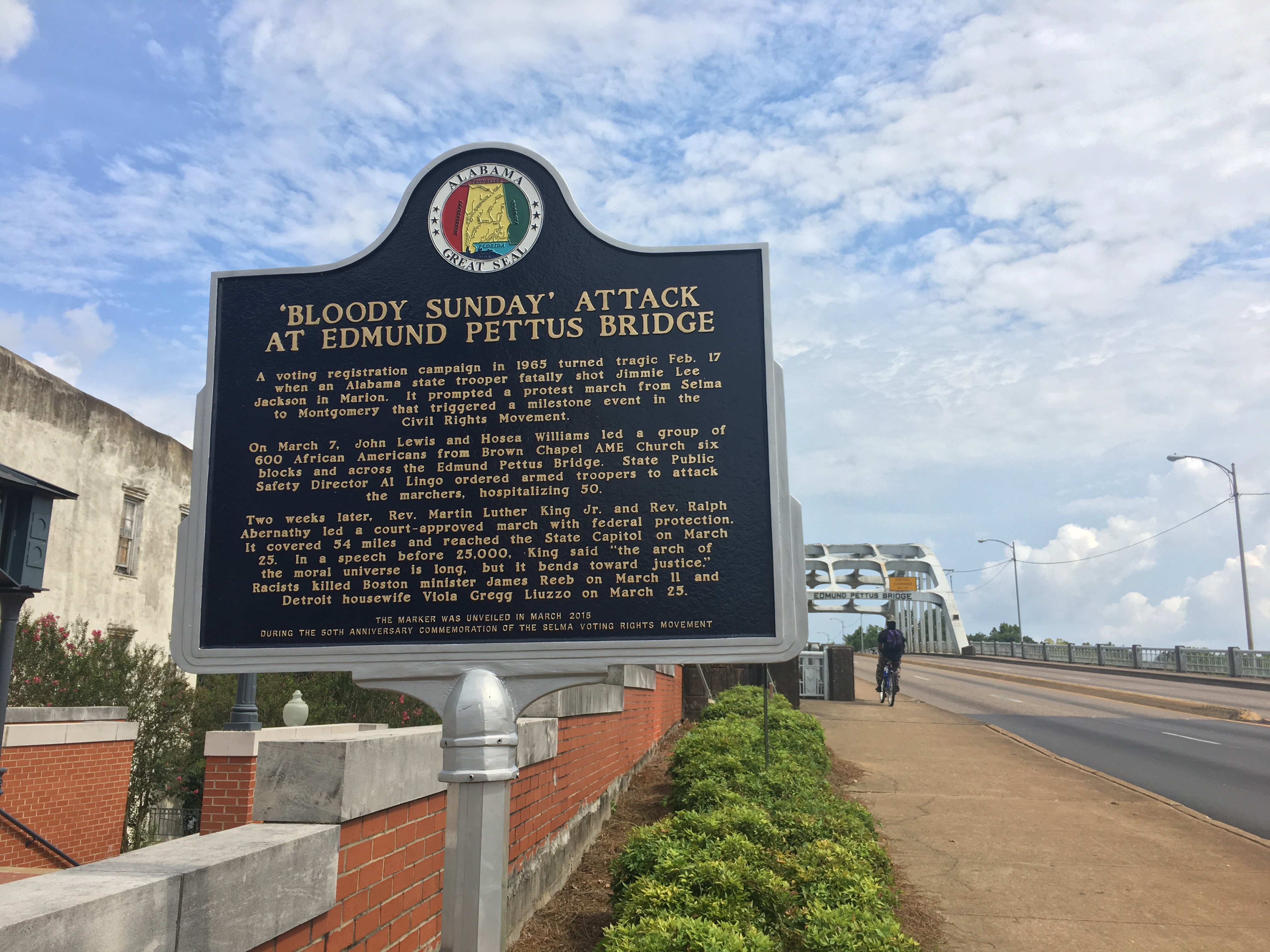
At the foot of the bridge on one side is a small Voting Rights Museum. It not only focuses on the vote in the United States but also takes an international approach.
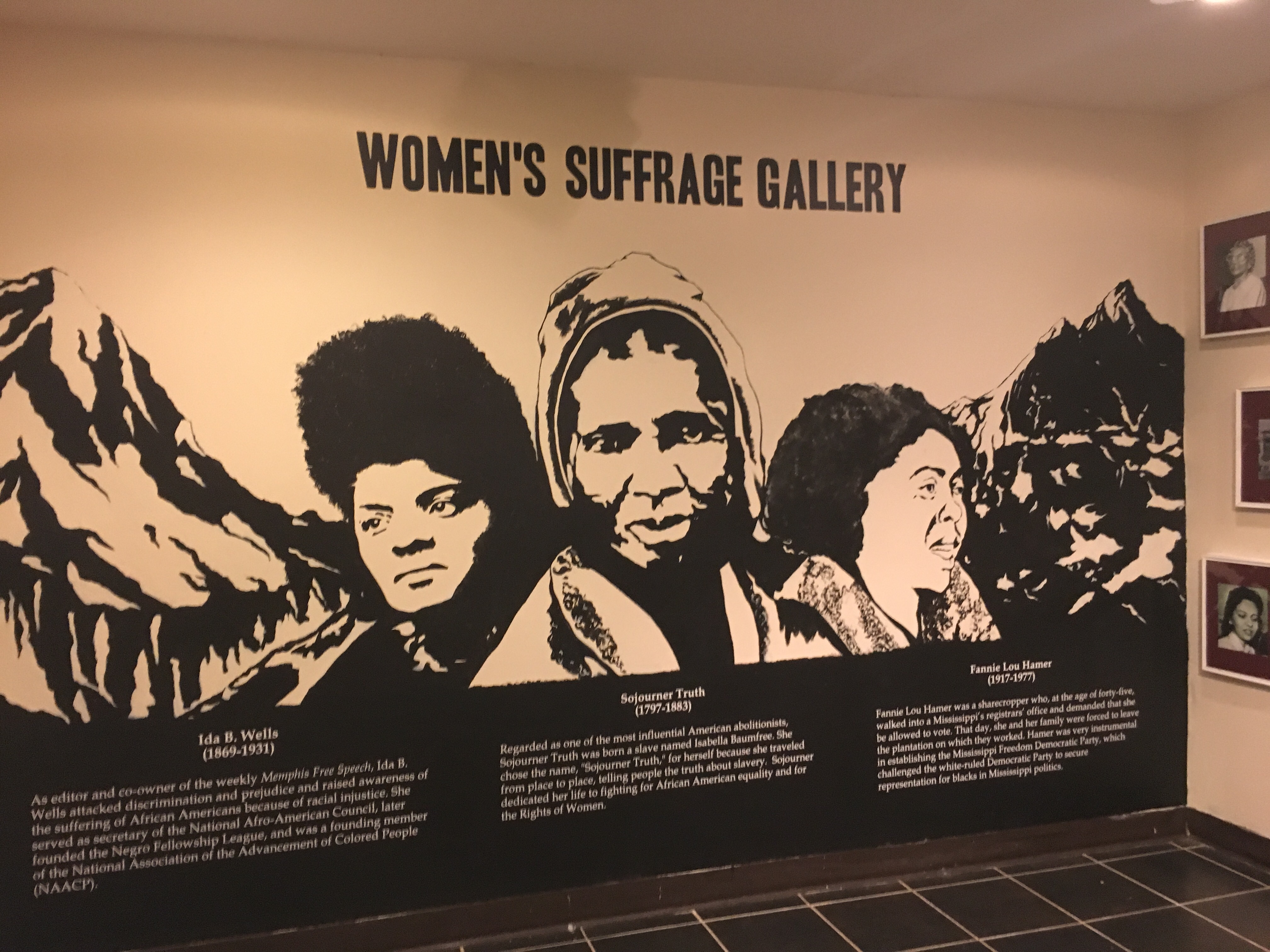
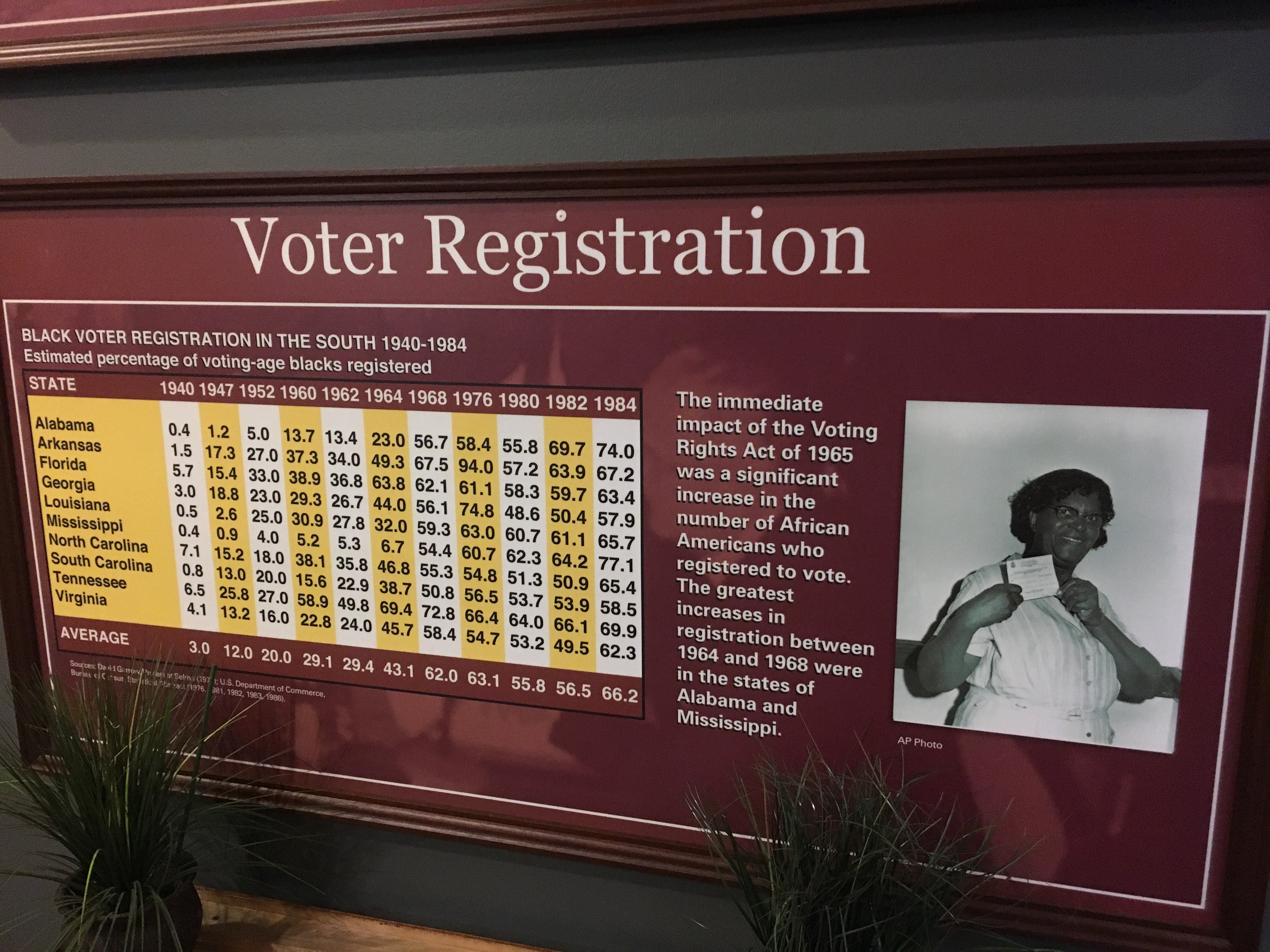
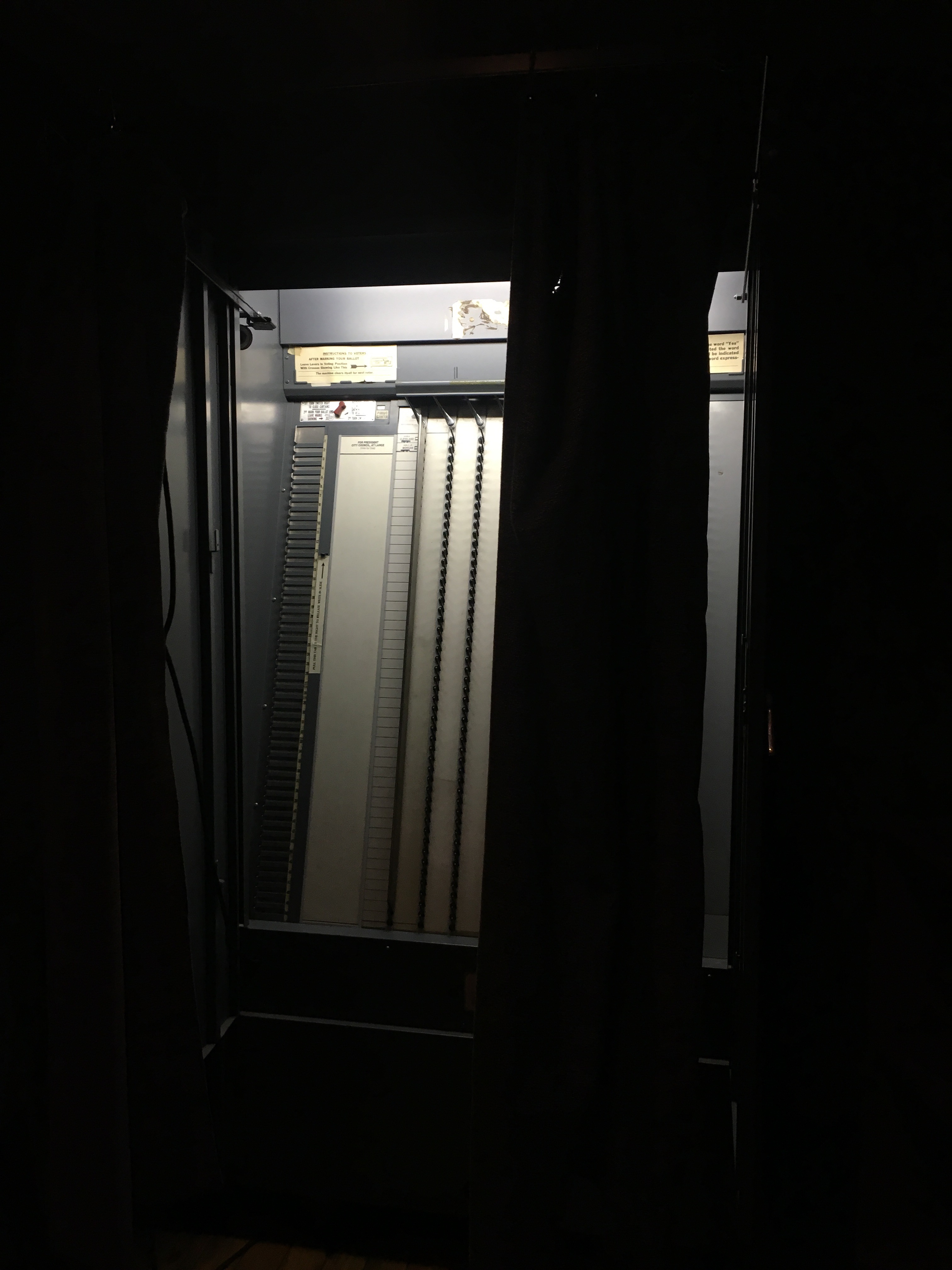
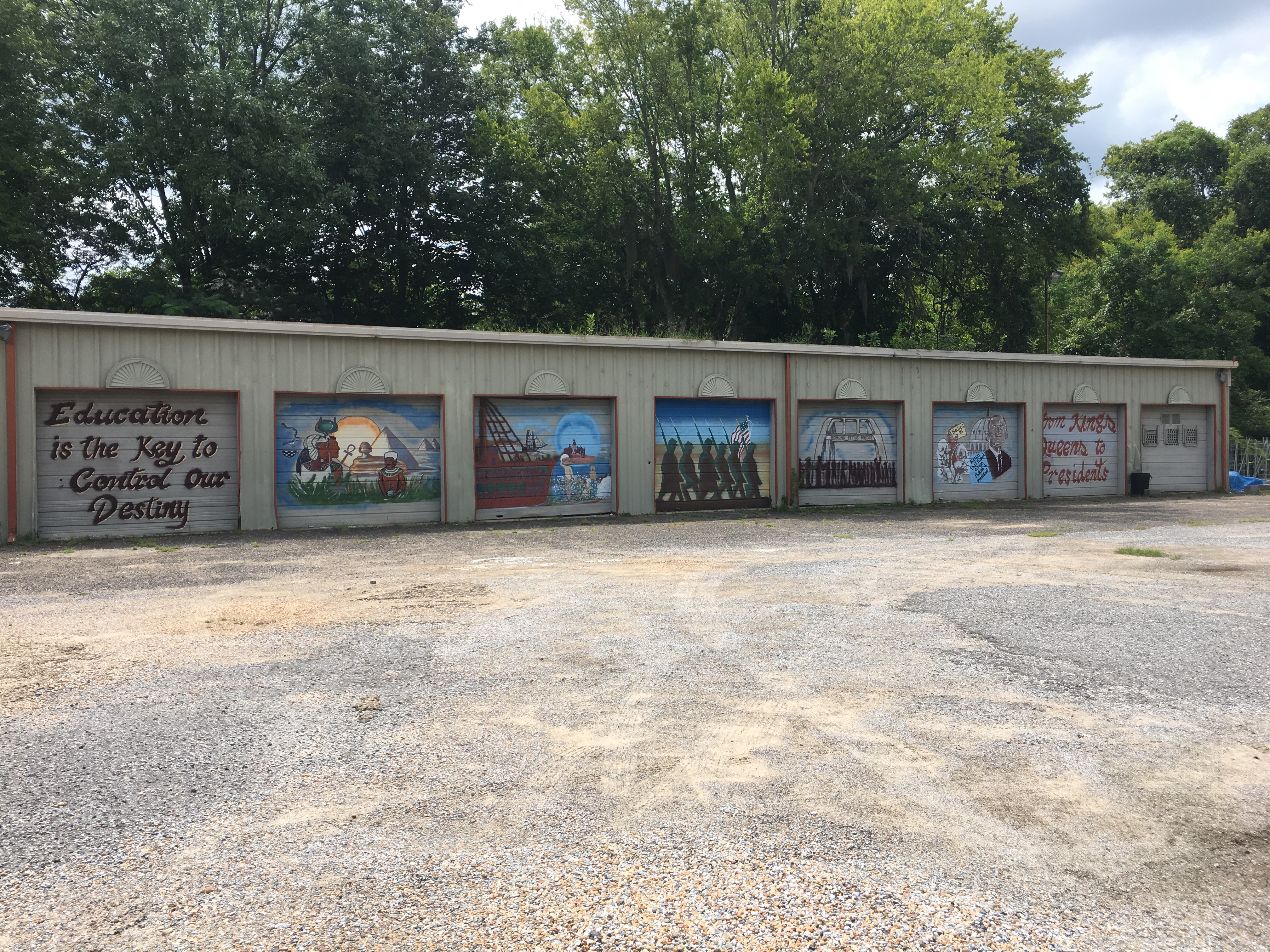
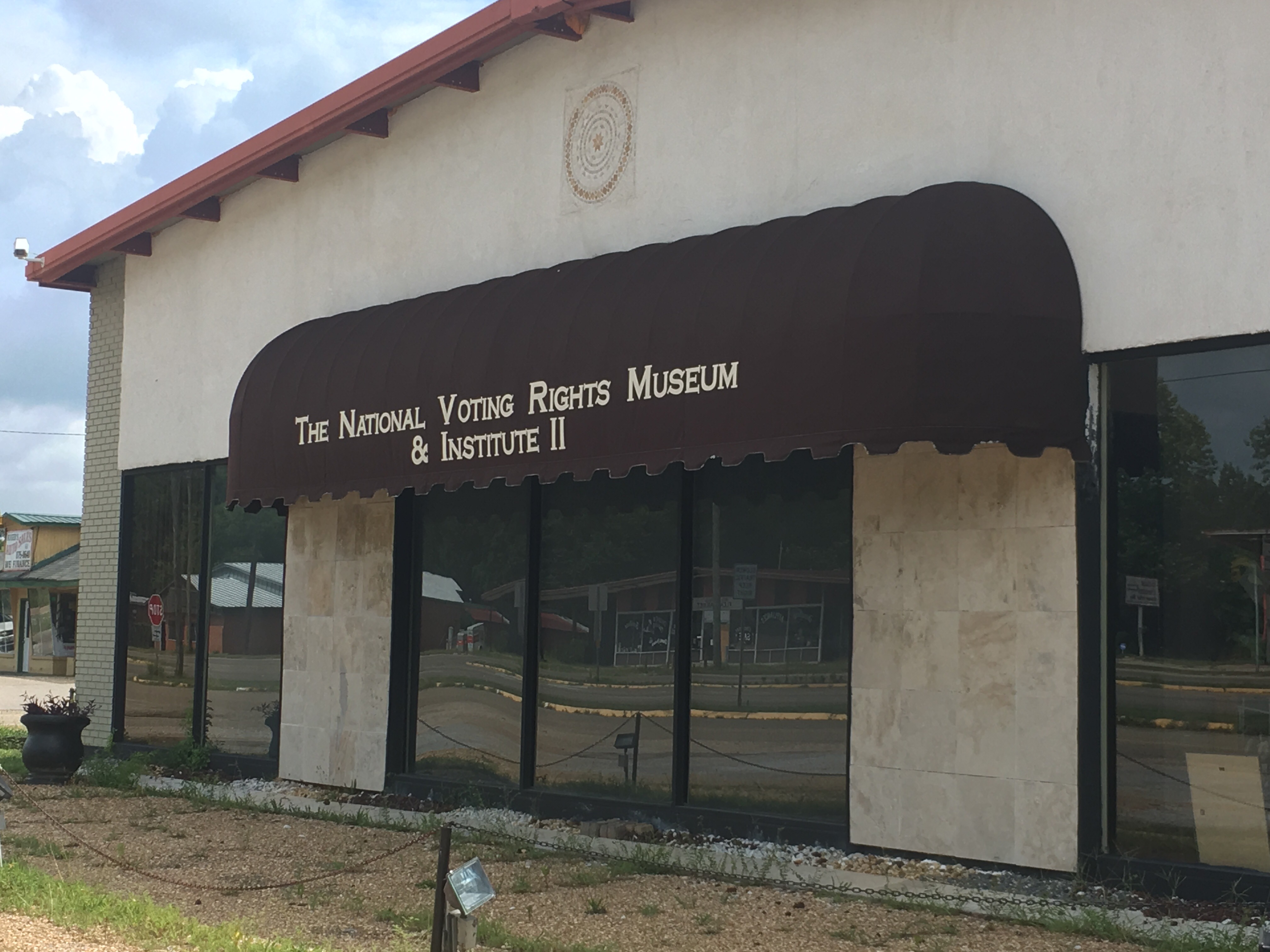
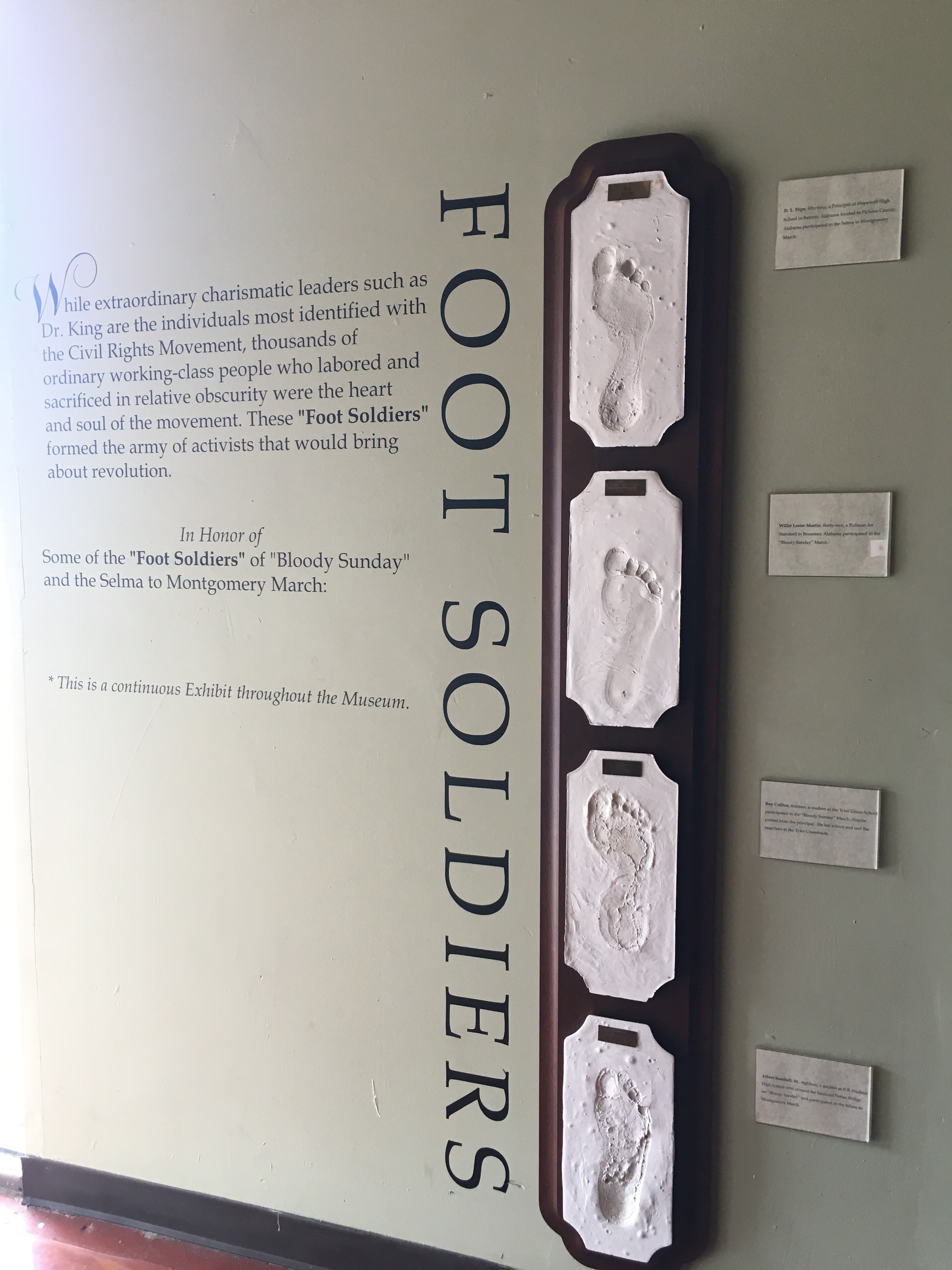
An on going exhibit throughout the museum are plaster casts of foot prints of many of the “foot soldiers” that marched from Selma to Montgomery. While we know the names of the leaders, to see the names and stories of the foot soldiers was just as powerful. Every day people, making the difference!
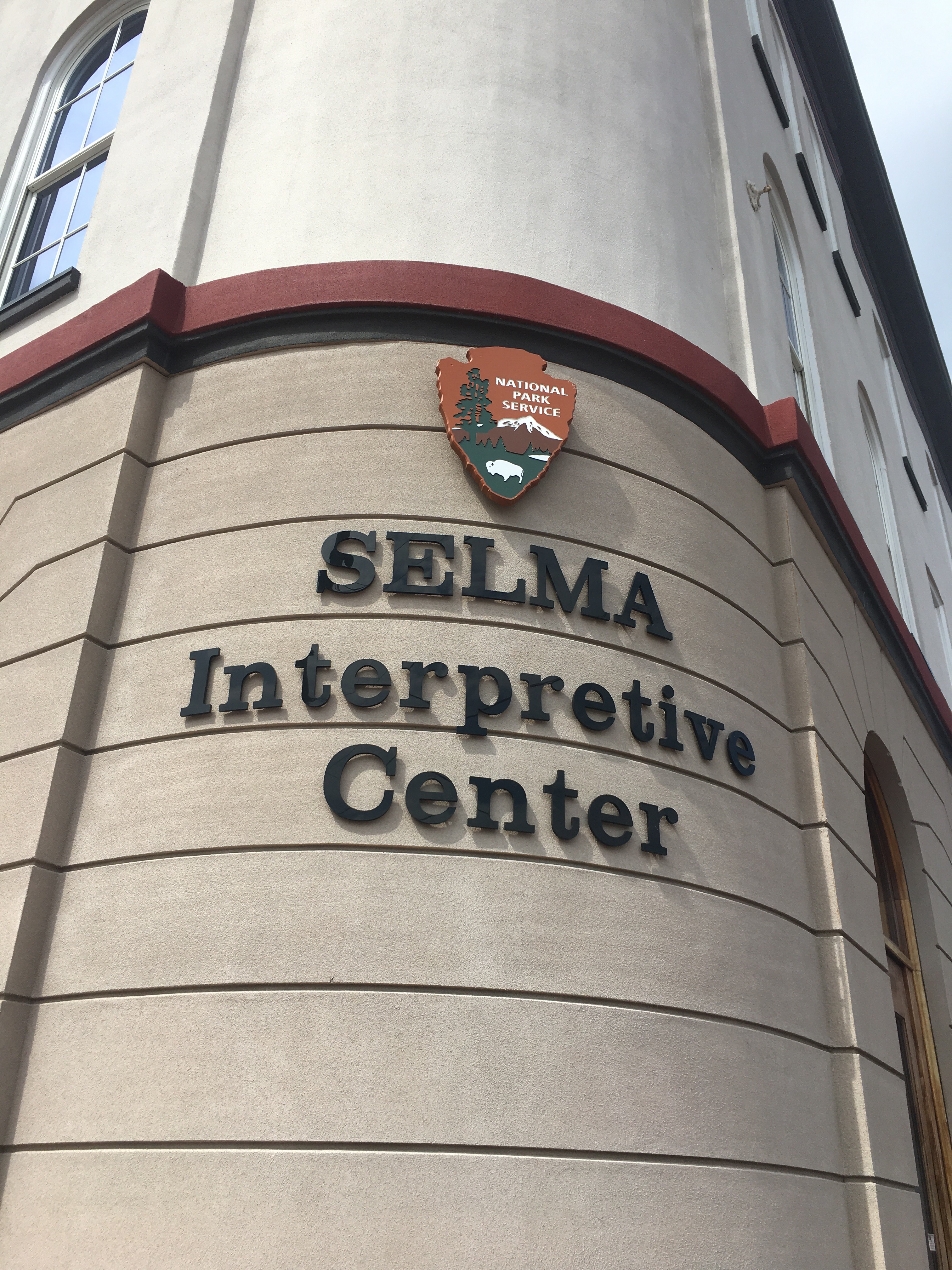
On the opposite foot of the bridge is a National Park Service run Interpretation Center. It did a great job of giving background information on the march and putting it into a greater perspective than just this one isolated event.
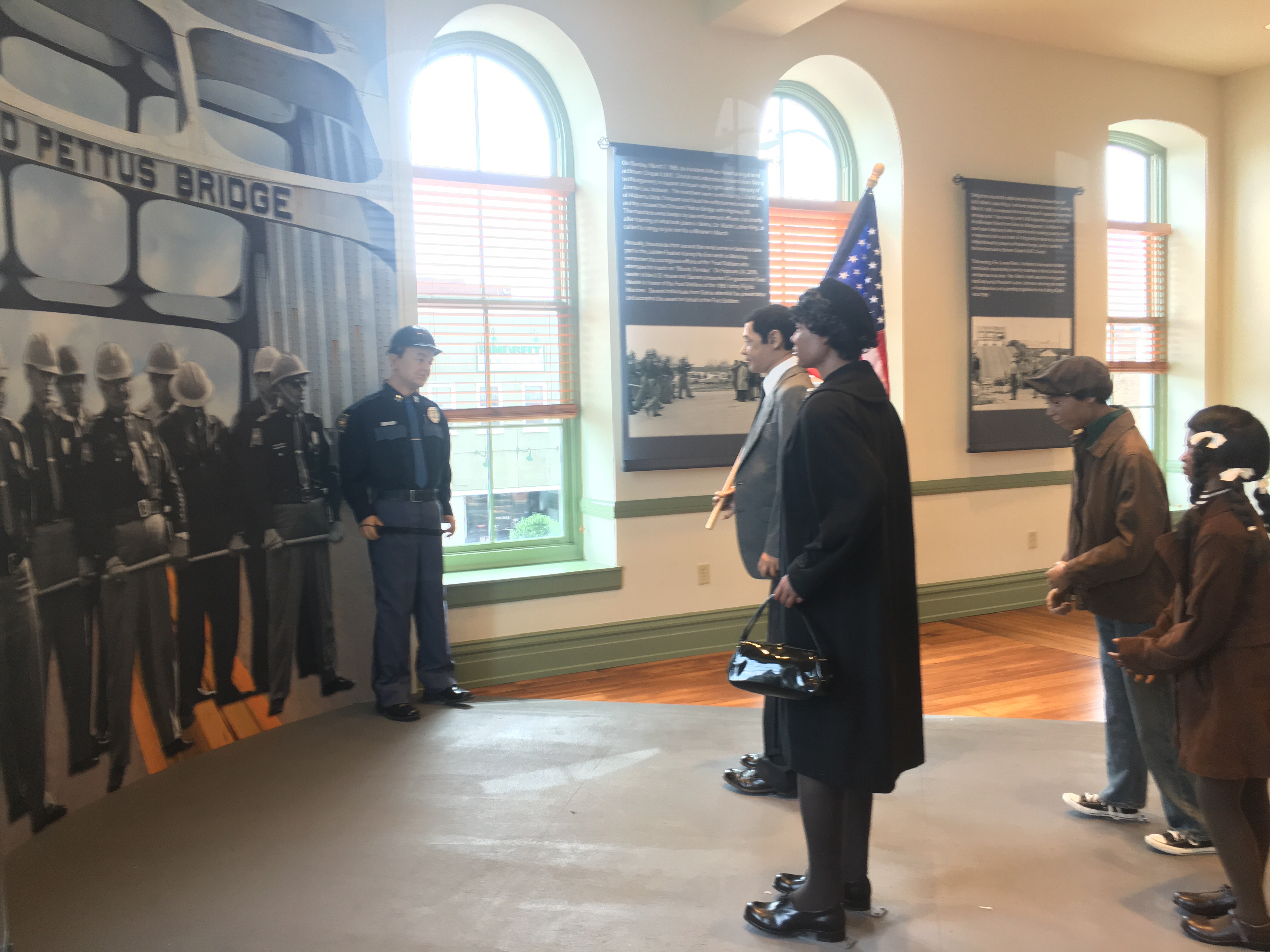
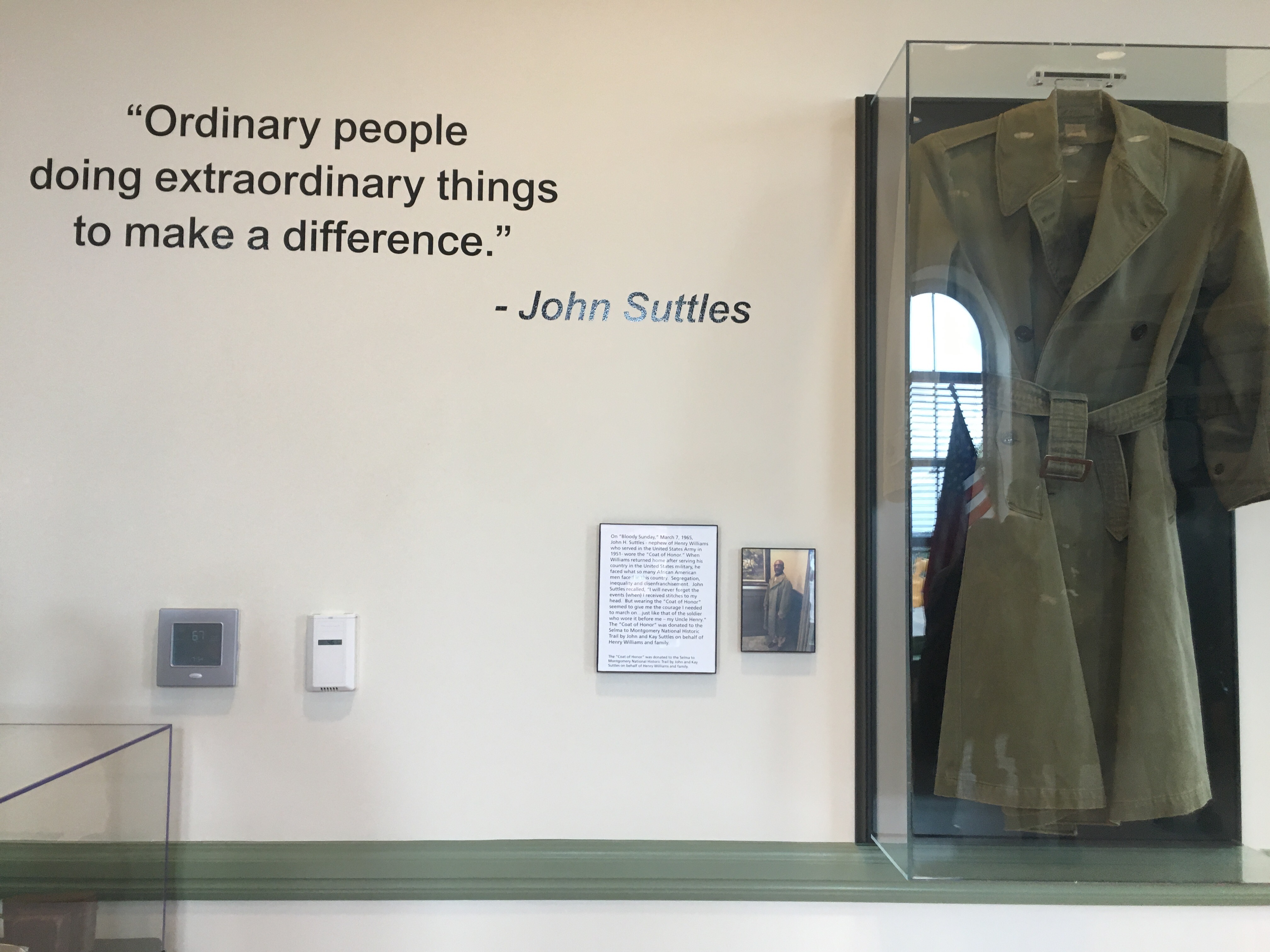
From Selma you take the drive east on 80 towards Montgomery. This is the same route that the marchers took in 1963. About halfway to Montgomery in Lowndes County, there is another National Park Service Interpretation Center. It talked a lot about the reactions of poor local residents that watched, and some even joined the marchers that passed through.
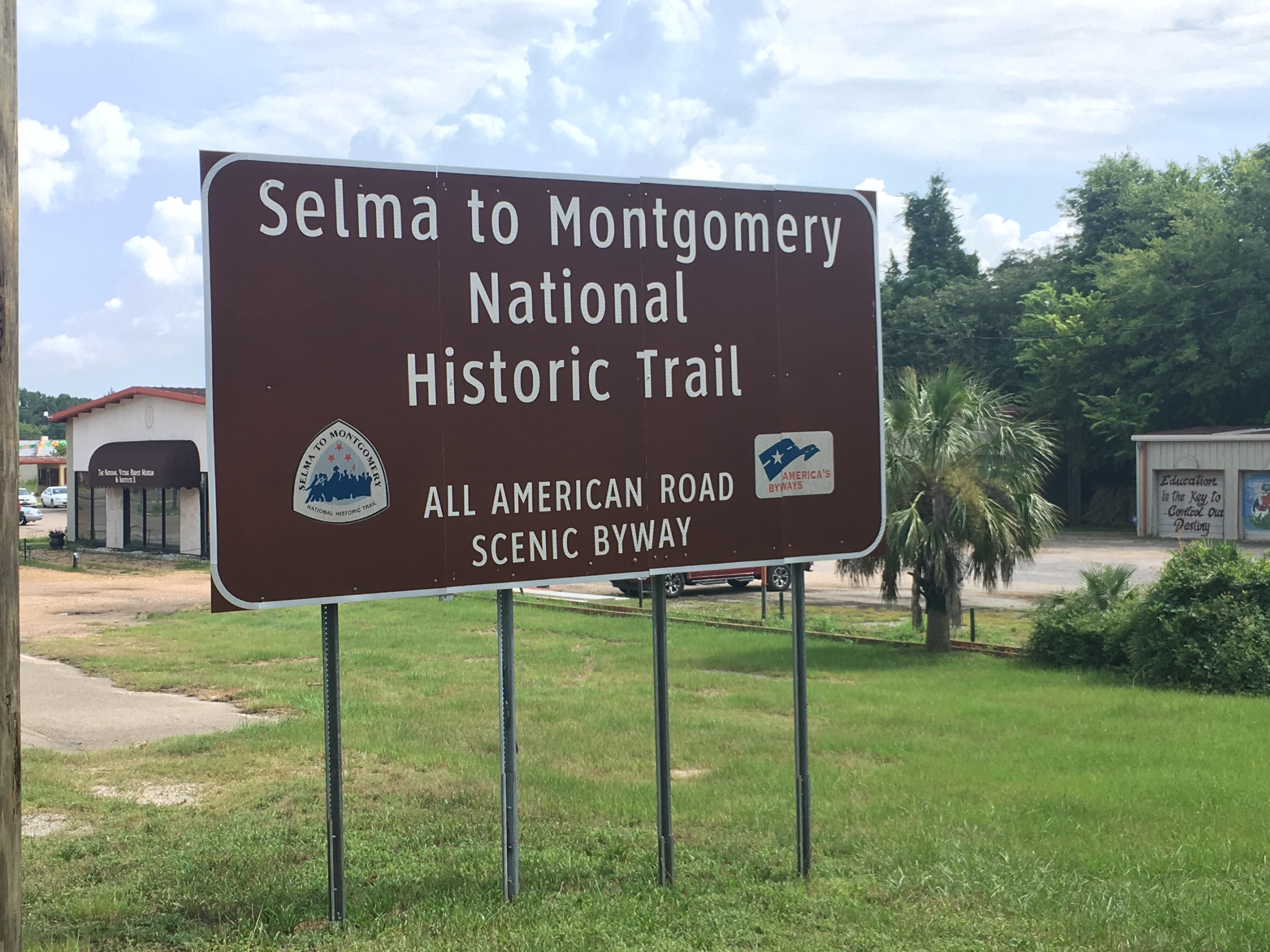
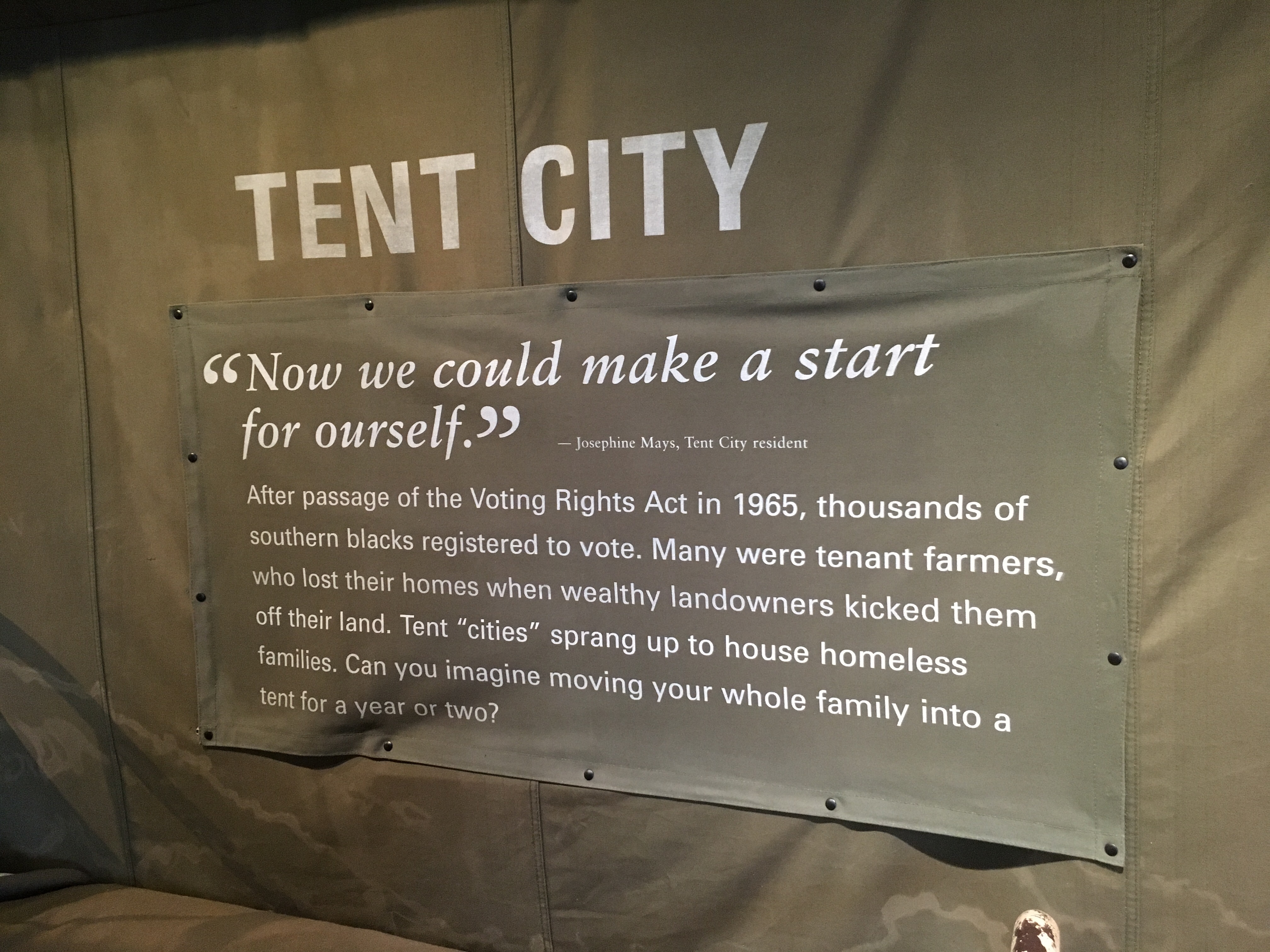
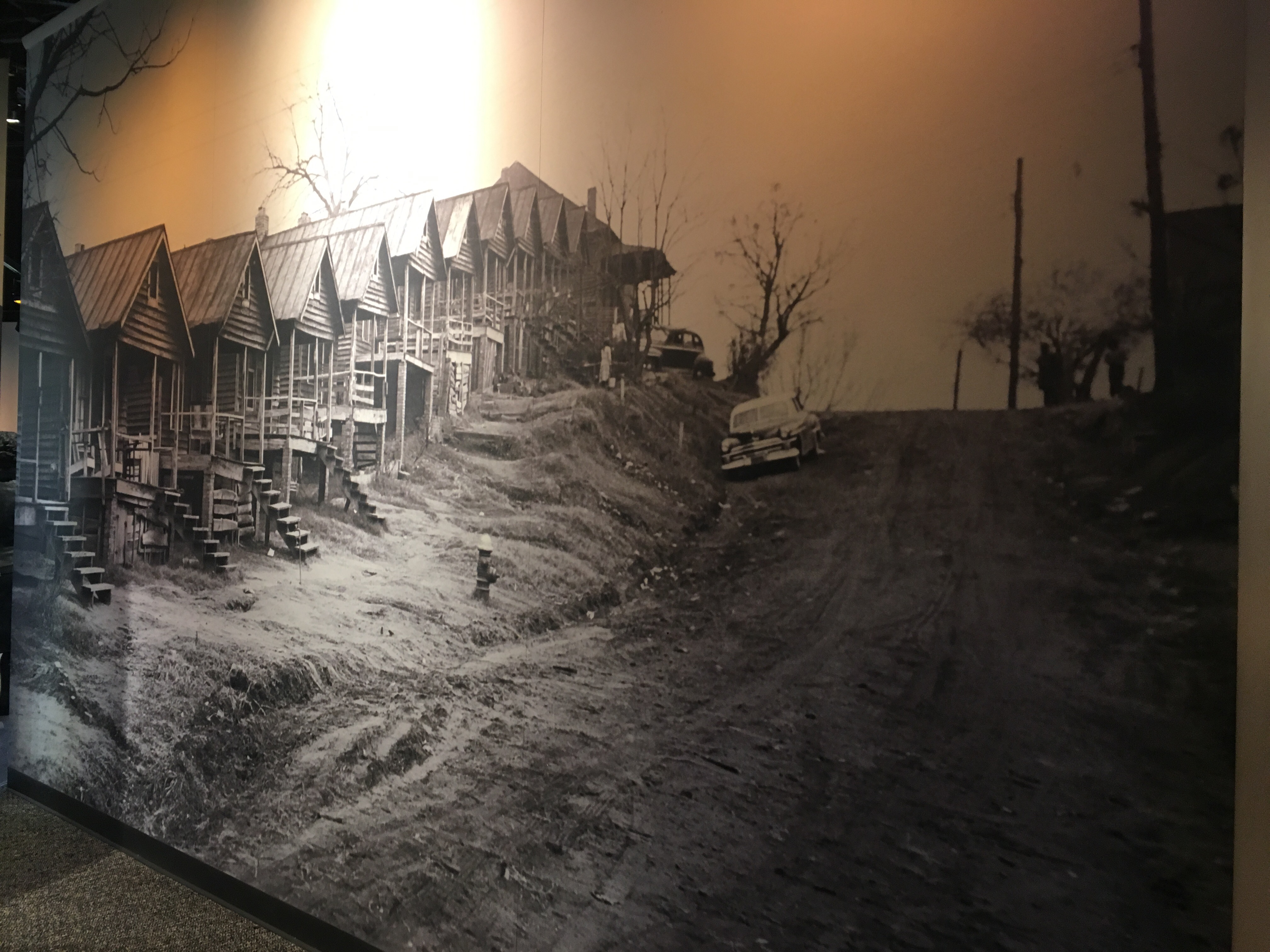
A big highlight of this center was the fact this was the relative location of “Tent City” in 1963. When poor sharecroppers were evicted from their homes for just trying to register to vote they had nowhere to go. This Tent City popped up and about 40 families stayed here some for as longa s two years. Reading about what families were willing to go through just to be able to exercise their right to vote gives you a lot to think about.
We continued on to Montgomery and made it there early evening. We scored a sweet deal on Priceline at the Sheraton. It had free laundry services and a restaurant right there so we were able to get caught up on a few things so that we could head out early the next morning.
As the capital of Alabama, Montgomery alone has a lot of things to do and see. We wanted to stick on the civil rights trail so we started out at the Southern Poverty Law Center. They have a fantastic monument outside with a tablet with names/events of 40 individuals killed during the civil rights movement. There is a space left blank with the time before and after the movement.
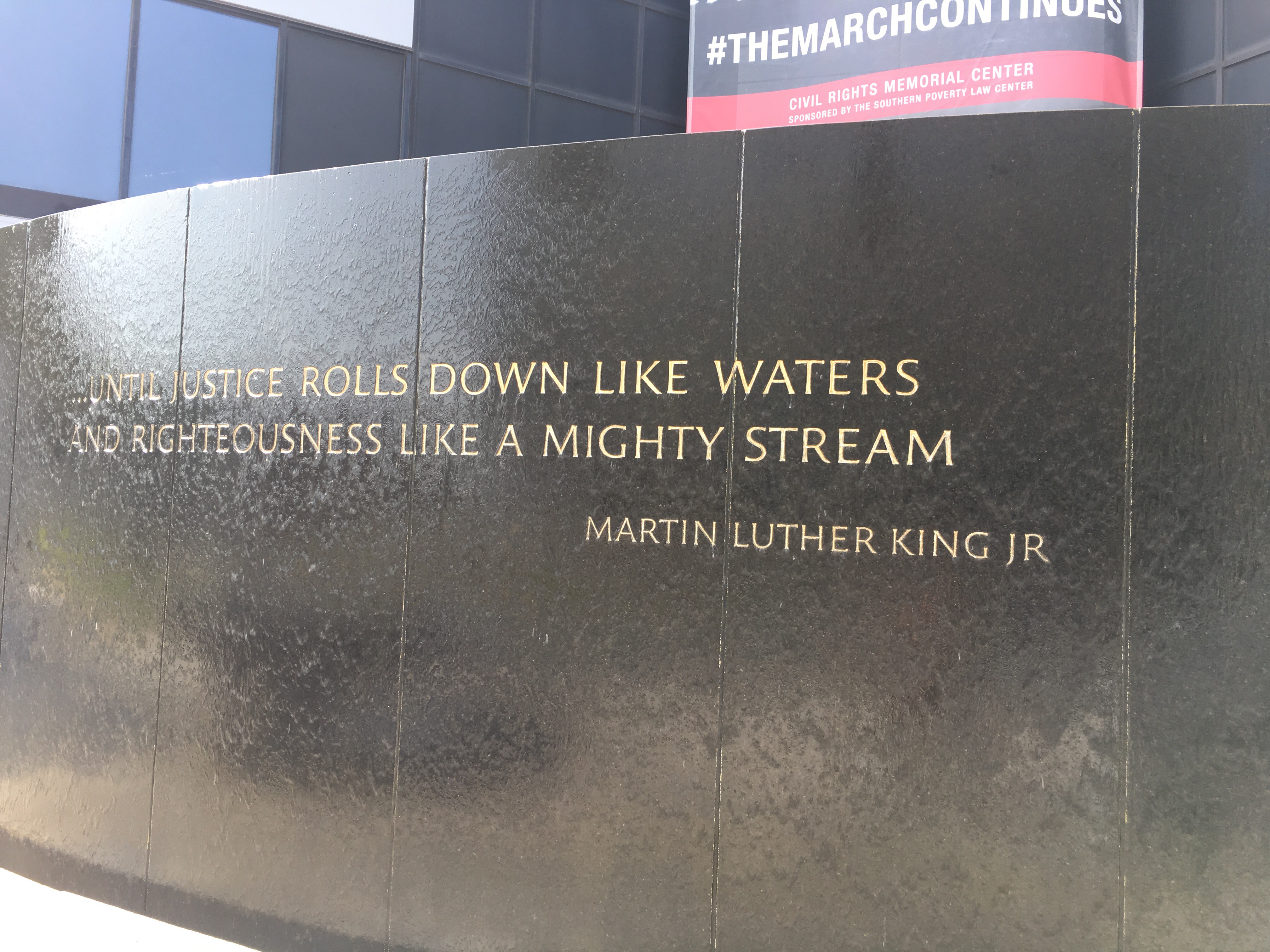
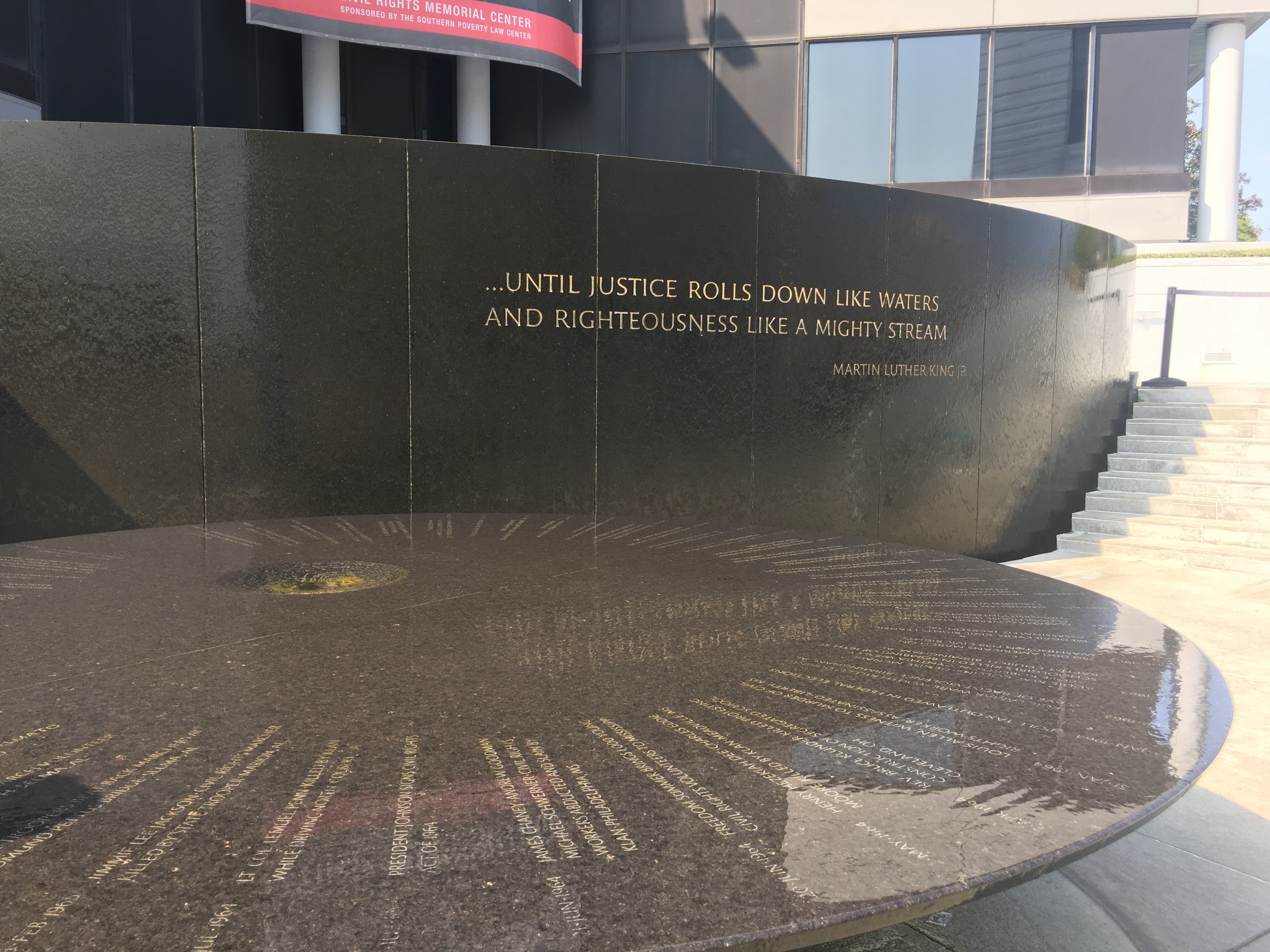
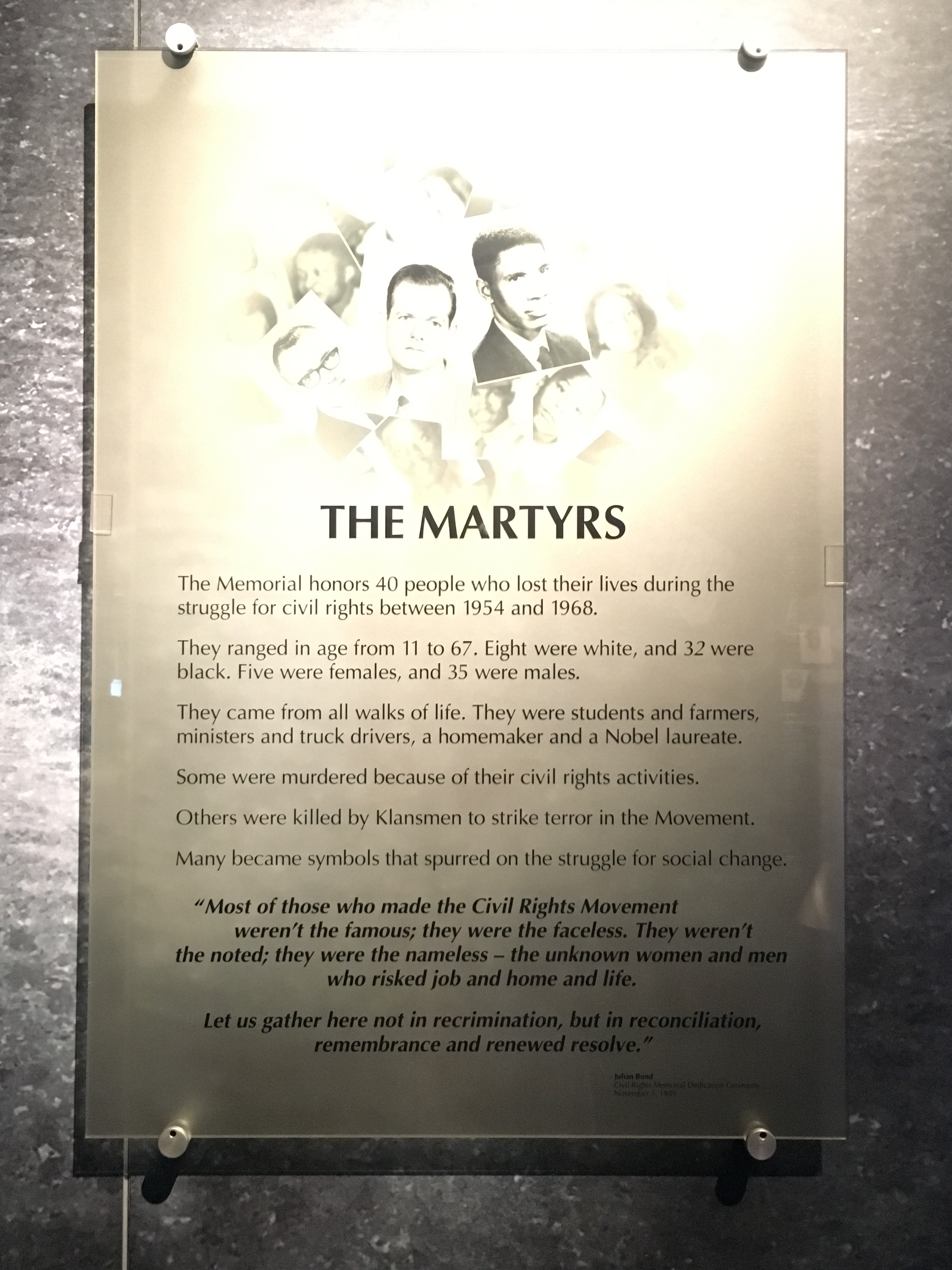
Inside there are videos and exhibits about the martyrs listed on the memorial outside. There is also a Wall of Tolerance that you can sign your name to after taking the pledge. Although this center is small it is worth the stop and the film was good to see, including clips of Rosa Parks at the memorial dedication.

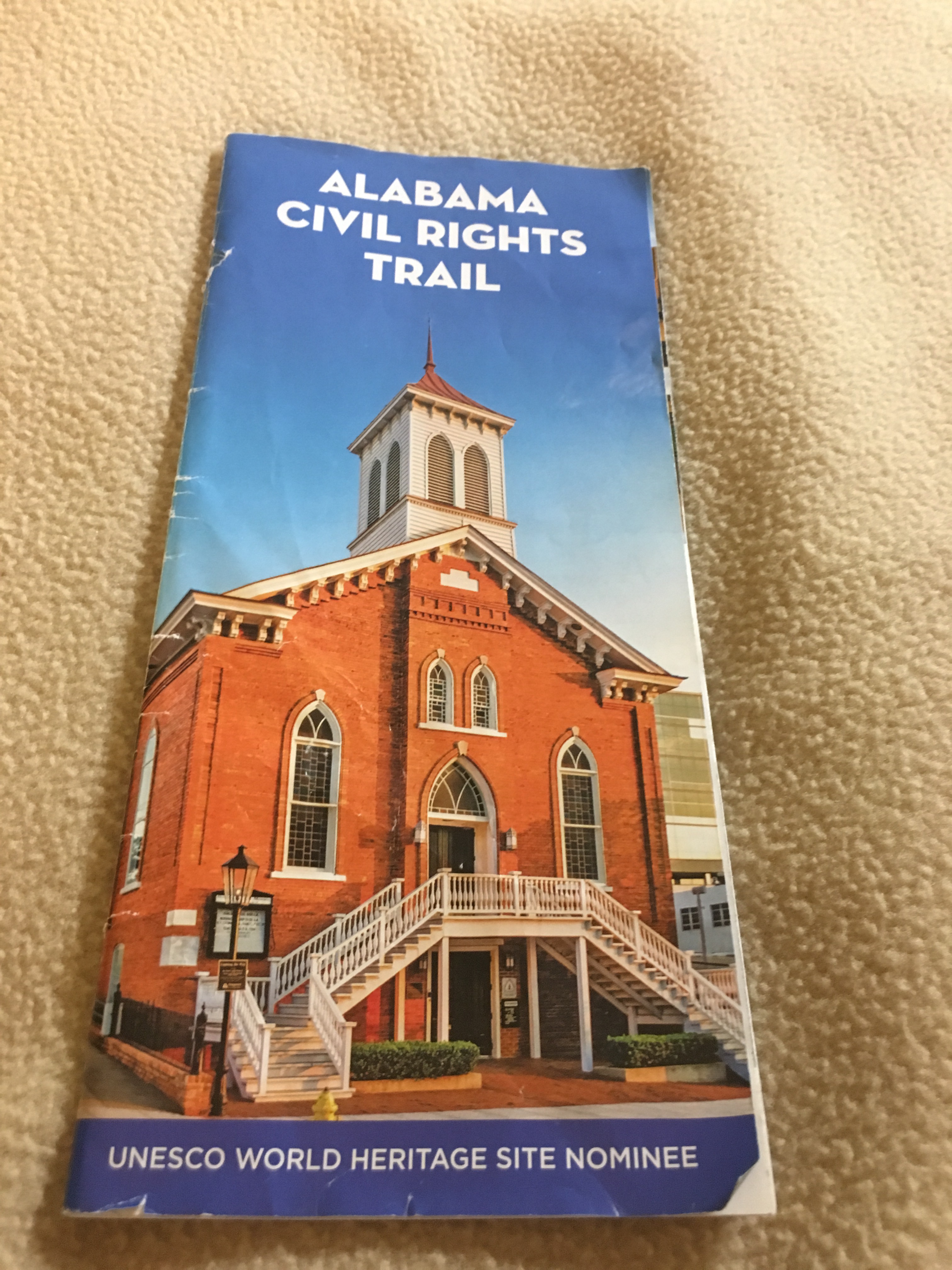
A block away is the Dexter Avenue King Memorial Baptist Church. Built in 1883 and a World Heritage Site, this is the only church that Dr. Martin Luther King, Jr. served as senior pastor for 6 years. As many churches are/were, this one was instrumental in leaders and community members planning such actions as the Montgomery bus boycott.
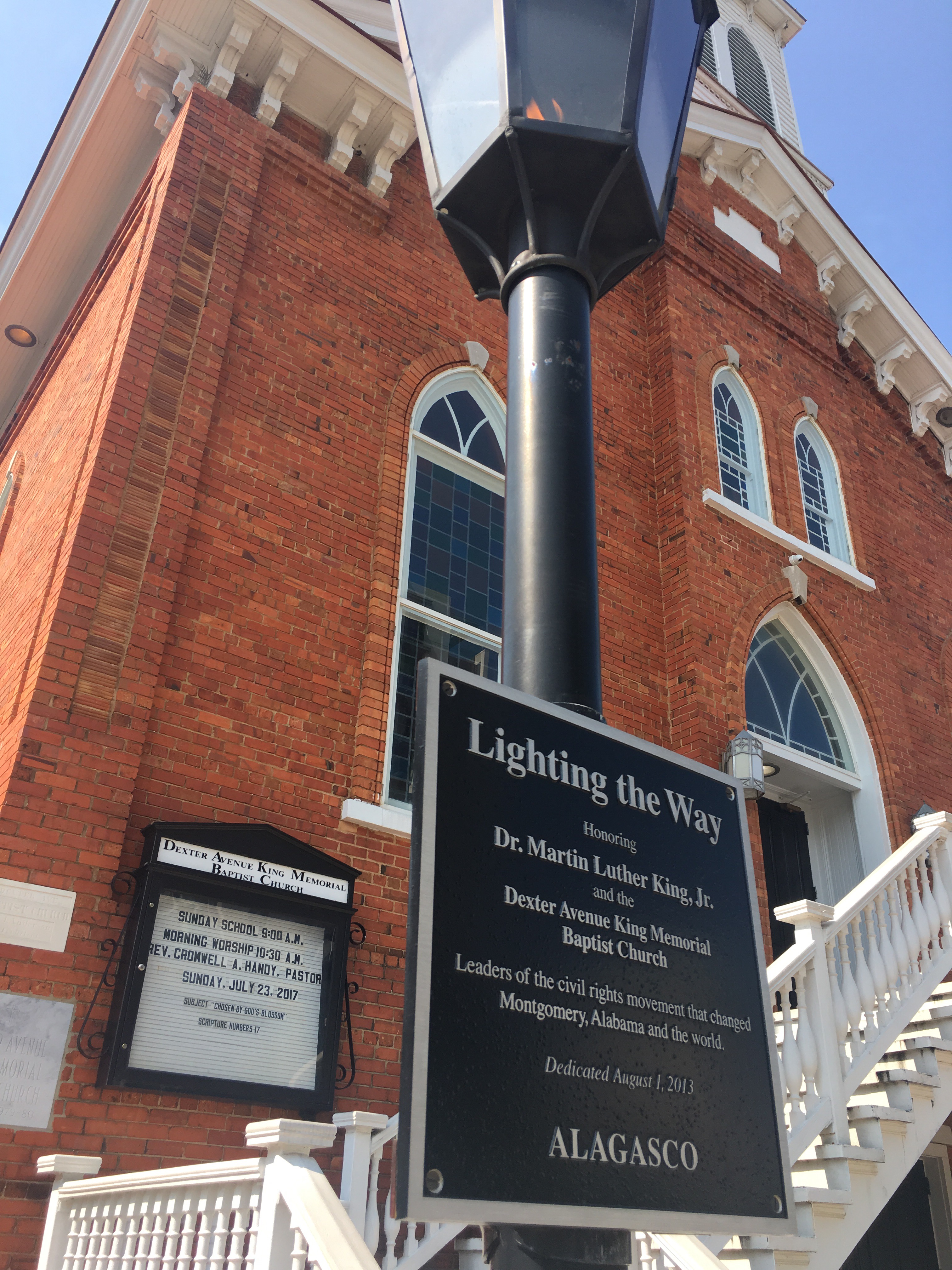
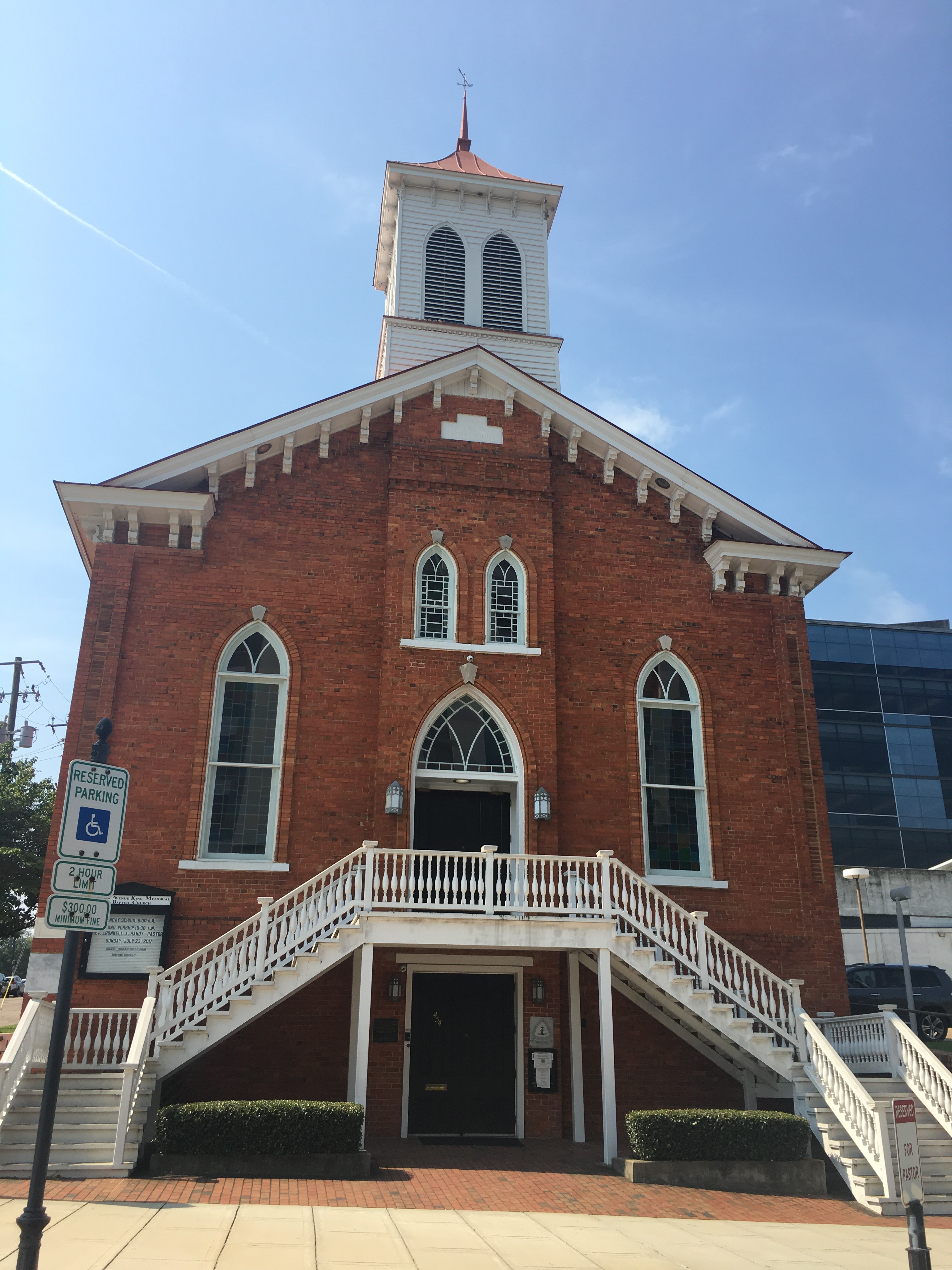
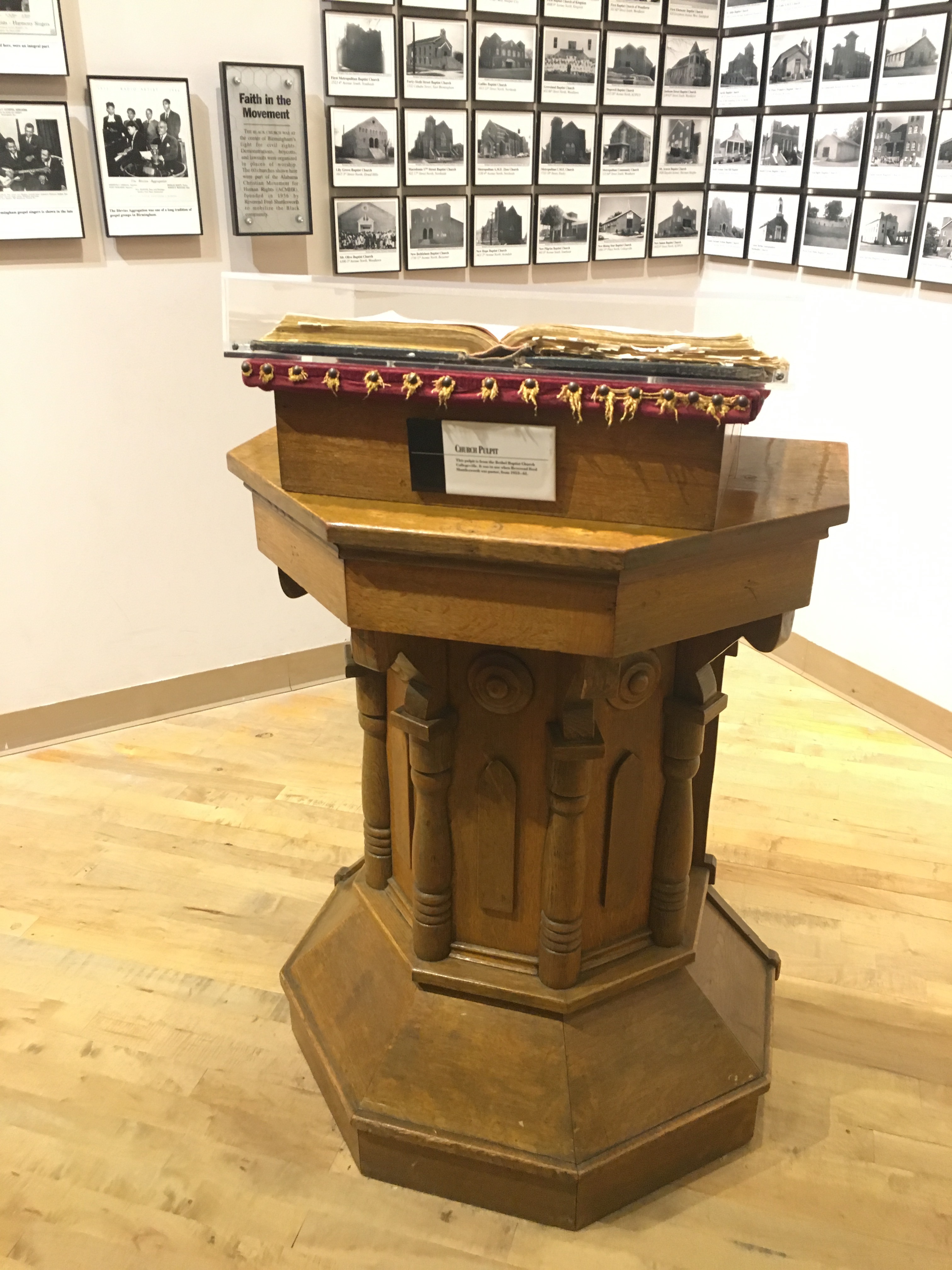
We went inside and were greeted warmly by a church member that would be our tour guide. There was a family already there and she said we could join then since we were waiting for a church group of about 20 from Memphis, TN before she started. She took us upstairs and we were able to admire the pulpit before going downstairs to join the group.
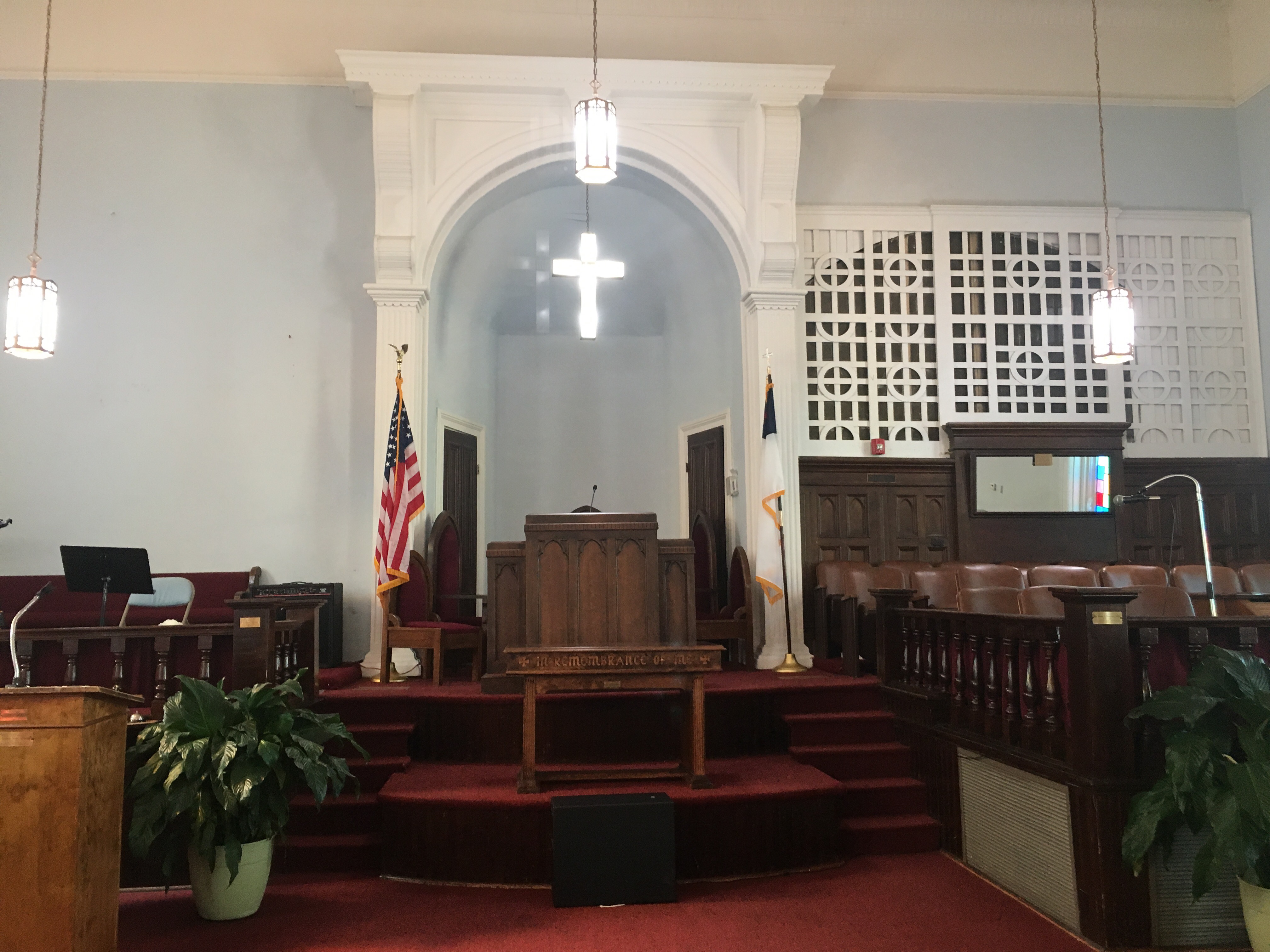
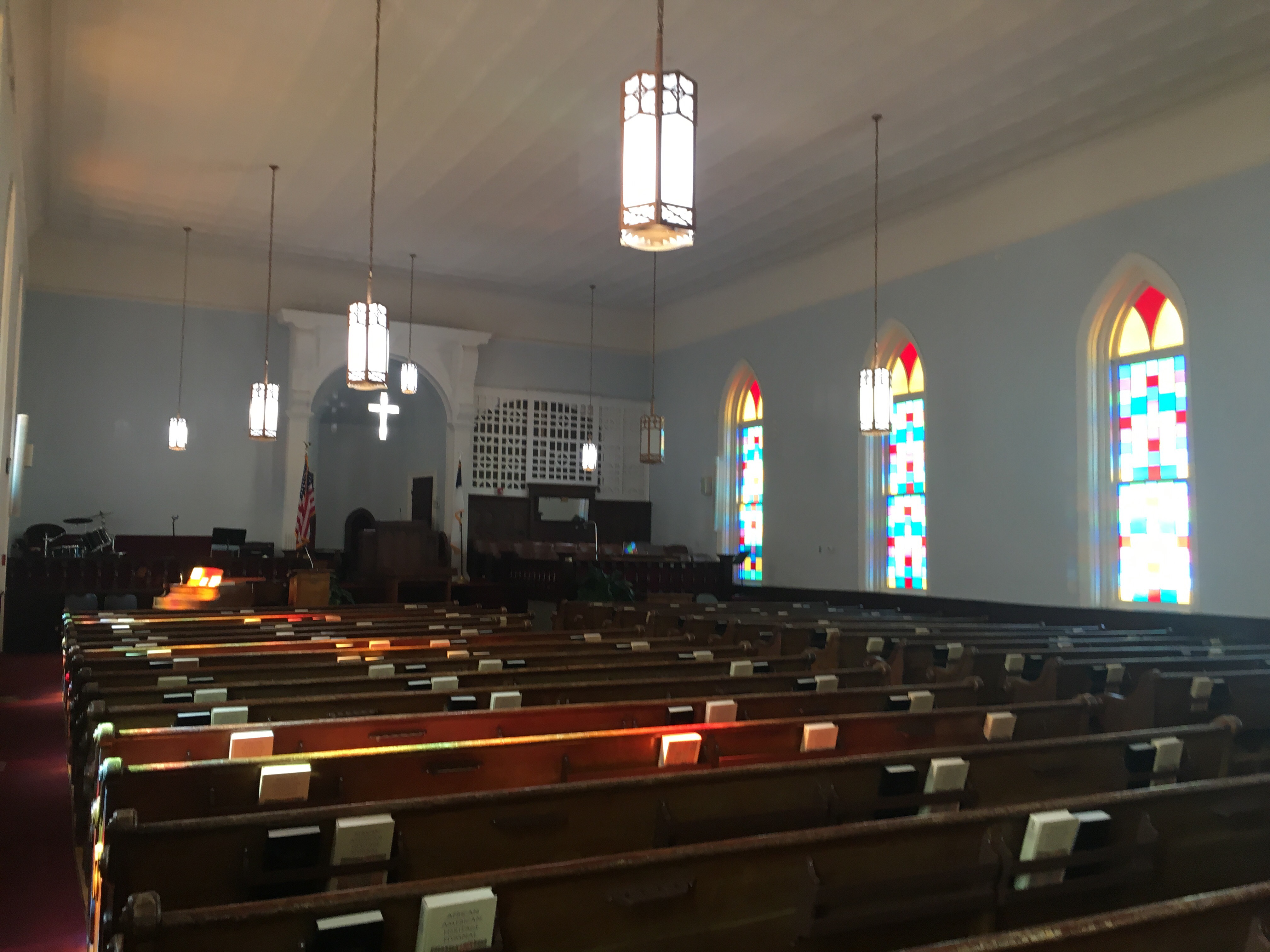
There was a great video made for the church that she showed up that talked about the entire history of the church. After wards she got us all interacting. She called 7 volunteers up to read Dr. Martin Luther King, Jr. themed questions. Being the eager student I am, I answered the first questions correct and got a free pencil!!
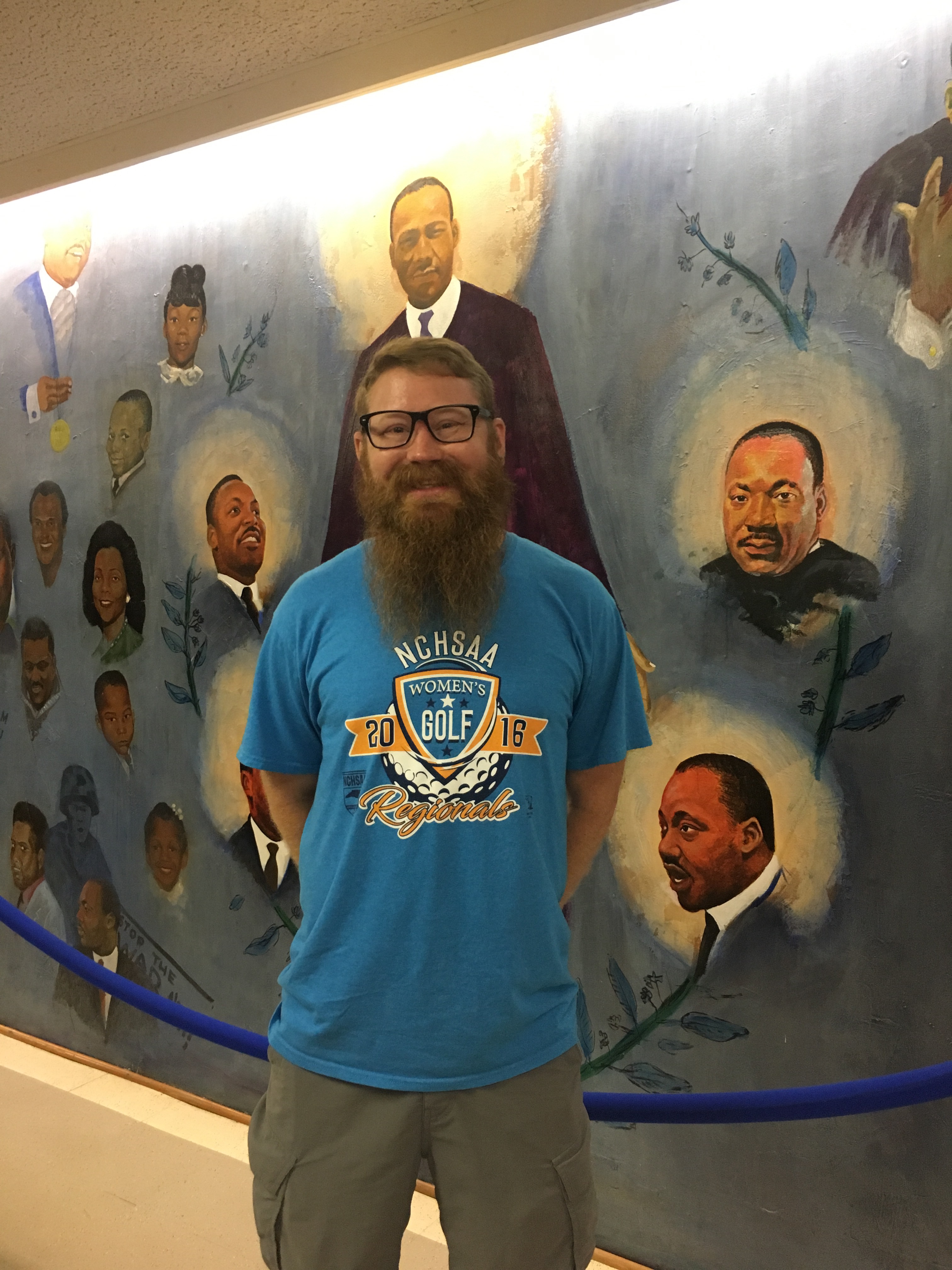
After the question and answer round she then asked for 2 people from each row. She lined the dozen or so of us up front and informed us we were in the choir! We would be singing “This little light of mine”. Not a single person was silent and not a single one of us wasn’t clapping and dancing. For 10 o’clock in the morning on a Wednesday she really got us excited to be alive! Afterwards she walked us through the mural that a local artist had painted for them and insisted we get pictures. If you ever get to Montgomery, AL and if you only do one thing, make it the tour of Dexter Avenue King Memorial Baptist Church. Amazing.
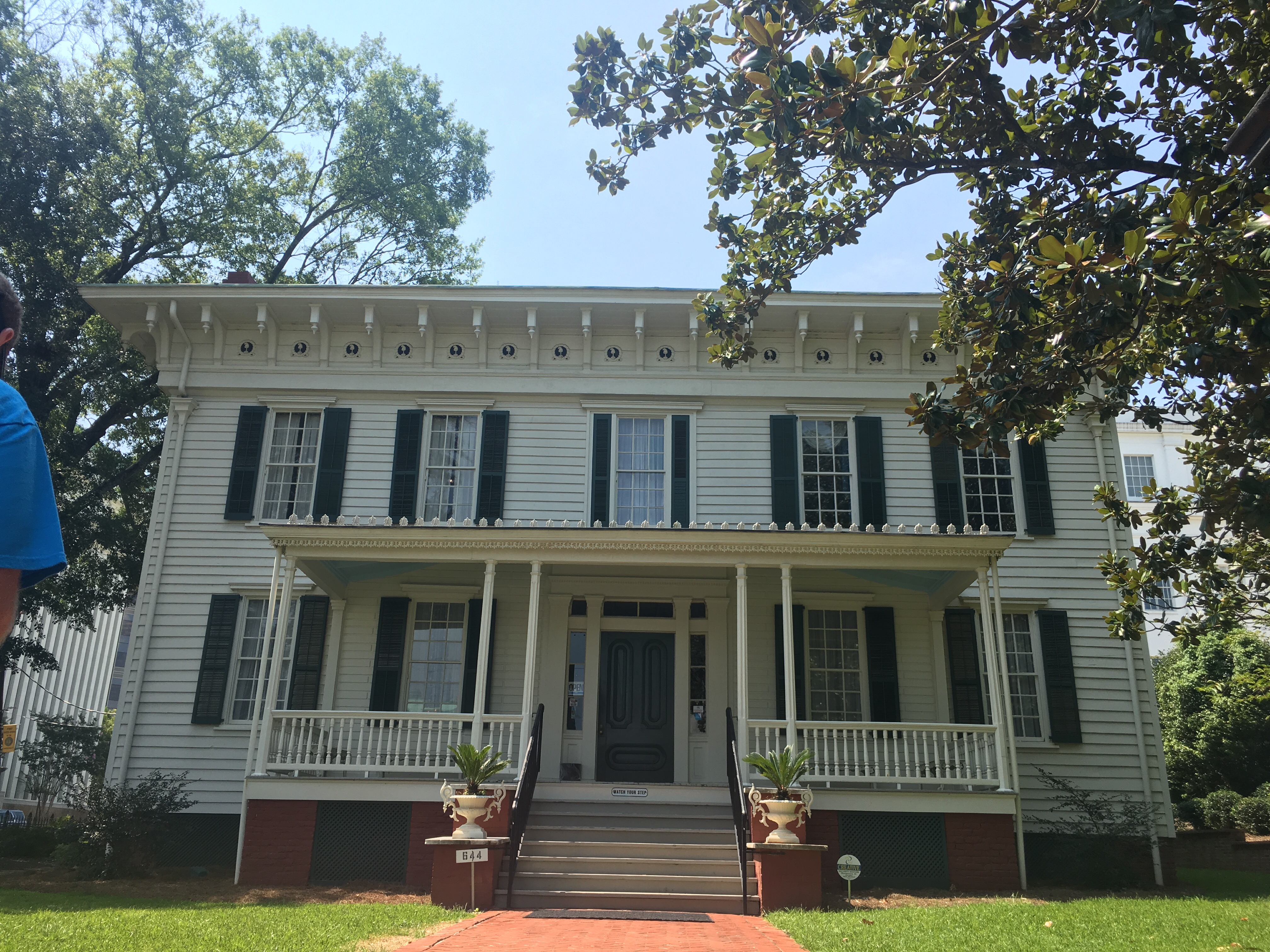
Montgomery, and Alabama itself, is the ultimate example of the juxtaposition of history. While home to so many important civil rights locations, leaders, and movements, it is also home to some of the most fiercely segregated cities and the first white house of the Confederacy. Blocks away from the church is the location were Jefferson Davis was sworn in as president and across the street was the first white house (until later moved to Richmond).
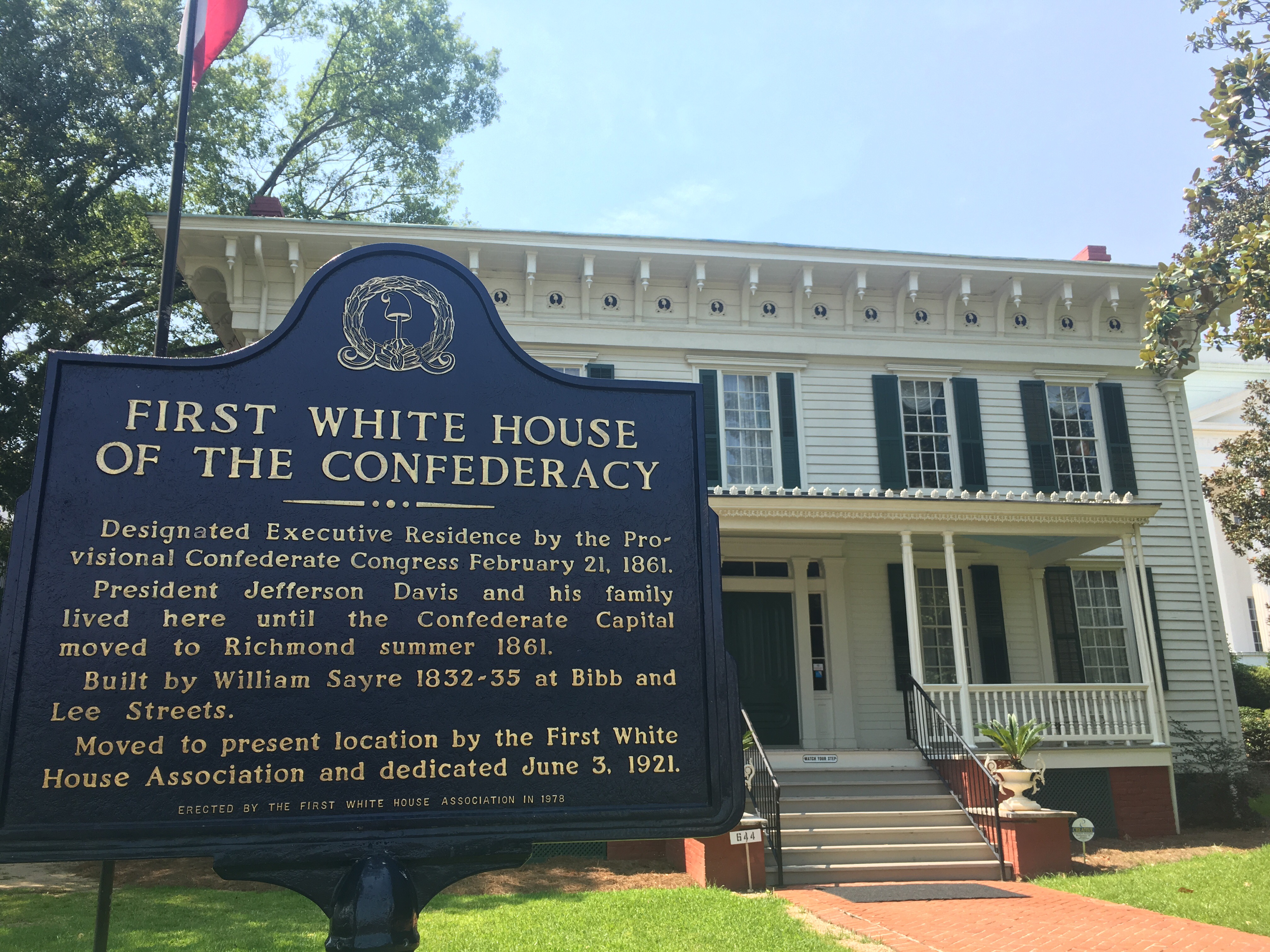
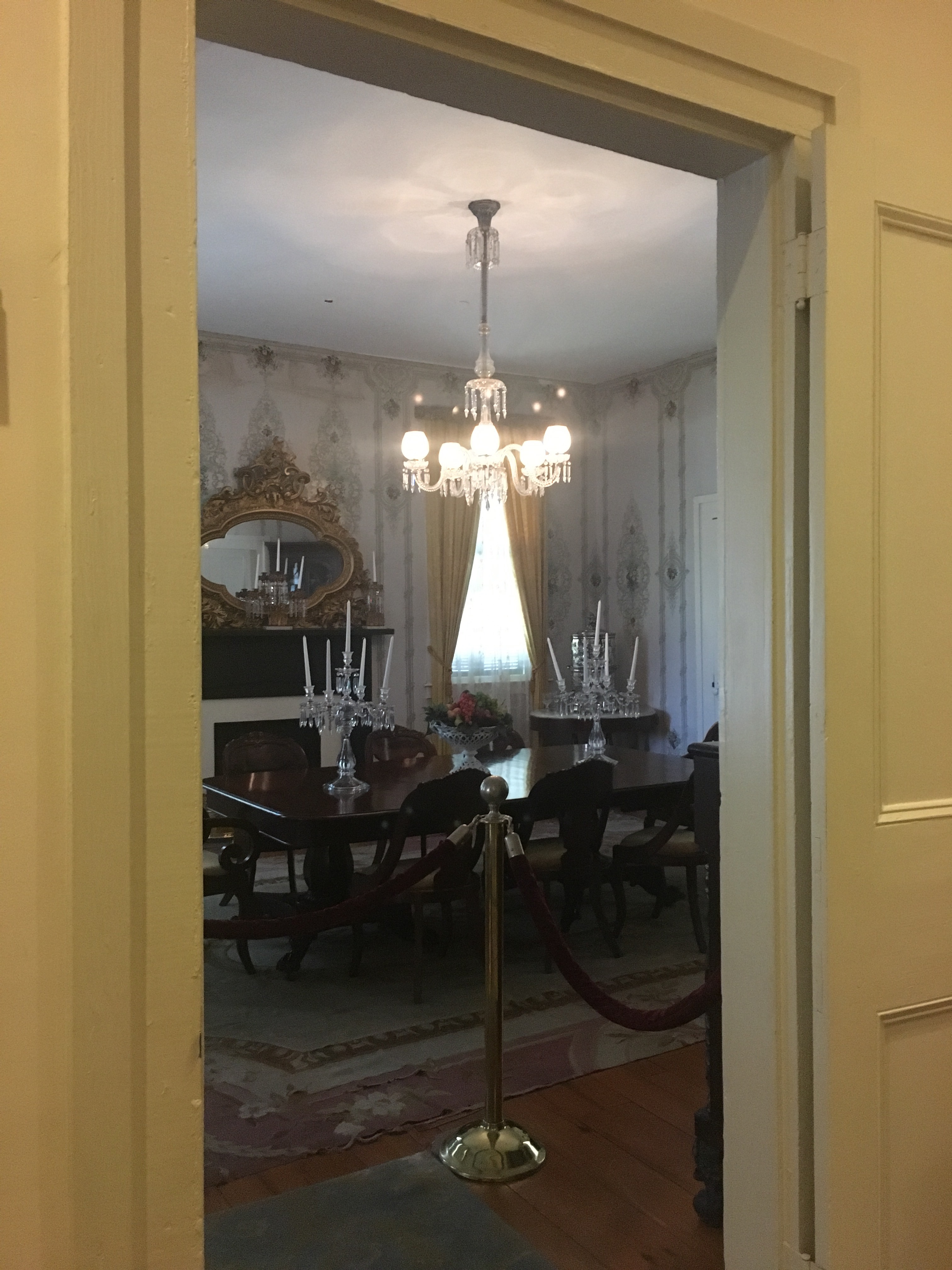
Tours of the First White House of the Confederacy are free and we were able to go inside as the only visitors at that moment. A relatively modest house it was decorated with some authentic pieces, with a small collection of artifacts upstairs. We might of spent about 15-20 minutes there total. It makes you think about interconnectedness of the Civil Rights Movement and the Civil War.
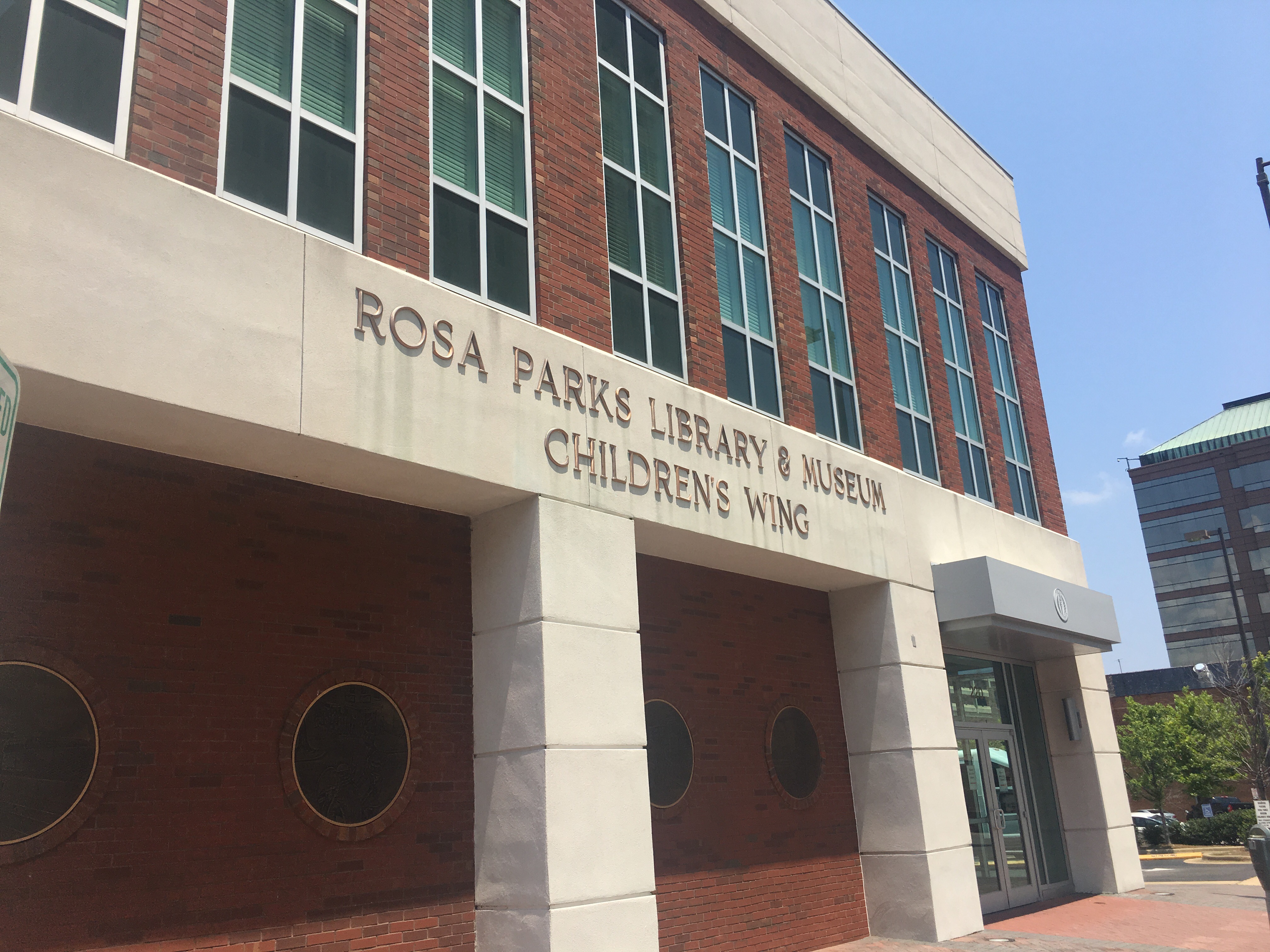
Our last stop in Montgomery was the Rosa Parks Museum. There were no pictures inside of the exhibits but the immersion into the bus boycott it provided was really outstanding. They had her police booking and fingerprints from when we was arrested, as well as additional information about the rest of her life.
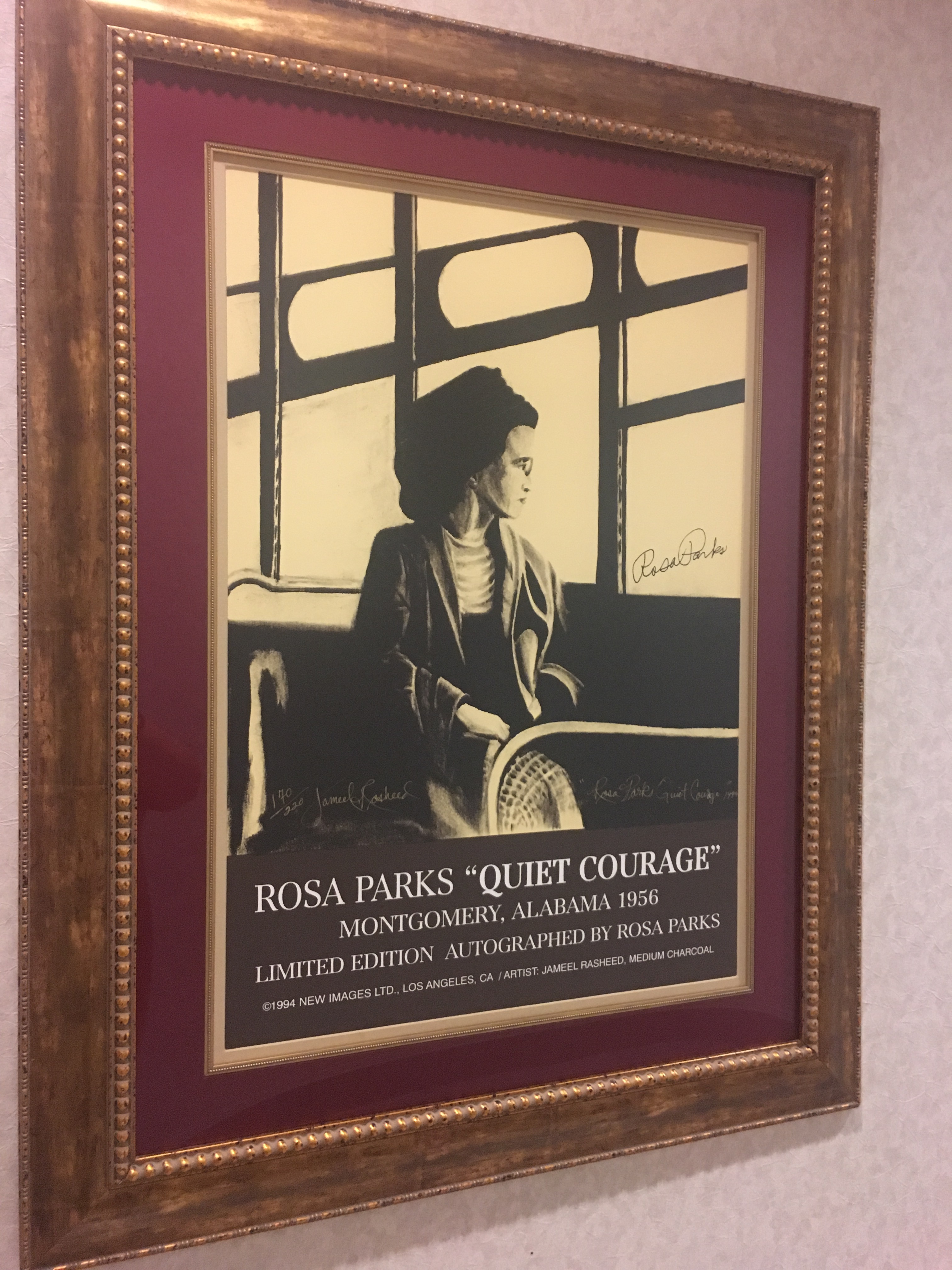
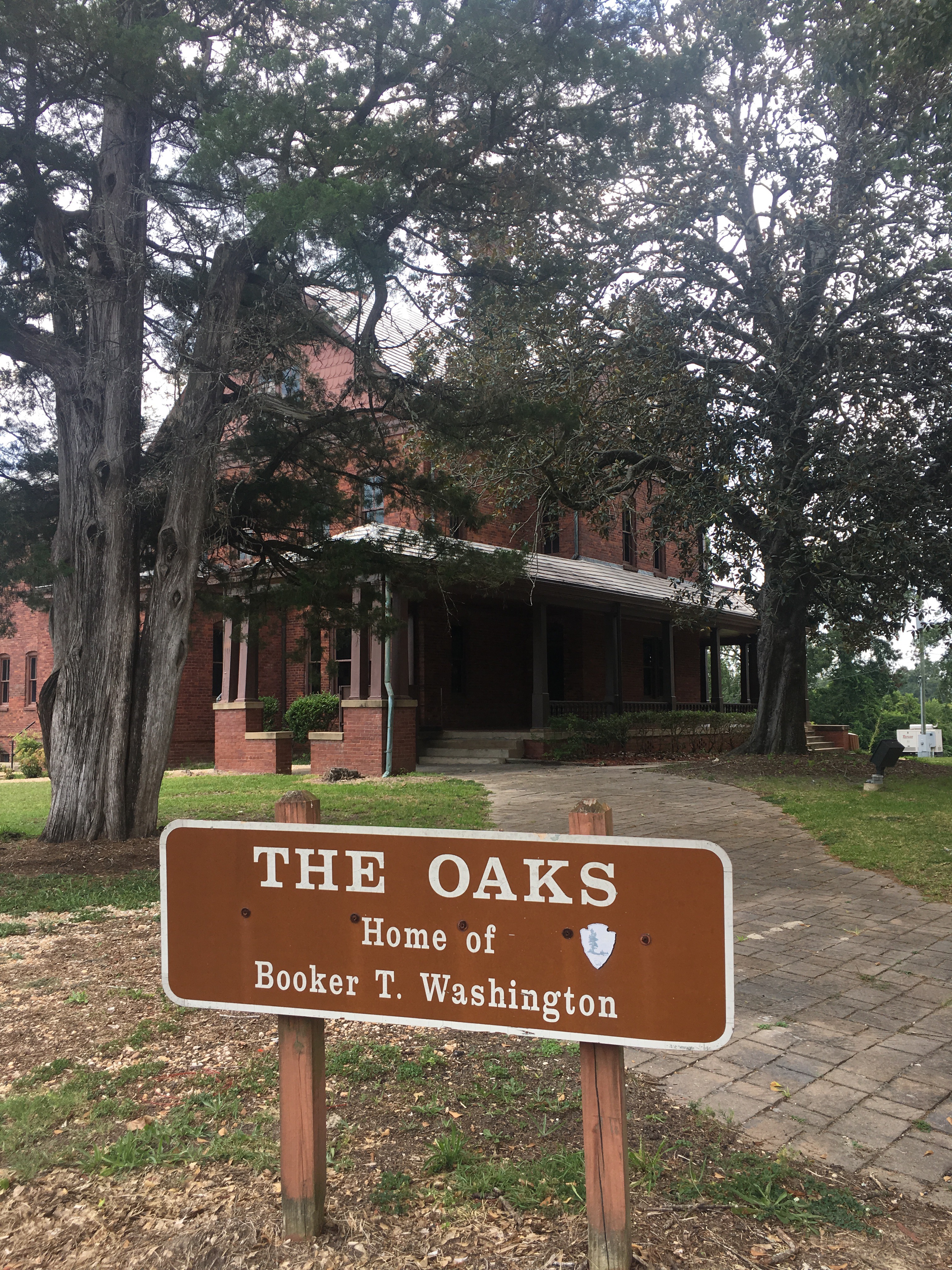
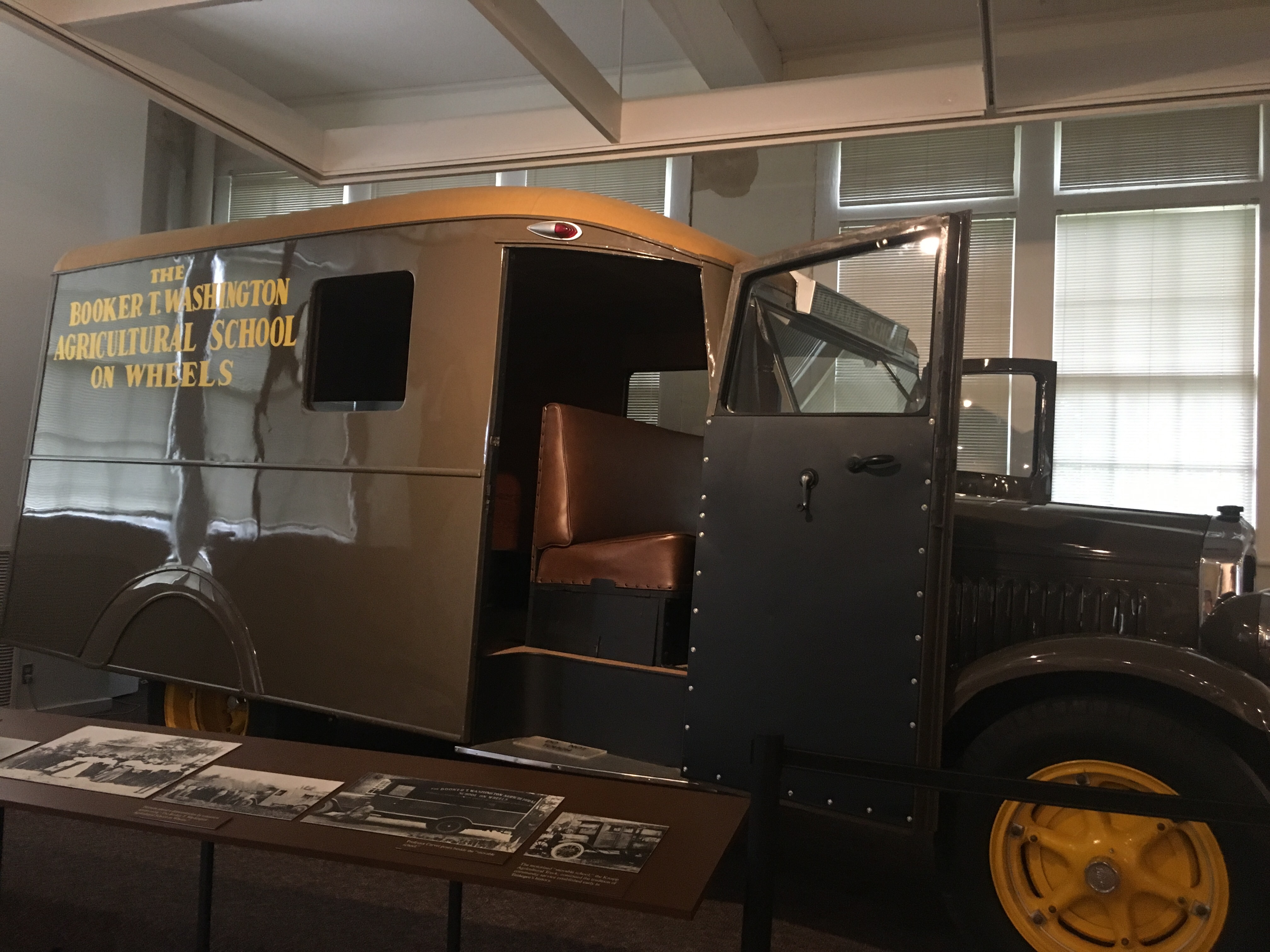
Leaving Montgomery and headed still further east across Alabama we made it to Tuskegee. Our first stop was at the National Historic Sites at Tuskegee Institute, now located on the campus of Tuskegee University. The Oaks was home to Booker T. Washington and was built entirely by his students. We had just missed the tour but we were able to walk across campus to the Caver Museum.
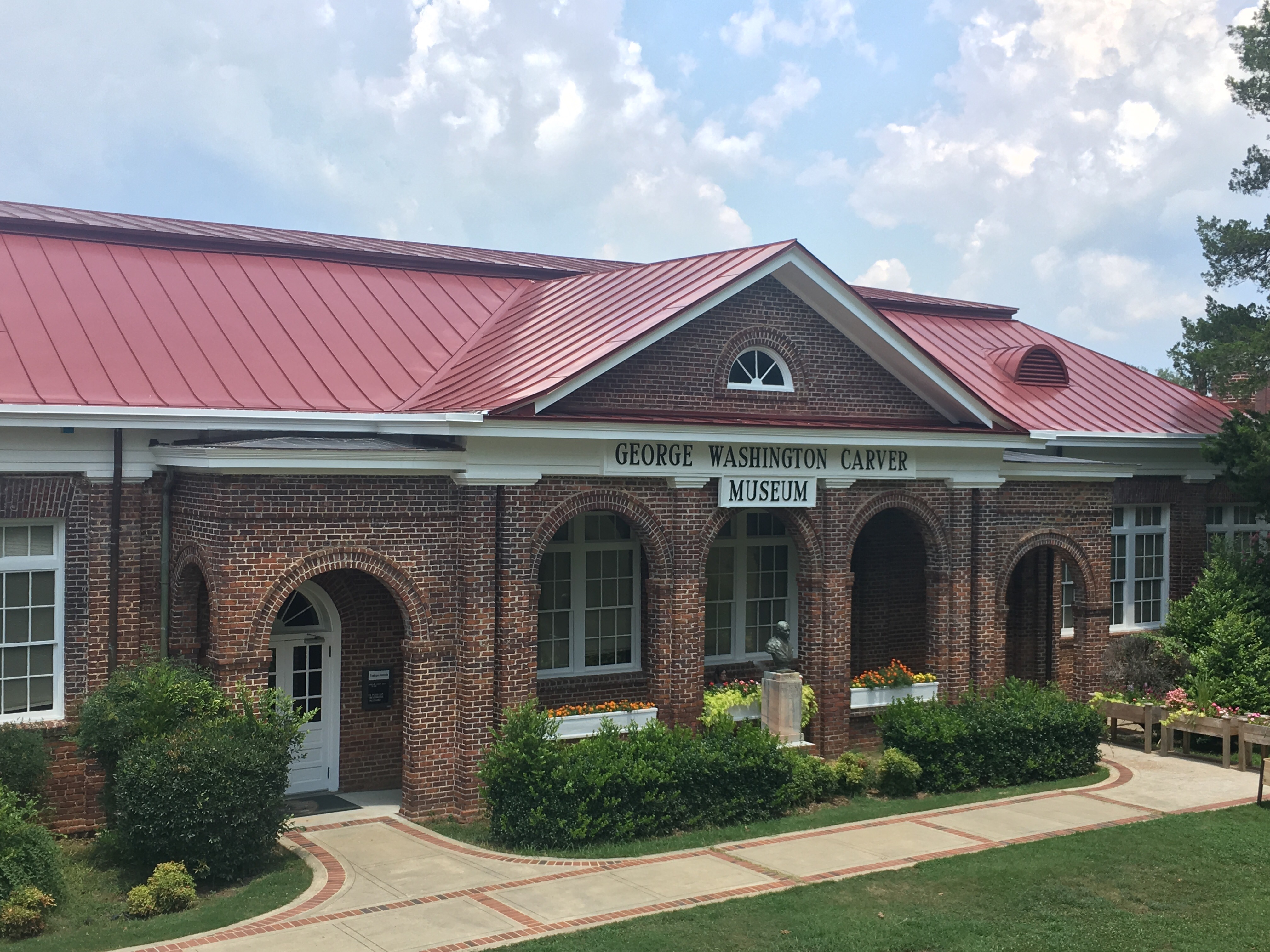
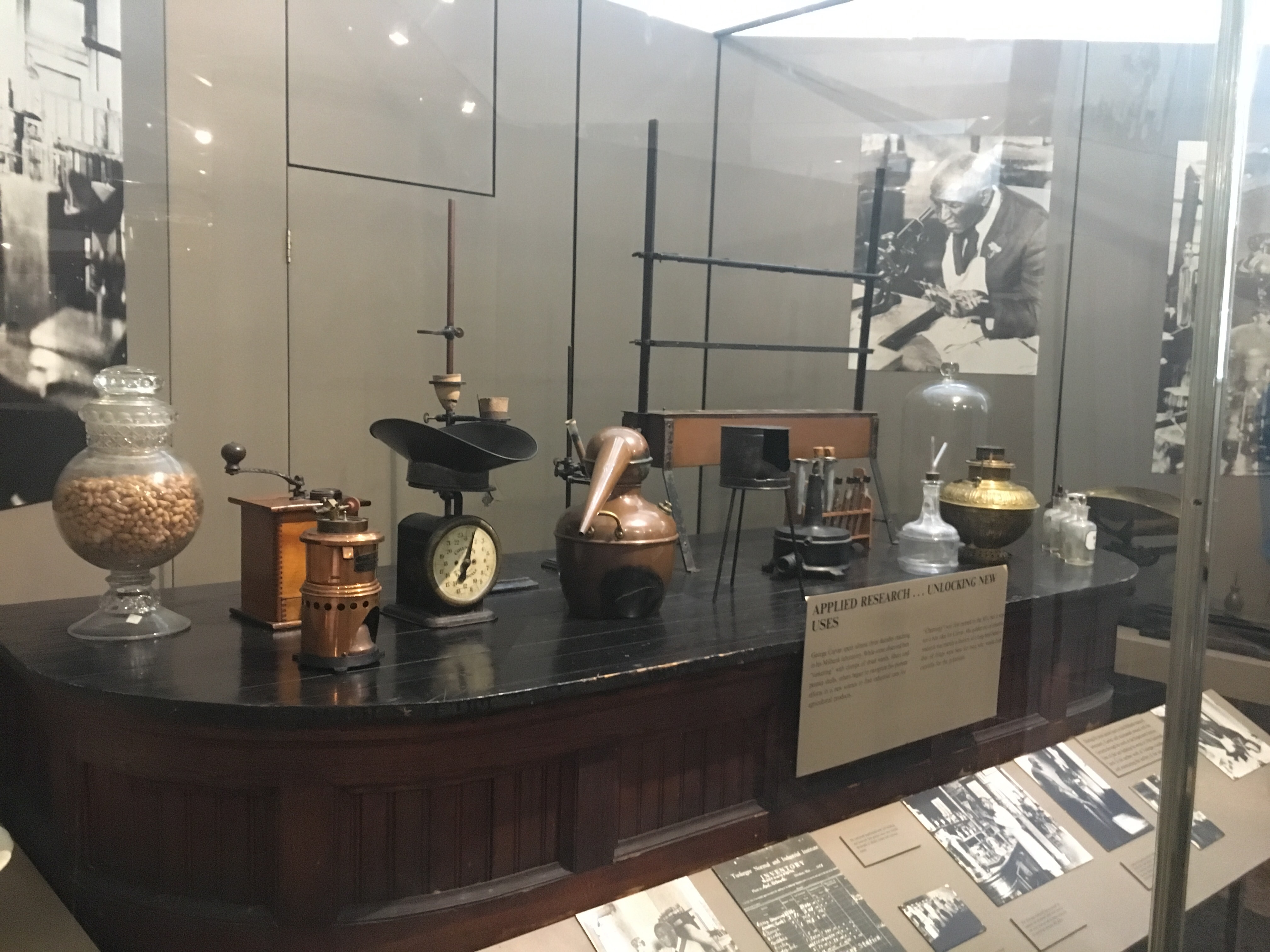
The George Washington Carver Museum focused on Carver’s life, and yes all of his discoveries with the peanut and his time spent teaching and researching at Tuskegee. However it really went into detail on the rest of his career and the impact it had on future generations.
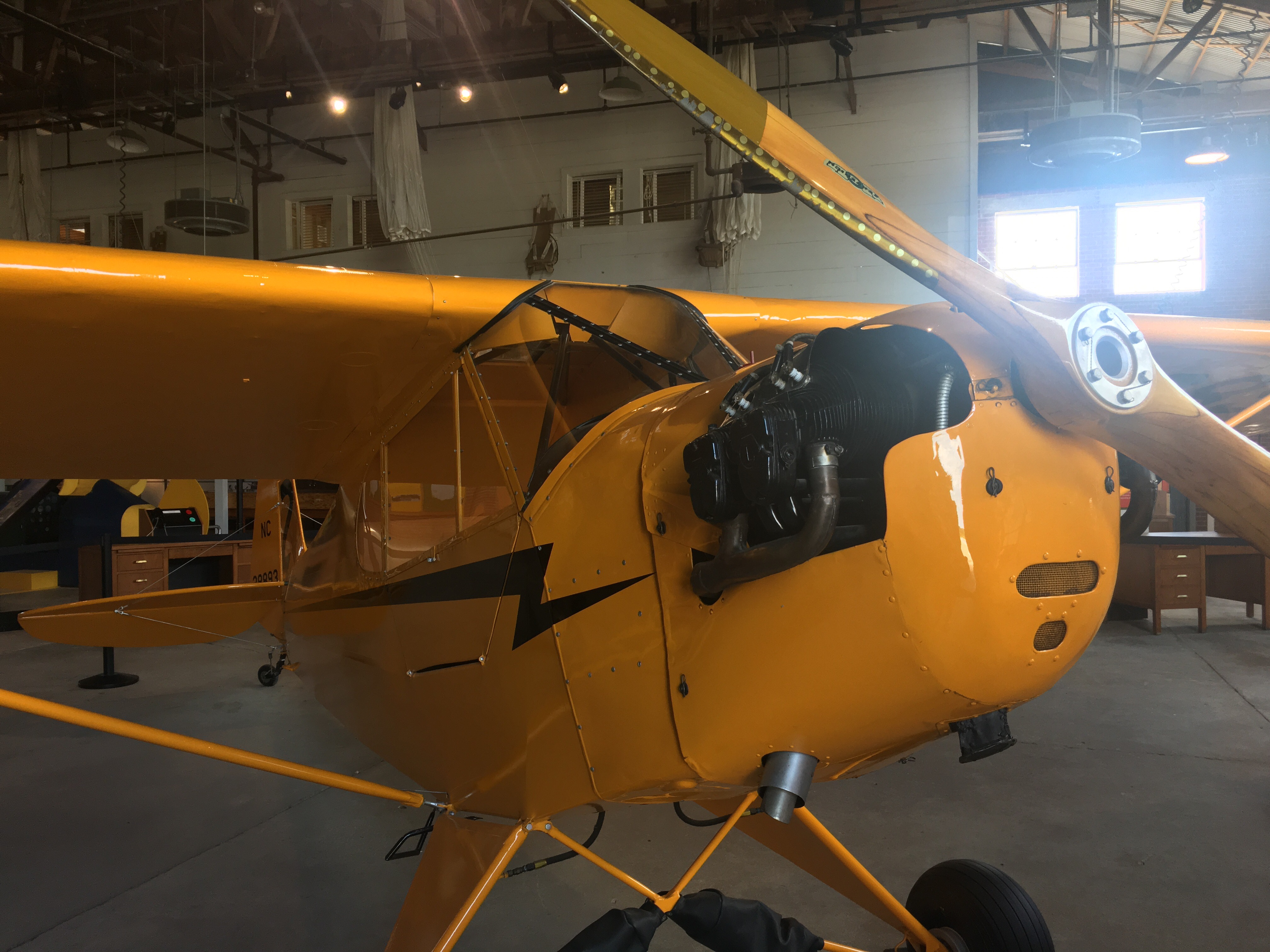
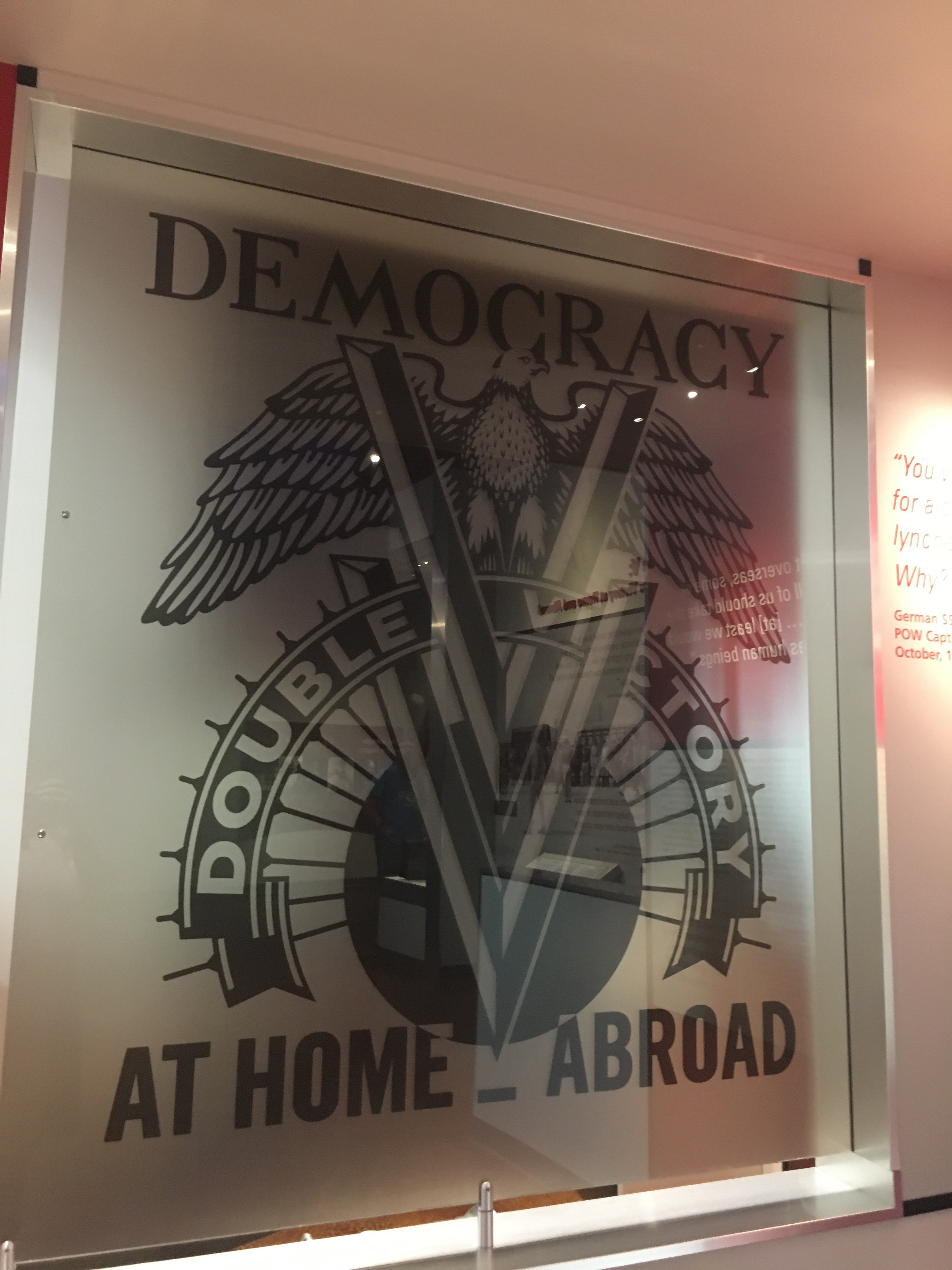
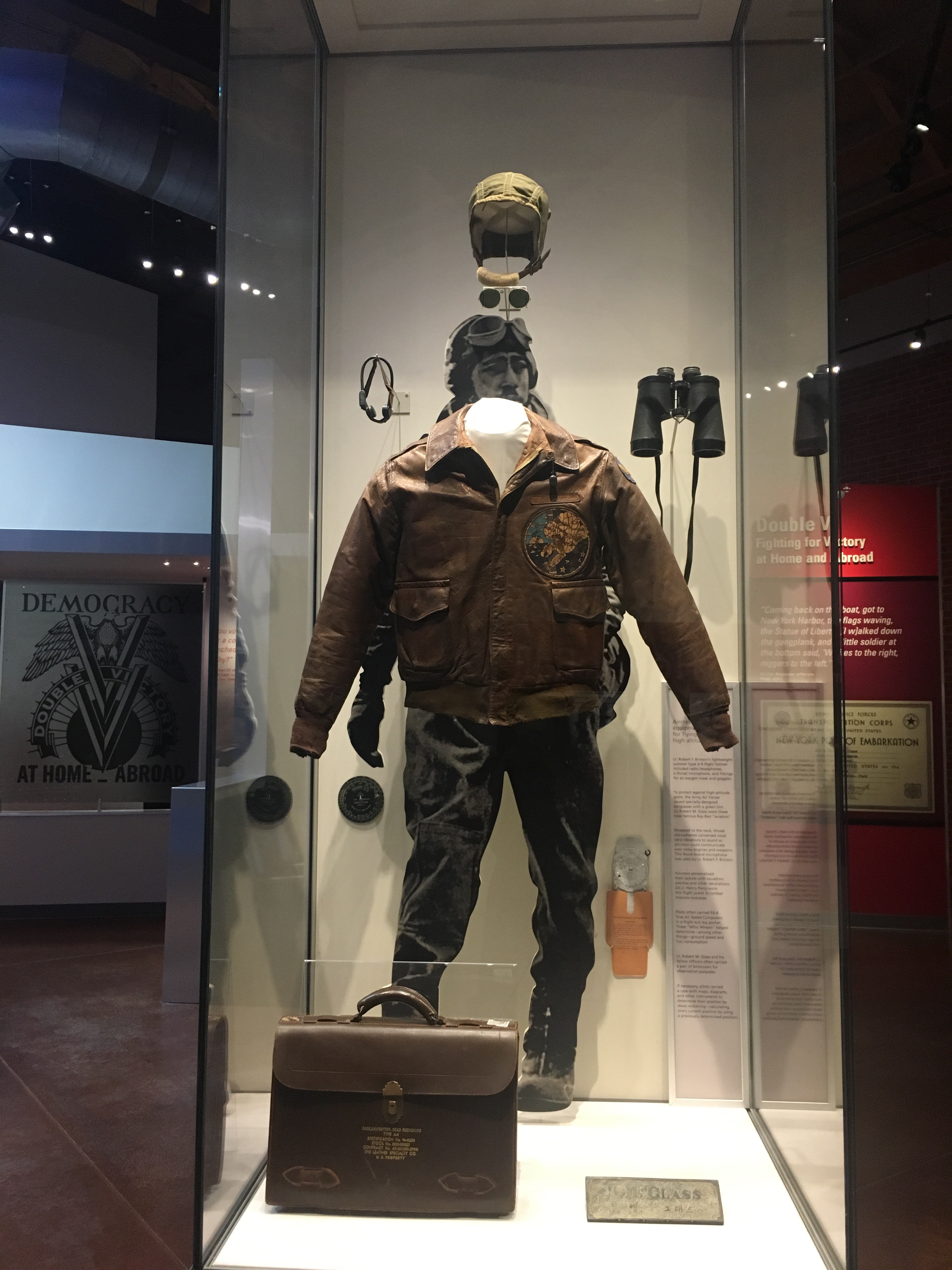
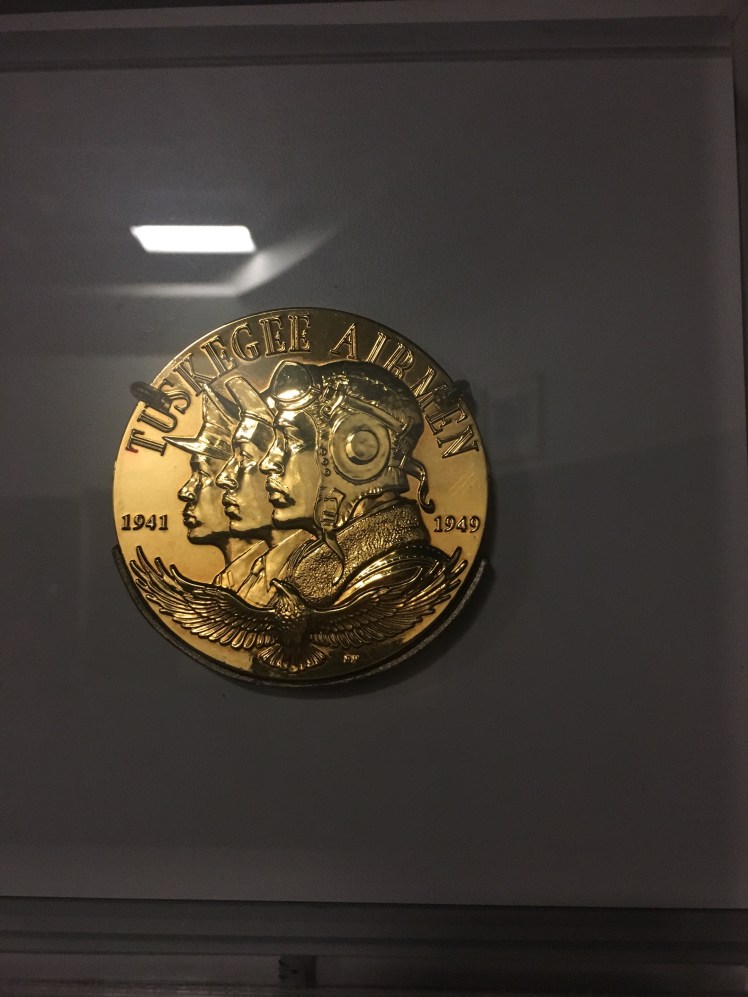
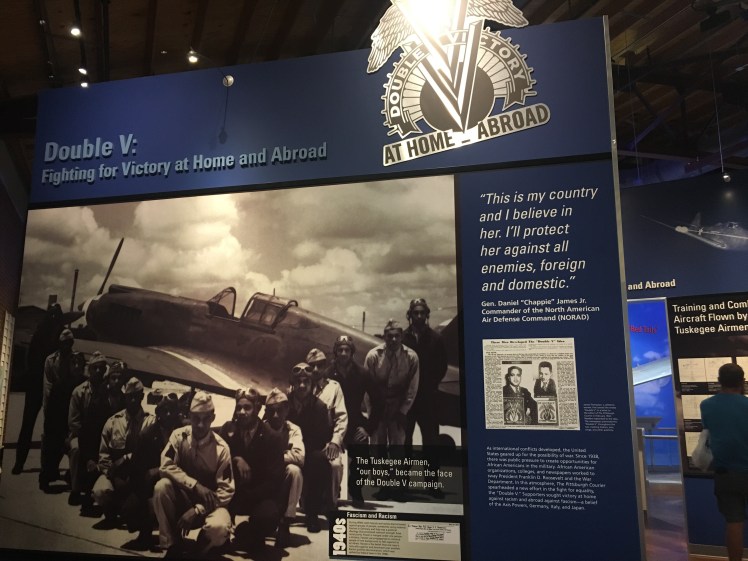
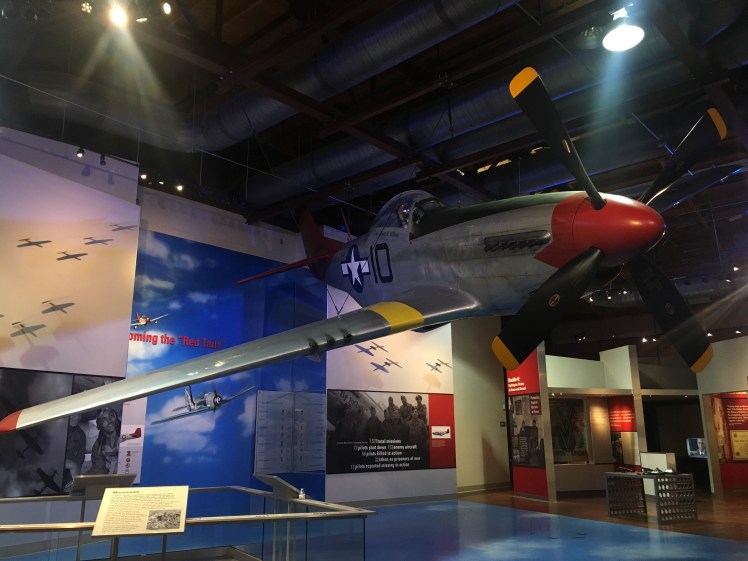
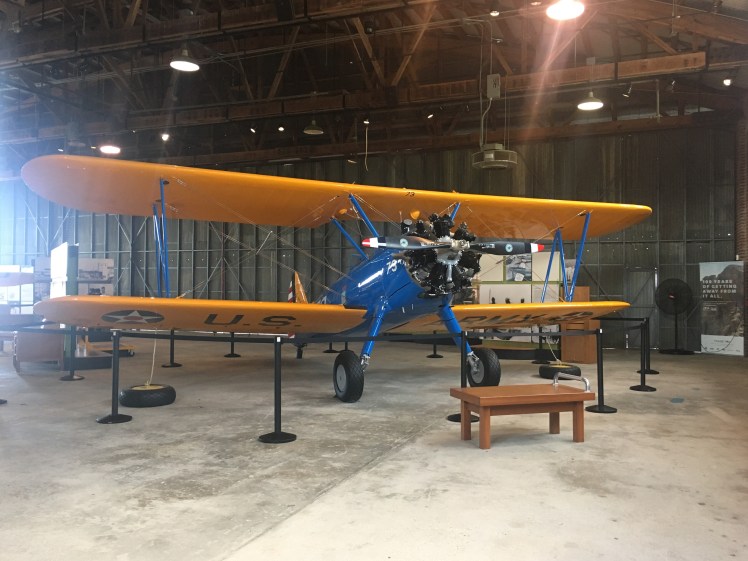
Across town at the Moton Municipal Field is the Tuskegee Airmen National Historical Site and our last stop in Alabama. There are two hangers that you can tour with original and reproductions of planes and the famous red tails that they flew. A large focus was the “Double V” campaign, fighting for freedom at home and abroad. It provided different opinions and reactions and really did a great job of showing the training and deployment of the Airmen and other black troops during WW2.
While there was still so much more to do, we tried to do as many things as we could pack into two days. We picked up this brochure at Alabama rest stop we visited as soon as we got there and we got to almost every place in there. It was a great guide and I’ll be keeping ahold of it if anyone wants to borrow it!
Our time there gave us a lot to reflect on. There was so much civil rights history in such a volatile place and time with deep roots of racial segregation. We left feeling that there is always Hope. No matter what, and no matter where, enough people can make a difference and be on the right side of history, even if the fight isn’t over yet!
Thanks for reading and congratulations you made to the end of this post!! Please reward yourself with a treat : )
 Dietz Summer Road Trip
I’m treating myself by saving and reading your blog over and over again. Well done. Love you.
LikeLike